Climate change strips island’s title of largest penguin colony
A study found that the volcanic island of Zavodovski, near Antarctica, lost more than 680,000 chinstrap penguins between 2011 and 2025.
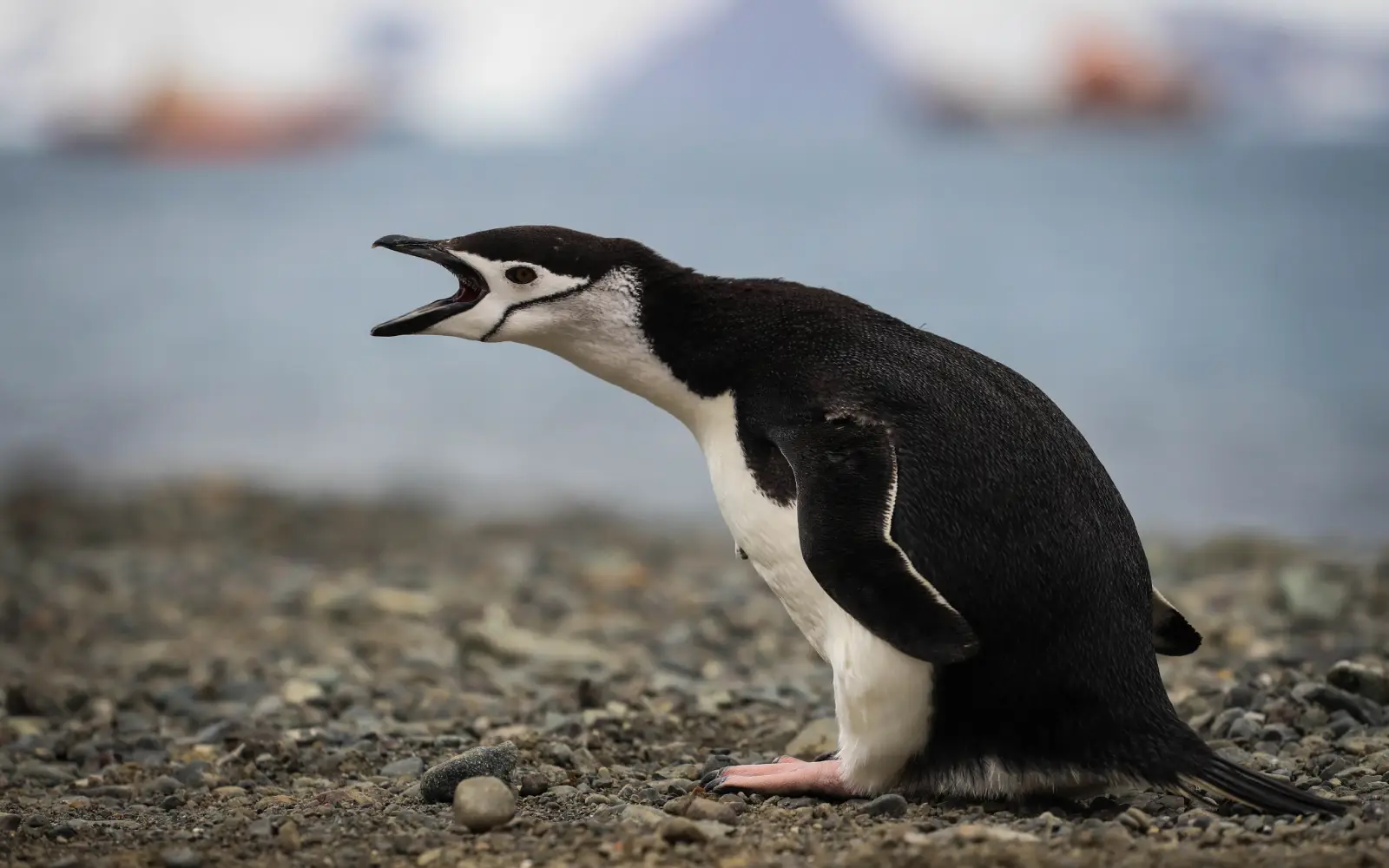
A new study reveals that climate change has caused the loss of over two-thirds of the world's largest penguin colony on a remote volcanic island near Antarctica. The British Antarctic Survey found that Zavodovski Island's chinstrap penguin population plummeted from around 1.09 million breeding individuals in 2011 to 402,000 in 2025, an alarming 63% decline.
The researchers linked the population decline to a reduction in krill, the primary food source for chinstrap penguins. Warming ocean temperatures have pushed krill south to colder waters, making them unavailable to chinstraps. Macaroni penguins, however, have thrived, with their population increasing from around 338,000 in 2011 to 433,000 in 2025.
The island's macaroni penguin population now surpasses that of chinstraps, making the Adelie penguins the largest penguin colony in the world. The study suggests that the dramatic shift in penguin populations on Zavodovski Island is due to a climate-induced regime shift, detrimental to chinstrap penguins but beneficial for macaroni penguins.
Written by urgent.news from Free Malaysia Today's reporting — not their text. Machine-written — may contain errors; check the original before relying on it.
This story
This is one outlet's version. Read the fullest account.
- Climate change strips island’s title of largest penguin colony freemalaysiatoday.com