China’s open-weight AI models are winning global users. Who is capturing the value?
China’s open-weight artificial intelligence models are taking off globally, but much of the money they generate is flowing to third-party providers rather than the companies that create them, according to a new study. Developers including DeepSeek and Moonshot AI make their model weights – essentially the “brains” of their AI systems – freely available for download. This strategy, which has…
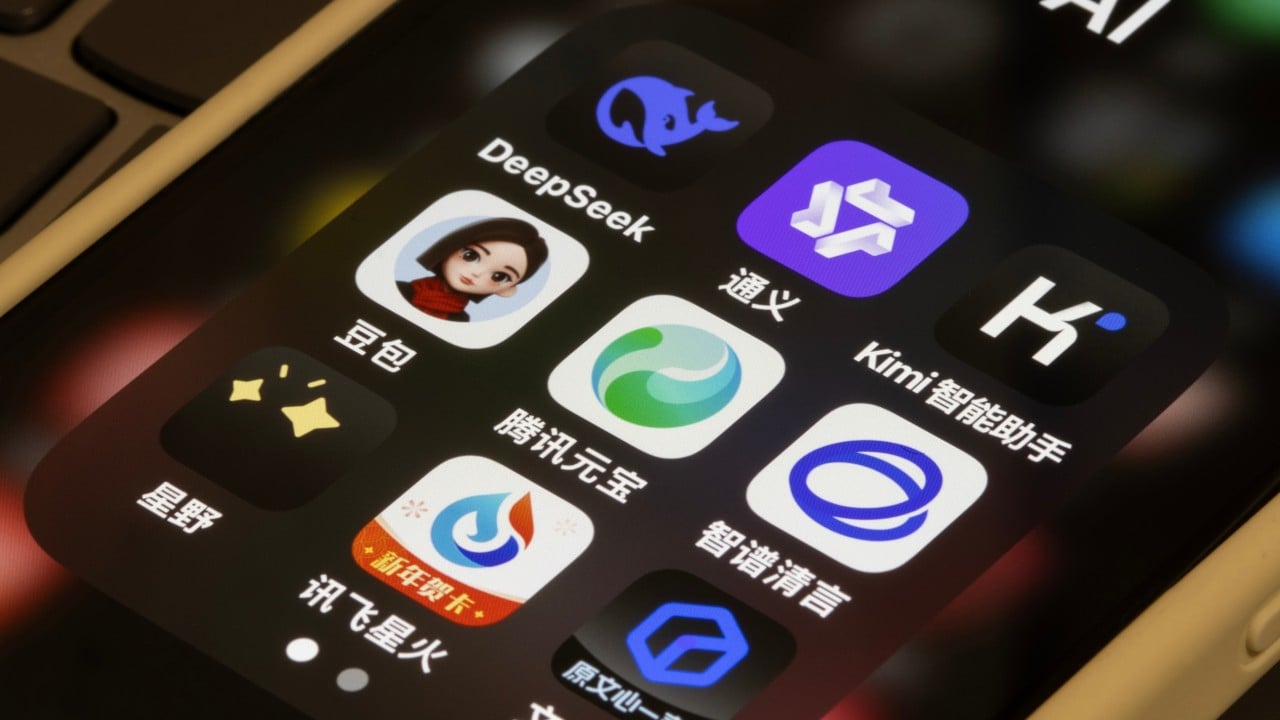
China's open-weight AI models have gained global traction, yet most of the income they generate goes to third-party providers rather than the original creators, according to a recent analysis. Open-weight models enable developers like DeepSeek and Moonshot AI to share their model weights, or "brains," freely, allowing others to run and customize them on their own servers.
This approach has spurred rapid uptake, but it has also fueled fierce competition as rival platforms host these models and offer them at lower costs. In contrast, U.S. companies like OpenAI and Anthropic safeguard their models, controlling access and pricing. DeepSeek, based in Hangzhou, only secured around 8% of the estimated customer spending on its models via third-party aggregator OpenRouter, according to a report from U.S. research institute Epoch AI.
Z.ai, also based in Beijing, encountered a similar predicament. Following the release of its GLM-5.3 Flash model weights in August, 12 third-party providers began offering access via OpenRouter within a day, and by 20 days later, the number grew to 26, with eight charging less than Z.ai. During this period, Z.ai's share of GLM-5.3 Flash tokens served through OpenRouter plummeted from 88% to just 22%, and its daily token volume dropped by 70%, even as overall usage rose by 17%.
This suggests Chinese developers struggle to monetize direct access to their models. Z.ai reported a gross margin of 24.6% for its API platform in the first half of the year, up from 18.9% in 2025. The platform enables customers to integrate Z.ai's AI models into their own applications. In comparison, U.S. rival Anthropic achieved an 85% gross margin by exclusively offering its closed-weight Opus 4.8 model through its own API.
DeepSeek stood out among open-weight developers with estimated gross margins of 70-80% due to low inference costs, but third-party hosts still captured most of the end-user demand for its models. U.S. firms have capitalized on this by offering lucrative subscription plans for their closed models. Anthropic, for instance, aggressively monetized its users, with 7.3% of Claude's paying subscribers on its most expensive individual plan starting at $100 a month, a report from venture capital firm Andreessen Horowitz stated.
The revenue gap between Chinese and U.S. AI developers remains substantial. As of September, Chinese six leading AI developers – ByteDance, Alibaba Group Holding, Z.ai, Moonshot AI, DeepSeek, and MiniMax – generated about 10% of the AI revenue compared to OpenAI and Anthropic combined, Epoch AI estimated. Chinese firms are exploring new licensing agreements and commercial partnerships to capture more revenue from third parties using their models.
In July, Beijing-based Moonshot AI released its Kimi K3 model under a license requiring major providers to enter revenue-sharing agreements, potentially granting up to 30% of revenue generated by Kimi K3-related services on major cloud platforms, including Amazon Web Services, Microsoft Azure, and Google Cloud, reported Reuters in August.
Z.ai is pursuing a similar strategy, with Amazon recently adding GLM-5.3 to its Bedrock platform, providing businesses access through Amazon's servers and reportedly including usage-based revenue sharing with Z.ai. Such arrangements may enable Chinese AI developers to benefit from open models' distribution advantages while retaining a larger portion of the revenue they generate, according to Epoch AI, though it is too early to determine the extent of revenue these agreements could produce.
Written by urgent.news from SCMP Tech's reporting — not their text. Machine-written — may contain errors; check the original before relying on it.