China’s missile lidar model; world’s most accurate atomic clock: 7 science highlights
We have put together stories from our coverage on science from the past two weeks to help you stay informed. If you would like to see more of our reporting, please consider subscribing. 1. Chinese researchers say missile lidar model can spot US F-35 at up to 61.5km A computer simulation developed by Chinese researchers suggests that a missile-borne system with the latest light detection and…
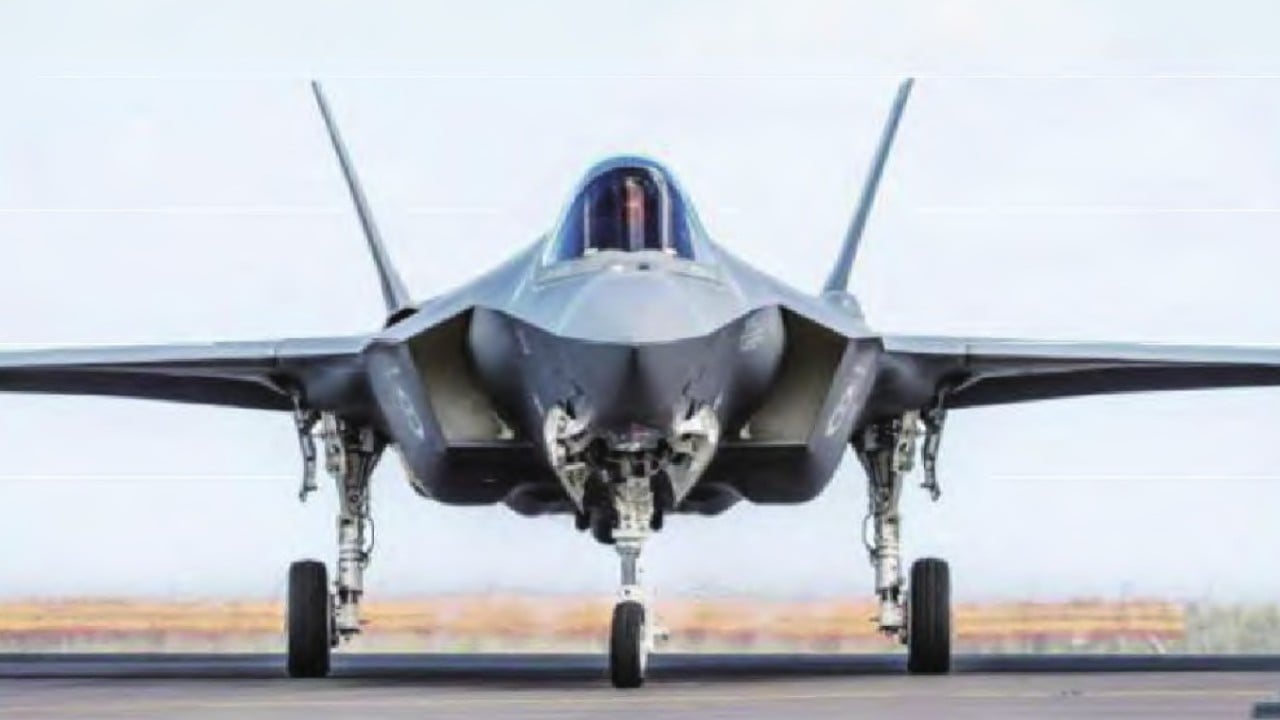
1. Researchers from China claim a missile-borne lidar system could detect an F-35 stealth fighter at up to 61.5km away. Their computer simulation suggests the high-tech tracking method could have a significant advantage in nighttime detection capabilities.
2. China has announced major changes to its higher education system, urging universities to develop specialized roles to meet evolving skills needs. The sweeping reform aims to respond to demographic shifts, a tightening job market, and industrial upgrading throughout the country.
3. A Chinese company has successfully achieved nuclear fusion using a clean hydrogen-boron fuel source. This marks a significant step forward in research into neutron-free magnetic confinement fusion, which could revolutionize energy production.
4. In a bid to become a global science powerhouse, China is offering 15-year research grants to the world's brightest young scientists. These generous grants provide free exploration opportunities for exceptional young minds.
5. Singapore has built the world's most accurate atomic clock, surpassing scientists in China and the United States. The small research team's achievement leaves its competitors in the dust, showcasing the country's cutting-edge advancements in precision timekeeping.
6. New claims suggest China's BeiDou satellite may have been refueled in orbit, potentially reshaping the space race. Chinese researchers have reportedly revealed a previously unknown satellite-to-satellite refueling operation, putting the country at the forefront of this emerging technology.
7. Online rumors have resurfaced the mystery of mercury found in the tomb of China's first emperor, Qin Shi Huang. The claims have reignited interest in ancient cinnabar sites in northwestern China's Shaanxi province, where archaeologists may finally uncover the source of the mysterious substance.
Written by urgent.news from Reuters Business via SCMP's reporting — not their text. Machine-written — may contain errors; check the original before relying on it.
This story
This is one outlet's version. Read the fullest account.