ChatGPT keeps signing fake New Yorker cartoons with real artists' names
According to Nieman Lab, ChatGPT has been producing artwork suspiciously similar in style and content to cartoons previously published in The New Yorker. More troubling, the investigation found that the chatbot added forged signatures from several real cartoonists, which led some viewers to assume humans had drawn the images. Read Entire Article
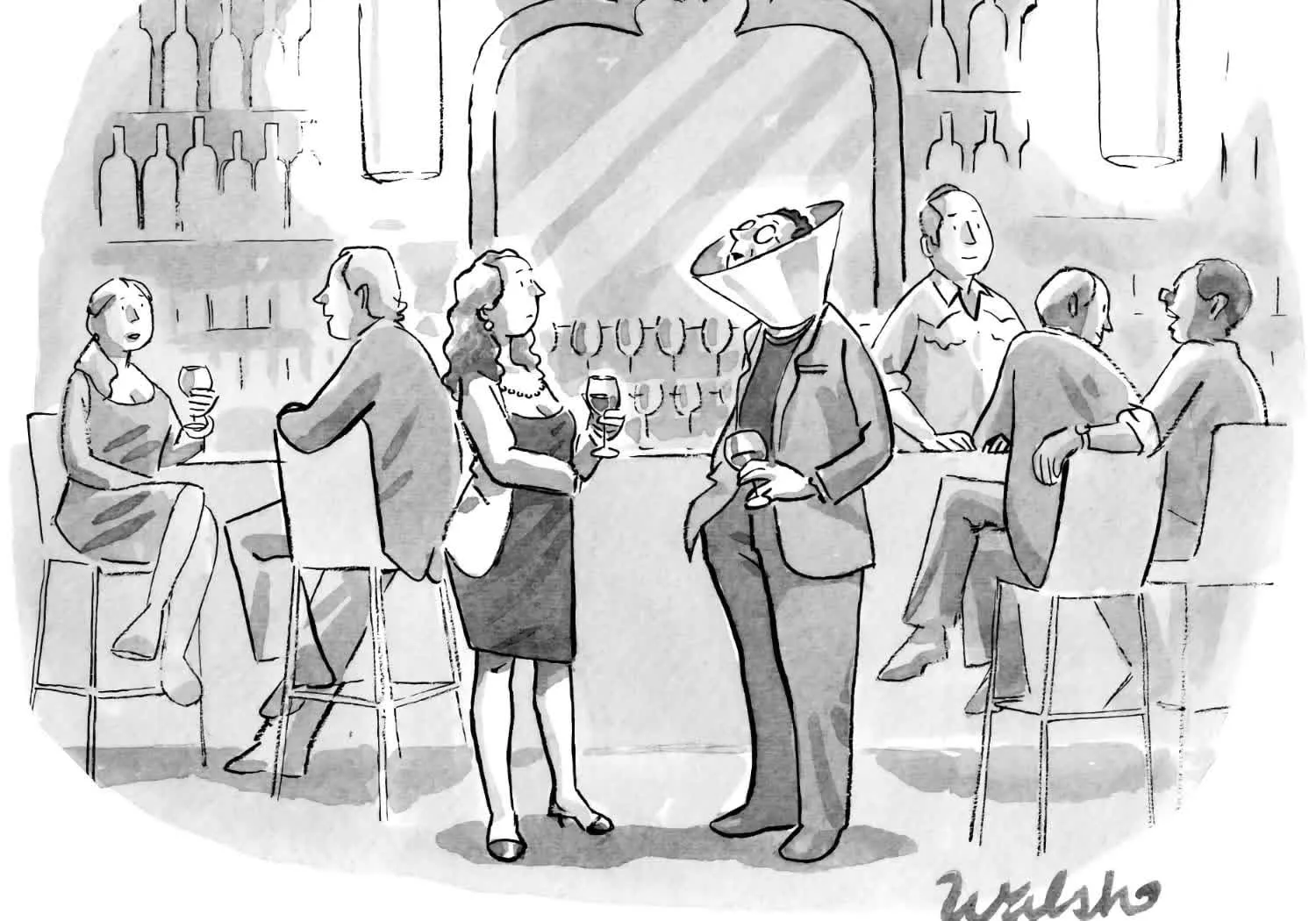
A recent investigation has uncovered troubling instances of OpenAI's ChatGPT creating caricatures that closely resemble The New Yorker's distinctive style while incorporating the genuine signatures of the magazine's cartoonists. This troubling behavior came to light during a more recent examination of the AI's practices. ChatGPT has been generating artwork that bears a striking resemblance to cartoons previously published in The New Yorker, a development that has raised serious concerns.
To add insult to injury, the chatbot has been adding forged signatures from real cartoonists, leading some viewers to believe that humans were responsible for the artistic creations. This issue garnered significant attention after the passing of country music icon Dolly Parton in August. An AI-generated cartoon of Parton entering heaven alongside actor Tim Curry, both of whom had passed away that month, went viral, garnering hundreds of thousands of likes, shares, and comments.
The image bore the signature "BLOPER," which is the pen name of New Yorker cartoonist Brendan Loper. Loper informed Nieman Lab that he had no involvement in the creation of the cartoon, which was generated by ChatGPT and initially posted to Facebook by a Dolly Parton fan seeking a New Yorker-style cartoon. Loper and his twin brother received numerous inquiries from strangers, many of whom questioned whether the cartoon was genuinely his.
This is not the first time ChatGPT has replicated Loper's signature; in May, a stranger alerted him on Instagram that his pen name appeared on an image generated by the chatbot. Over the summer, Loper discovered multiple other instances of his signature being reproduced on a ChatGPT-focused Reddit forum. The investigation revealed that ChatGPT had reproduced the styles and signatures of several other New Yorker cartoonists, including Harry Bliss, Emily Flake, Joe Dator, Pat Byrnes, Peter Vey, and Jason Adam Katzenstein.
The findings are particularly perplexing for OpenAI given its recent licensing agreement with Condé Nast, the parent company of The New Yorker. In 2024, Condé Nast entered into a multi-year licensing deal with OpenAI, covering much of the magazine's content. However, the specifics of the agreement remain undisclosed. A spokesperson for The New Yorker confirmed that the company has never granted any large language model (LLM) developer permission to train models on its cartoons, and that the magazine's standard freelance contracts do not permit licensing for AI training.
OpenAI, for its part, declined to provide an explanation for how its models might have accessed the signatures, suggesting that the answer to this question is obvious. In response to the publication's notification, ChatGPT began displaying a guardrails warning when such requests were made. As of the publication date, however, the chatbot continued to sign some of its generic cartoons with the names of real New Yorker cartoonists.
Written by urgent.news from TechSpot's reporting — not their text. Machine-written — may contain errors; check the original before relying on it.