Cedi was worst African currency in quarter 2, 2026 – World Bank
According to the World Bank, the escalation of the conflict in the Middle East initially exerted broad-based pressure on African currencies.
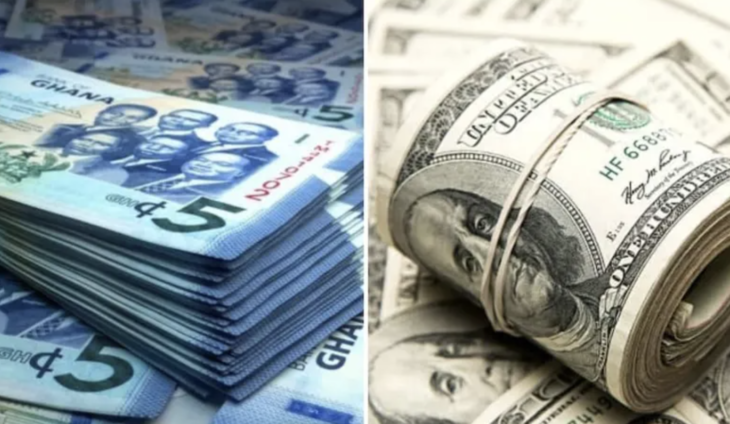
The Ghana cedi emerged as the weakest African currency in the second quarter of 2026, declining nearly 10% against the US dollar, according to the World Bank's October 2026 Africa Economic Update. Lesotho's loti, Namibia's dollar, South Africa's rand and Swaziland's lilangeni followed, each depreciating by over 6%. The conflict in the Middle East initially caused broad-based currency weakness across Africa, with seven out of 22 monitored countries seeing depreciations exceeding 5% by the end of the quarter.
By August, however, the pressure had eased, and only 10 currencies remained weaker than their end-February levels. The currency depreciation was influenced by rising oil and energy prices, which increased import bills and led to a flight to safety in global financial markets. Supply disruptions in the Middle East also drove up the cost of agricultural inputs, exacerbating inflation.
The cedi's year-to-date depreciation reached 10.04% by the end of the second quarter of 2026, weakening by 1.39% in the interbank market to GH¢11.62 against the US dollar.
Written by urgent.news from Joy Business's reporting — not their text. Machine-written — may contain errors; check the original before relying on it.
This story
This is one outlet's version. Read the fullest account.
- Cedi was worst African currency in quarter 2, 2026 – World Bank myjoyonline.com