BoG cautions public against digital financial fraud, ‘double-your-money’ schemes
The Bank of Ghana (BoG) has cautioned users of digital financial services to remain vigilant against fraudsters and avoid sharing confidential financial information with unauthorised persons.
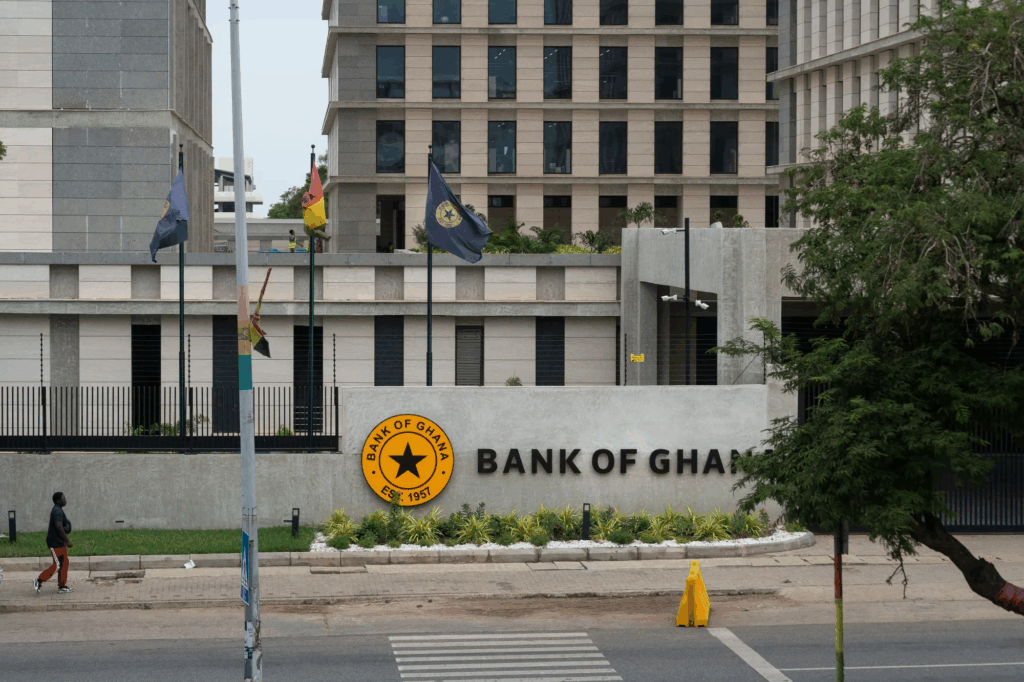
The Bank of Ghana (BoG) has warned the public against digital financial fraud and "double-your-money" schemes. In a statement on October 7, the central bank emphasized the need for consumers to be vigilant and adopt stronger security measures while using digital platforms for banking and financial transactions.
The BoG cautioned users to safeguard sensitive information, such as Mobile Money and ATM PINs, internet banking passwords, and One-Time Passwords (OTPs). Legitimate financial institutions would never ask customers to share such information through phone calls, text messages, emails, or social media. Customers should verify the identity of anyone claiming to represent a bank or a financial institution before sharing any confidential details.
The central bank also cautioned consumers against responding to unsolicited messages and links requesting personal or financial information. Investment schemes promising unusually high returns with little or no risk should be treated with extreme caution, as they could result in significant financial losses. This includes "double-your-money" schemes and online Ponzi schemes.
To protect their accounts, the BoG advised consumers to regularly monitor transaction alerts, bank statements, and mobile money notifications. They should use strong passwords, change them regularly, and activate security features like transaction alerts, biometric verification, and two-factor authentication when available. If consumers suspect fraud, unauthorized transactions, a SIM swap, or account compromise, they should report it immediately to their financial institution, mobile network operator, or the relevant service provider.
Written by urgent.news from MyJoyOnline Ghana's reporting — not their text. Machine-written — may contain errors; check the original before relying on it.