Blood-tainted ice cubes and a famine in Madras
The Ice House remains a popular reminder of a place where the British sold ice. Behind that luxury, however, lay a darker history of labour, exploitation, and suffering
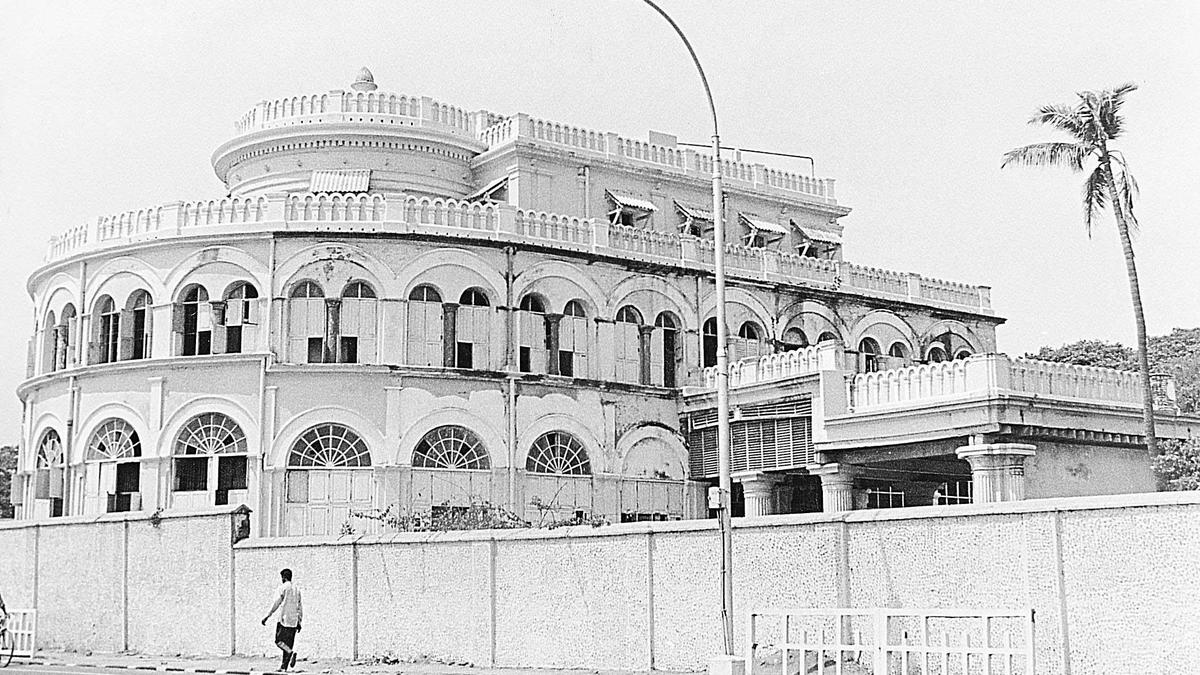
In the heat of colonial Madras, British authorities and the city's upper class enjoyed Scotch whisky, chilled by ice cubes. These ice cubes were derived from naturally formed ice in New England, imported to India and stored in the Ice House in Triplicane. The Ice House remains a symbol of this colonial-era trade in ice. However, behind the luxury, there was a darker story of labor exploitation.
Scheduled Caste laborers were employed to cut, move, and handle the massive ice blocks under harsh conditions. Tamil writer Jeyamohan captures this history in his novel Vellai Yaanai, which intertwines fact and fiction, focusing on the Great Madras Famine of 1876-78. This famine resulted in the deaths of half the Scheduled Caste population.
Through his protagonist, Aiden Byrne, an Irish police officer, Jeyamohan exposes the brutality faced by the laborers and the workers' struggle for better conditions.
Written by urgent.news from The Hindu's reporting — not their text. Machine-written — may contain errors; check the original before relying on it.