Blade Runner is still the greatest sci-fi film about AI—and why our future won't match its vision
Ridley Scott’s 1982 masterpiece Blade Runner offers sci-fi's most hauntingly atmospheric vision of artificial intelligence, raising profound philosophical questions about humanity that modern tech has yet to reach.
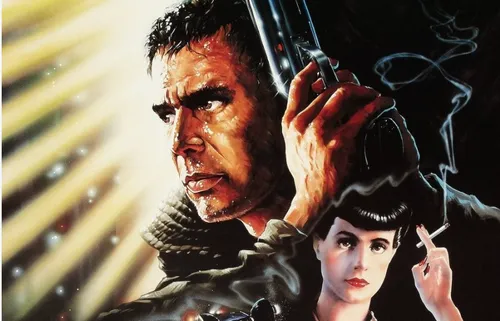
Blade Runner, a 1982 film, remains the quintessential science fiction movie about artificial intelligence. Directed by Ridley Scott, the movie transcends mere visual effects to delve into the profound nature of AI. Ridley Scott's masterpiece is a symphony of atmosphere and pioneering visual effects. The heart of the story revolves around bio-engineered, organic artificial humans known as replicants.
These beings, created by Philip K. Dick in his 1968 novel Do Androids Dream of Electric Sheep?, mimic humans in every measurable way. Starring Harrison Ford and Sean Young, the film is set in a dystopian 2019 Los Angeles, featuring sprawling megastructures, flying cars, and a cyberpunk underbelly. Rick Deckard, played by Ford, is a weary detective hunting down rogue replicants.
He crosses paths with Rachael, a strikingly beautiful advanced prototype who believes she is human. Despite not posing any threat, Deckard develops an emotional bond with Rachael, questioning what truly defines humanity. This moral quandary lies at the film's emotional core, arguing that empathy and consciousness define humanity more than biological origin.
The hauntingly atmospheric synth score by Vangelis elevates the film to cinematic perfection. While the neon-laden world of Blade Runner may never become reality, the movie challenges our philosophical perspectives on technology. For that reason, Blade Runner remains the greatest sci-fi film about AI. To fully appreciate the film, watch the Director's Cut or The Final Cut instead of the original 1982 theatrical release, which was marred by heavy-handed narration and an unsatisfying ending.
Written by urgent.news from IOL's reporting — not their text. Machine-written — may contain errors; check the original before relying on it.