Bahnverkehr: Bahn-Neubaustrecke Hannover-Hamburg nimmt wichtige Hürde
Im jahrelangen Streit über eine Modernisierung auf der wichtigen Nord-Süd-Achse gibt es eine Entscheidung: Eine neue Strecke soll gebaut werden.
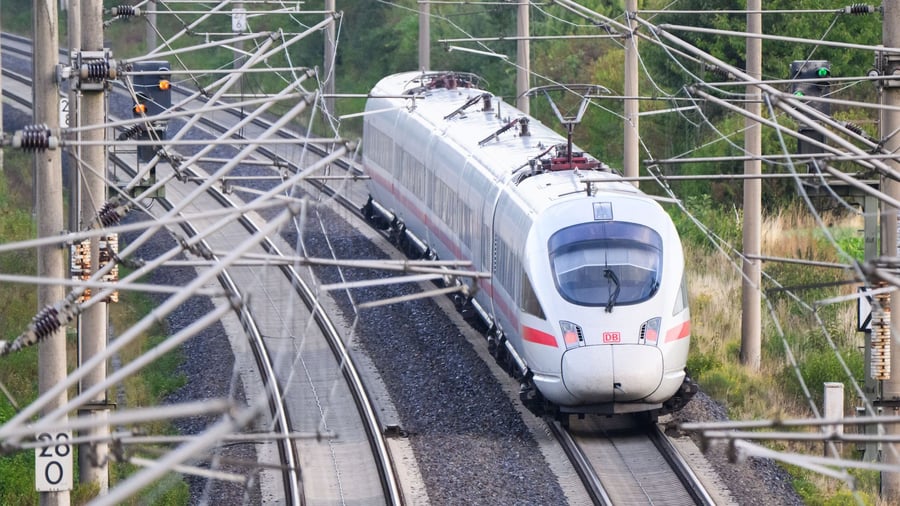
The long-debated decision on the Bahn-Neubaustrecke Hannover-Hamburg has finally been made, clearing the way for a new railway line between the two cities. The Verkehrsausschuss, or Transport Committee, confirmed the results of the Bahn's so-called Vorplanung, proposing a new track while also demanding significant and rapid improvements to the existing route.
The amendment received the votes of the CDU/CSU, SPD, Greens and Left parties. It is expected that the entire Bundestag will discuss the matter by the end of the week. Coalition officials have stated that approval is merely a formality. The Hannover-Hamburg railway line is one of the most important transport arteries in Germany. The existing track is heavily strained, though protests have emerged against the planned new construction.
Isabel Cademartori, the SPD's spokesman on transport policy, emphasized that the new line would create urgently needed capacity for both passenger and freight transport, while simultaneously investing approximately 250 million euros in the existing track by 2034. This includes enhanced noise protection, operational improvements, and the potential for new regional stops along the new line. Cademartori described it as a "responsible compromise."
CDU representative Christoph Ploß argued that the new line is a key component for creating additional capacity and permanently resolving existing bottlenecks between Hamburg and Hannover. Following a decision by the Social Democratic and Liberal parties in the Bund, the controversy had been postponed two weeks earlier. Behind the scenes, it was revealed that primarily Lower Saxony CDU members of parliament had concerns.
Even SPD chief Lars Klingbeil, whose constituency lies within the Lüneburger Heide area affected by the project, had long opposed the plan.
A rehabilitation of the existing route between Hannover and Hamburg is planned for 2029. This "corridor rehabilitation" aims to densify and extensively refurbish a heavily loaded route over several months rather than continuously operating. However, the concept of "corridor rehabilitation," which encompasses many heavily loaded routes and extends into the 2030s, is currently under review by the Federal Ministry of Transport and the railway.
The new Federal Minister of Transport, Steffen Bilger (CDU), expressed dissatisfaction as many disruptions have occurred during the reopening of rehabilitated routes.
The significance of the Hannover-Hamburg line is underscored in a report from the Federal Ministry of Transport to the committee on the outcome of the so-called Vorplanung. The report states that a new line is essential for resolving a central chokepoint in Germany's railway network. The existing connection is among the most heavily loaded railway lines in Germany, with utilization rates reaching up to 147 percent.
It is crucial for north-south high-speed freight transport, for commuters in Lower Saxony and Hamburg, and especially for freight transport, connecting the port of Hamburg to southern Germany and the European continent. According to DB statistics, one out of every four freight wagons in Germany departs for or arrives at Hamburg.
Written by urgent.news from Handelsblatt's reporting — not their text. Machine-written — may contain errors; check the original before relying on it.
Also reported by 1 other outlet
- Bahnverkehr: Weg frei für Bahn-Neubaustrecke Hannover-Hamburg handelsblatt.com