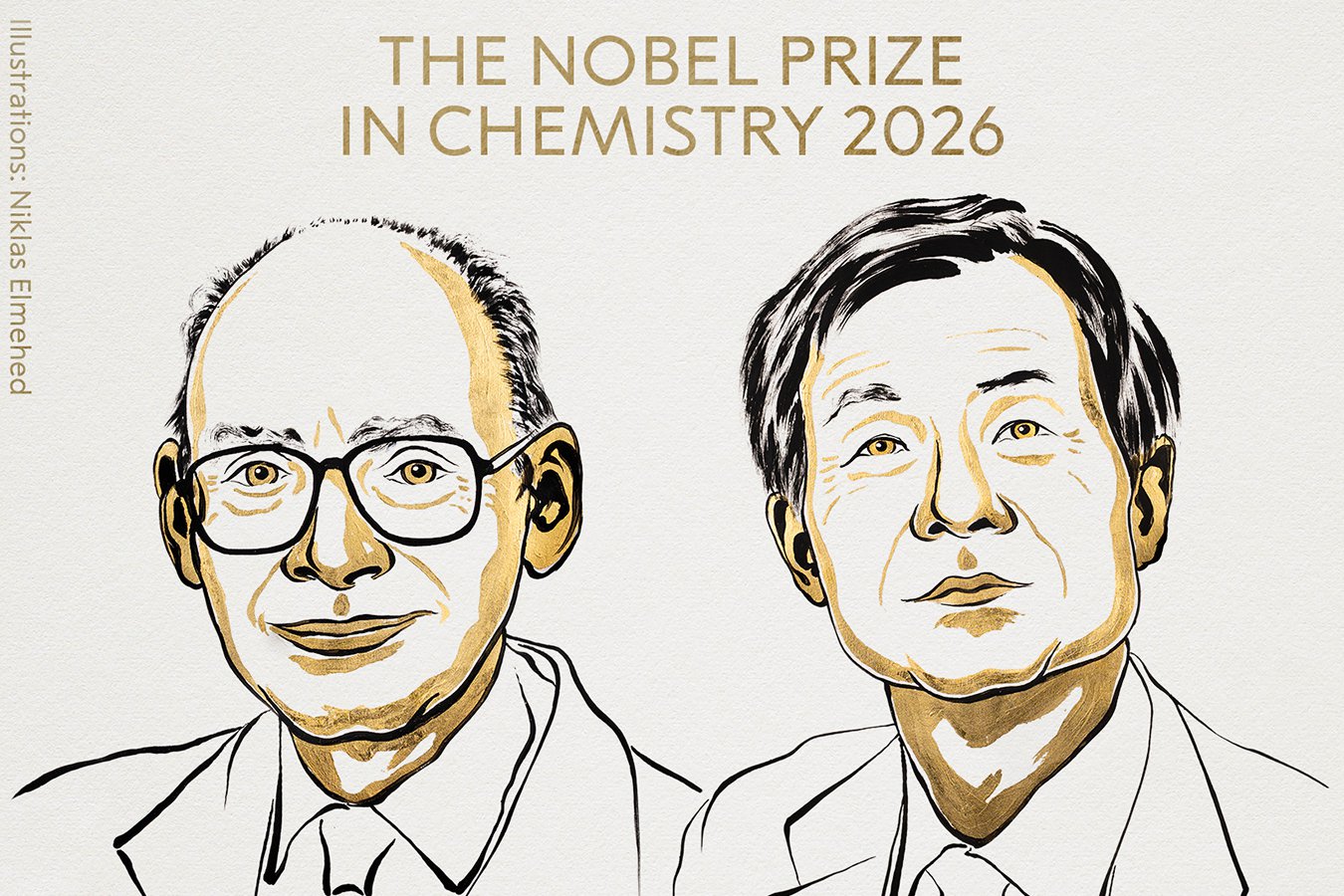
Auszeichnung: Chemie-Nobelpreis an einen Franzosen und einen Japaner
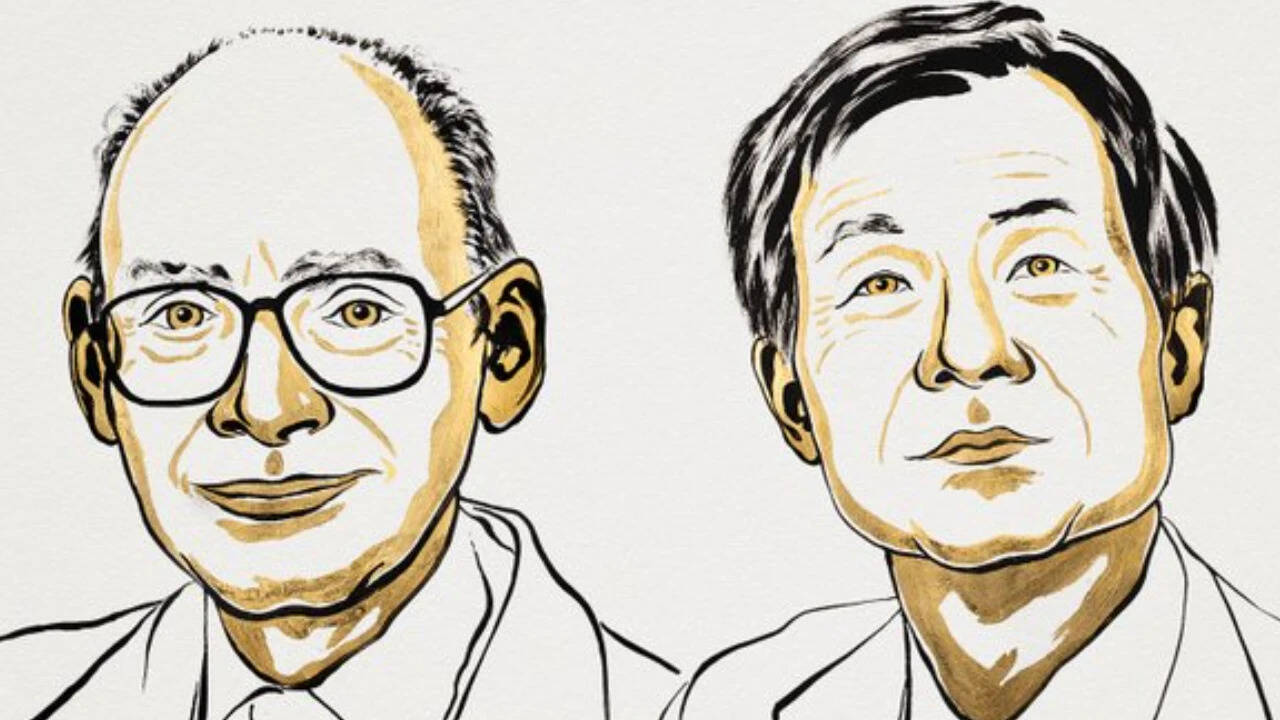
Ausgezeichnet werden zwei Wissenschaftler, die Grundlagen für die Herstellung von Arzneimitteln entwickelt haben. Henri Kagan und Kenso forschen im Bereich der chemischen Asymmetrie.
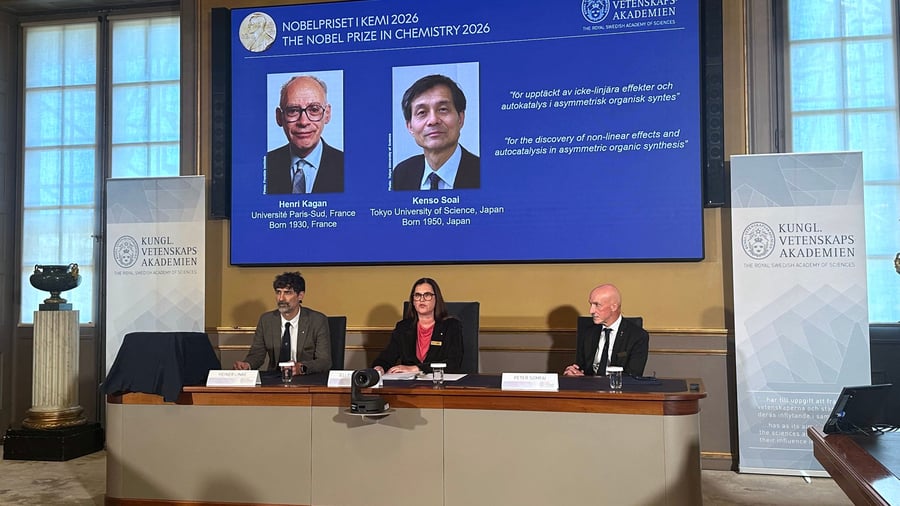
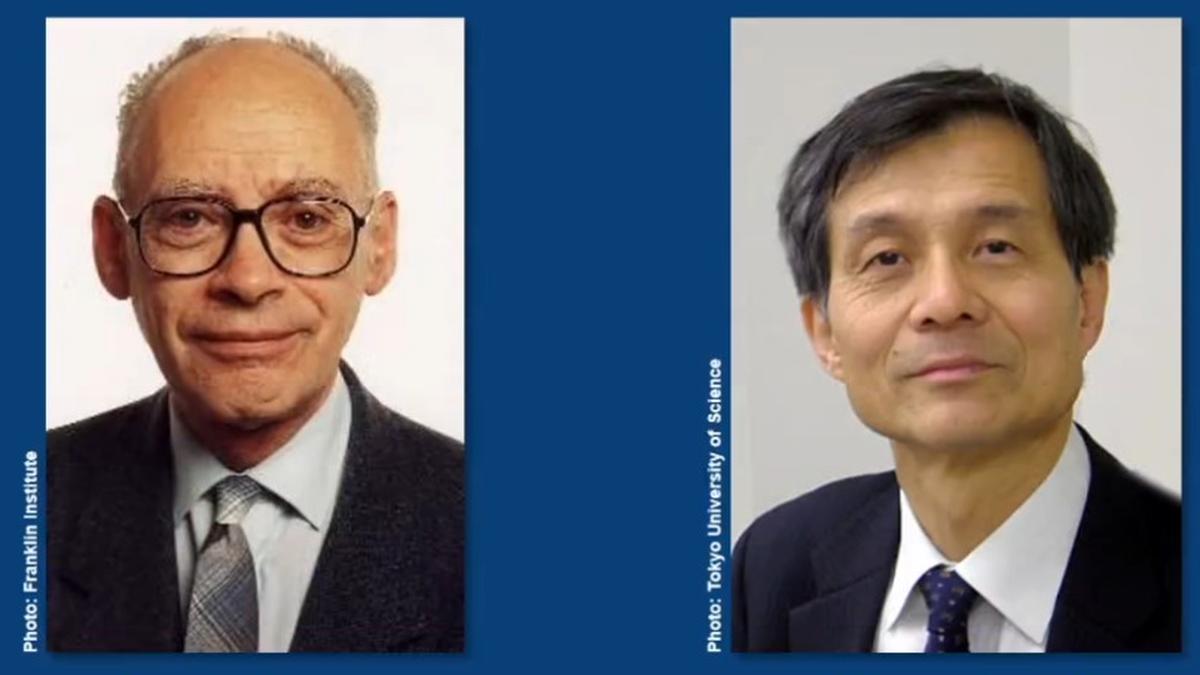
In Stockholm, the Nobel Prize in Chemistry has been awarded this year to French scientist Henri Kagan and Japanese researcher Kenso Soai for their discovery of non-linear effects and autocatalysis in asymmetric organic synthesis. The Royal Swedish Academy of Sciences in Stockholm announced the award. These discoveries have been crucial for chemists developing the foundations for creating medicines, the academy said.
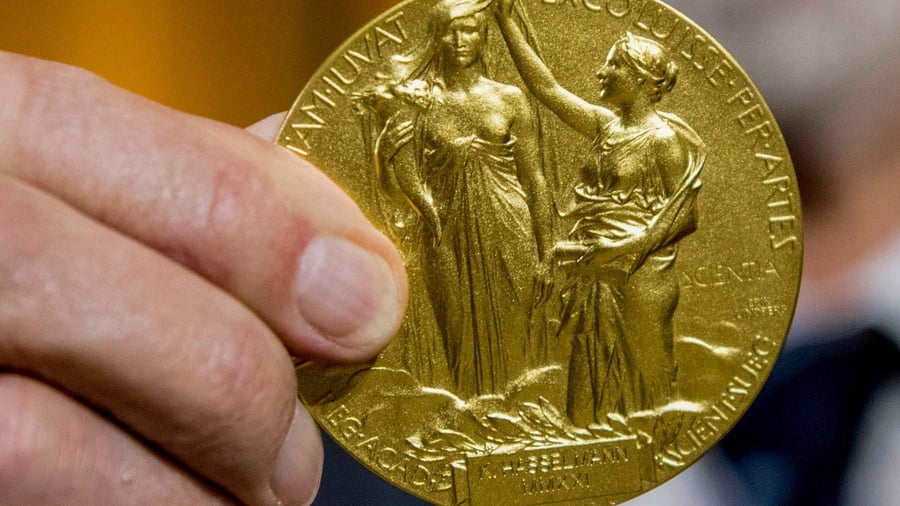
Some molecules, like amino acids, exist in two mirror-image forms that living organisms only contain one of. How such chemical asymmetry arises has long been a mystery to chemists. Kagan from the University of Paris-Sud and Soai from Tokyo University of Science received the Nobel Prize for finding the solution. The most prestigious award for chemists comes with a total of twelve million Swedish Krona in prize money, equivalent to about one million Euros.
The Nobel Foundation recently increased the prize money to twelve million Krona. "This year, we celebrate the 125th anniversary of the Nobel Prize. In celebration, we are pleased to be able to increase the prize money by a million," Nobel Foundation's managing director Hanna Stjärne said.
Written by urgent.news from Handelsblatt's reporting — not their text. Machine-written — may contain errors; check the original before relying on it.
This story
This is one outlet's version. Read the fullest account.