Ausbildung: So überwinden Ausbilder und Azubis Generationen-Konflikte
Azubis wollen Homeoffice und flexible Arbeitszeiten, Ausbilder pochen auf Pünktlichkeit: Wie beide Seiten ihre Bedürfnisse besser verstehen und Gräben überwinden können.
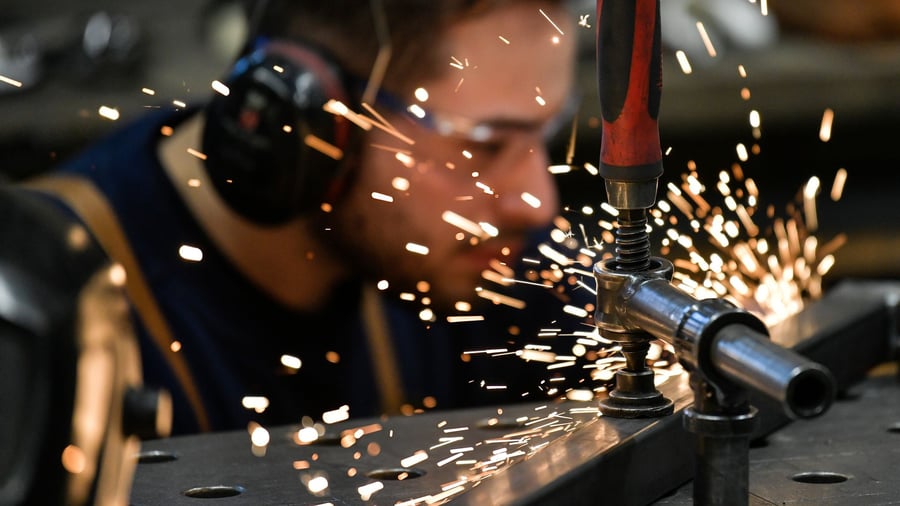
Companies commonly complain about apprentices lacking the necessary skills, or not being able to find apprentices at all. The older generation often views young people as unreliable and less resilient. Apprentices, on the other hand, justify their self-care and resource preservation through mindfulness. To bridge the gap between apprentices and trainers, Felicia Ullrich, an expert in apprenticeship recruiting and training from the testing service provider U-Form, advocates for mutual understanding.
Young people primarily consider attributes like punctuality when assessing reliability. Apprentices, however, would not describe themselves as reliable based on punctuality but rather on whether they complete the required work. Mental resilience is another area where a disconnect exists. Ullrich notes that apprentices often do not push themselves to the limit anymore, prioritizing their health and expressing emotions transparently.
Some trainers interpret an apprentice's sick leave and tears during stress or pressure as a sign of weakness. To achieve better mutual understanding, Ullrich suggests establishing regular feedback as a standard process. By receiving feedback every two to four weeks, apprentices are not caught off guard by unexpected negative outcomes.
This feedback can also serve as an opportunity for apprentices and trainers to discuss their needs. For example, many apprentices desire the possibility of working remotely, flexible working hours, and greater understanding from their trainer. Conversely, trainers can explain why punctuality is non-negotiable.
Written by urgent.news from Handelsblatt's reporting — not their text. Machine-written — may contain errors; check the original before relying on it.