An Undocumented War: Inside Deportation’s Machinery of Violence
If a body is undocumented, should we be surprised if the war against that body is undocumented too? The ugly truth of deportation is it is a war. An American war predicated on the same things as previous American wars:
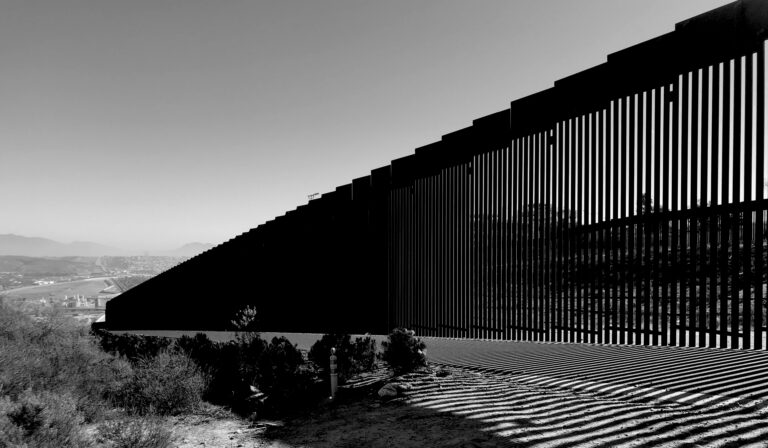
Deportation is often viewed as a war, one in which the United States wages an undocumented conflict against those deemed to be undocumented. This war, much like past American conflicts, is driven by the same factors: genocide, white supremacy, and the pursuit of body counts. The metric used to measure progress in these wars is the number of enemy dead versus American lives lost, a concept that extends to the wars against drugs, terrorism, and socialism.
The American casualties in these wars are not clearly defined, but those who are deported from the United States are also American bodies. The Civil War in America, fought for the dignity and place of Black American bodies, is seen as a reflection of this internal conflict. America's interventions in countries like Guatemala, Honduras, Nicaragua, Mexico, and El Salvador have led to mass migrations, with many of those fleeing ending up in cities like Houston and Los Angeles.
The Salvadoran Civil War, supported by the United States, lasted from 1979 to 1992. During this time, the U.S. provided military training to the Salvadoran regime, which was notorious for its use of torture, death squads, massacres, and forced disappearances. The curriculum included executions, torture, extortion, and other forms of repression.
One Salvadoran special forces member, Ernesto Deras, trained by U.S. Green Berets, went on to structure and organize the gang MS-13 in Los Angeles. Many members of this gang were later deported back to El Salvador, where they established their own cells, further destabilizing the country.
In 2023, over 78,000 people in El Salvador were members of MS-13, a statistic that has contributed to the rise of Nayib Bukele, the president of El Salvador since 2019. Under Bukele's leadership, there has been a significant increase in mass incarceration, with an estimated 108,000 prisoners, or about 1.7 percent of the country's population, many of whom are deported US immigrants. This has led to a rise in violence, with deportation being seen as a "death sentence" for many.
This situation is not unique to El Salvador. In Mexico, America's war on drugs and operations like the Mérida Initiative have fueled violence and instability. According to Mexico's Comisión Nacional de Búsqueda, approximately 134,448 people remain missing, with over 150,000 killed during the most intense years of the drug wars under U.S. pressure. The number of femicides in Mexico is also staggering, with #NiUnaMenos, a feminist group, advocating for an end to this violence.
Recent immigration policies have made deportees, particularly women, easy targets for extortion, kidnapping, and recruitment by cartels. The United States' involvement in these wars, both at home and abroad, raises questions about its commitment to fighting these conflicts. Is the United States truly invested in ending these wars if it is actively fueling violence and instability in other countries by deporting vulnerable individuals?
Written by urgent.news from Literary Hub's reporting — not their text. Machine-written — may contain errors; check the original before relying on it.