AI 'widening economic inequality', IMF boss warns
The global artificial intelligence boom is fast becoming the key driver of economies around the world, but the boom is risking wider global inequality by leaving some nations behind, IMF chief Kristalina Georgieva warned on Wednesday.
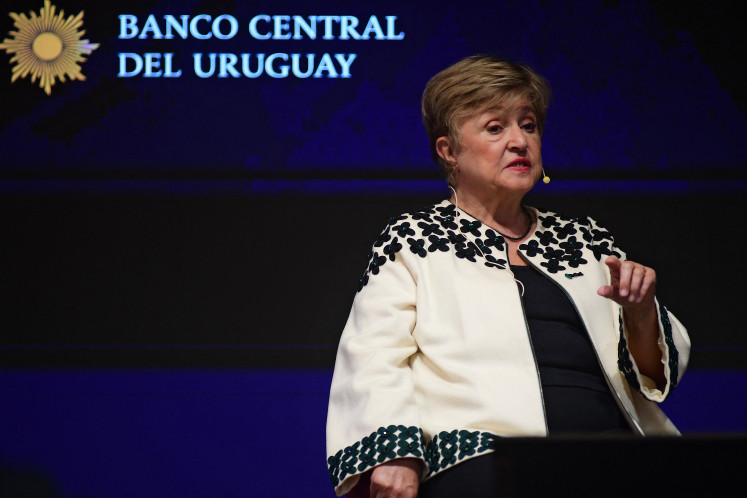
IMF chief Kristalina Georgieva cautioned on Wednesday that the rapid growth of artificial intelligence (AI) is threatening global economic inequality by leaving certain nations behind. In a speech ahead of the International Monetary Fund's annual meetings in Singapore, Georgieva highlighted that AI investment-to-GDP is expected to surpass funding for traditional infrastructure like railroads, electricity grids, and telecommunication networks.
She noted that the United States, China, and India have led AI-related trade, with companies investing in data centers, chip manufacturing, and robotics.
Georgieva emphasized that while AI drives today's economies, it largely bypasses others, increasing the risk of widening global economic inequality. She stressed the importance of ensuring that the benefits of AI are accessible worldwide, requiring international cooperation. Georgieva also addressed concerns about the substantial capital influx into the AI sector, with investors anticipating returns after a market rally fueled by tech firms' growth.
However, she warned that should earnings fall short, the leverage held by hyperscalers could lead to significant market repercussions.
The IMF boss also pointed out the surge in government debt due to high borrowing costs, driven by inflation and rising interest rates. These factors are compounded by significant bond issuance by companies to finance AI investments. Elevated yields are increasing the cost of short-term debt, which is exacerbated by budget constraints and competing spending priorities, including defense expenditures.
Georgieva highlighted that the recent inflation spike, largely attributed to soaring oil prices due to the Middle East conflict, has been contained by stockpiles, energy efficiency measures, and contingency planning. However, she warned that high energy prices, particularly diesel, remain at record highs, adversely affecting Asia and Europe. She also cautioned that even if the Iran war concludes swiftly, high energy prices will likely persist for some time.
The IMF chief commended some central banks for raising interest rates to combat inflation, suggesting a prudent hawkish stance for many countries' monetary policies. She cautioned emerging markets and low-income nations, which face higher borrowing rates and volatile capital flows, potentially forcing them to cut crucial development spending.
Georgieva urged world economic policymakers to take decisive action, emphasizing the need for credible medium-term fiscal consolidation plans and upfront fiscal measures. She urged policymakers to communicate the necessity of consolidation to the public, explaining that present sacrifices are required for future growth. She also stressed the importance of pursuing complementary structural reforms to protect vulnerable populations and ensure inclusive growth.
Written by urgent.news from The Jakarta Post's reporting — not their text. Machine-written — may contain errors; check the original before relying on it.
Also reported by 1 other outlet
- IMF boss warns AI boom could widen global inequality malaymail.com