Aaron Sorkin takes on Facebook again, and this time he's furious
The "spiritual sequel" to The Social Network delves into the 2021 scandal that revealed how far Facebook will go to keep users on platform.
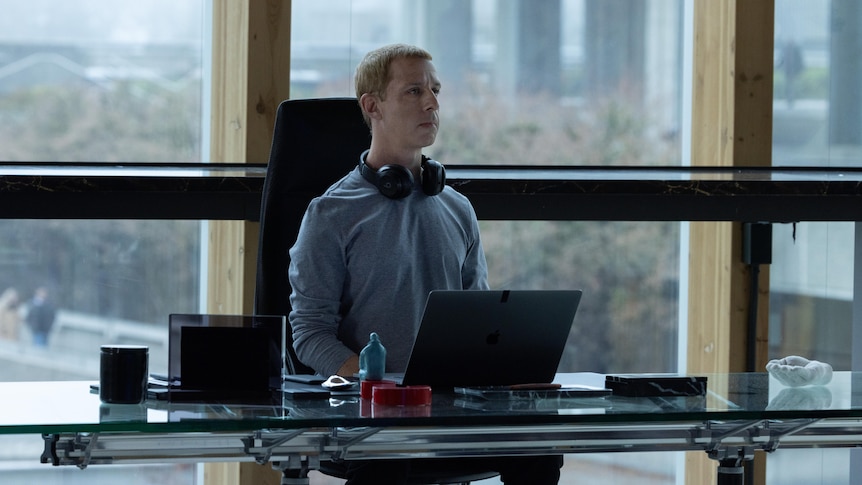
Aaron Sorkin's latest film, The Social Reckoning, once again takes aim at Facebook, this time with an intense fury. Two key statistics set the tone for the film: 64% of individuals who joined extremist groups on Facebook were introduced to them by the platform, and 32% of teenage girls reported feeling worse about their bodies after using Instagram.
The Social Reckoning reunites Sorkin and Fincher, who previously collaborated on The Social Network. However, this time Sorkin plays both screenwriter and director, crafting a damning journalistic drama about the Facebook whistleblower Frances Haugen, portrayed by Mikey Madison, and Wall Street Journal reporter Jeff Horwitz, played by Jeremy Allen White.
These two expose the knowledge held by Facebook's CEO Mark Zuckerberg, played by Jeremy Strong, and his senior team regarding the platform's addictive nature and harmful content.
Madison's performance as Haugen brings a fresh perspective to the role, while White provides a more grounded portrayal of the journalist. Despite the film's strong narrative, it falls short of being a perfect sequel to The Social Network. The cinematography, cinematographer Jeff Cronenweth, and score, composed by Alexandre Desplat, offer a consistent dark tone, similar to the first film. Nonetheless, the film stands on its own, satisfying fewer viewers.
The Social Reckoning delves into the consequences of Facebook's algorithm manipulation, which was designed to provoke anger in users, resulting in increased sharing and scrolling. Haugen and Horwitz uncover this information, exposing the truth behind the platform's design. Strong's portrayal of Zuckerberg is spot-on, capturing the character's mannerisms and voice, even transforming him into a villainous figure.
The film juxtaposes scenes from 2019 and 2022, showcasing Haugen's transformation from a progressive friend of Haugen into a radicalized woman. The story transitions between 2019 and 2022, sometimes disrupting the pacing. Despite the film's strengths, it often feels disjointed, with some lines landing better than others.
Written by urgent.news from ABC News AU's reporting — not their text. Machine-written — may contain errors; check the original before relying on it.