A New Study Puts the Heat on Gas Stoves for Commercial Kitchen Air Pollution
The gas versus electric stove debate continues.
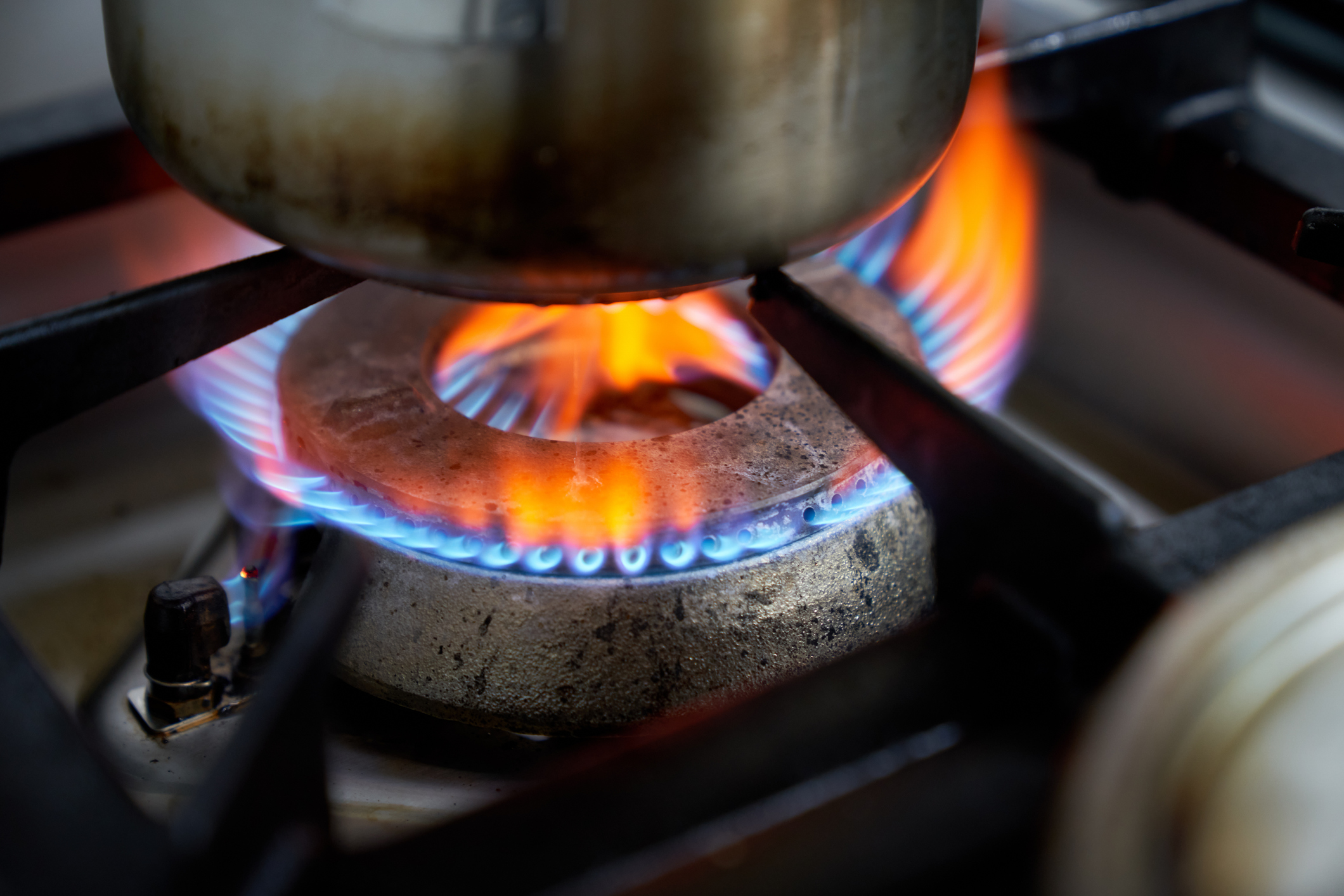
A new study highlights the hazardous air pollution and high temperatures experienced by restaurant kitchen workers who use gas and propane appliances. Researchers from Stanford, New York University, and PSE Healthy Energy compared the air quality and heat levels of gas kitchens to all-electric kitchens in three states. They found that in gas kitchens, pollutant levels frequently surpassed health guidelines.
At least one guideline was exceeded during cooking hours in 70% of gas kitchens, and about four weeks' worth of work was spent in conditions that exceeded the World Health Organization's nitrogen dioxide exposure recommendation. Nitrogen dioxide, carbon monoxide, and benzene are all harmful air pollutants that can cause respiratory issues, asthma, and even cancer.
The study found that all-electric kitchens did not exceed pollutant health guidelines during cooking hours. Even after service hours, exposure to pollutants remained a concern, with higher levels of nitrogen dioxide, carbon monoxide, carbon dioxide, methane, and benzene recorded overnight in 71% of gas kitchens. High heat levels, exceeding the Occupational Safety and Health Administration's proposed threshold, were also a problem in gas kitchens, even on cooler days.
The study underscores the need for proper ventilation and the switch to all-electric appliances to protect workers' health.
Written by urgent.news from CNET's reporting — not their text. Machine-written — may contain errors; check the original before relying on it.