A brush with… Cecilia Vicuña—podcast
Cecilia Vicuña talks to Ben Luke about his influences—from writers to film-makers, and, of course, other artists—and the cultural experiences that have shaped his life and work
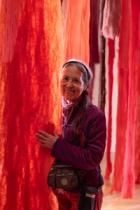
In a recent podcast, renowned artist Cecilia Vicuña shares her thoughts on the world of art with host Ben Luke. The Chilean-born artist, born in 1948, is a poet and visual artist who merges these two disciplines in her work, which encompasses a variety of mediums. Among her many styles, she is known for her distinctive narrative painting, large installations created from found materials and textiles, performances, and ephemeral sculptures.
Vicuña has long been deeply involved in politics and social issues, addressing topics such as human rights abuses in Chile, conflicts around the globe, Indigenous culture, and colonialism. Her work is also influenced by various forms of Indigenous languages and her response to significant developments in Modern and contemporary art, ranging from Surrealism to Postminimalism and Conceptualism.
During the podcast, Vicuña delves into her fascination with pre-Renaissance painting, the influence of her aunt, artist Rosa Vicuña, on her appreciation of pre-Columbian art and languages, her admiration for fellow artist Doris Salcedo, and the impact of seeing medieval sheela na gig sculptures in Ireland. She also discusses the importance of word and image synergy in her work, wordplay in some of her key concepts, and the full-body experience of art-making.
The podcast also offers insight into Vicuña's daily rituals and routines in her studio. Furthermore, she answers the ultimate question: what is art for? The podcast is sponsored by Bloomberg Connects, an arts and culture platform that provides access to an extensive range of international cultural organizations. Notable UK museums and galleries with solo exhibitions of Vicuña's work include the Whitechapel Gallery, Tate in London, the Guggenheim in New York, and the Wattis in San Francisco.
Written by urgent.news from The Art Newspaper's reporting — not their text. Machine-written — may contain errors; check the original before relying on it.