3 years later, Netanyahu faces reckoning over Oct. 7 in Israeli election
Israel is marking the third anniversary of the Oct. 7 terror attacks three weeks before an election where Prime Minister Benjamin Netanyahu's personal culpability for the country's worst-ever security failure will be a central issue. Why it matters: Netanyahu has never looked more politically vulnerable than in the weeks after Oct. 7, but he has defied expectations by keeping his government…
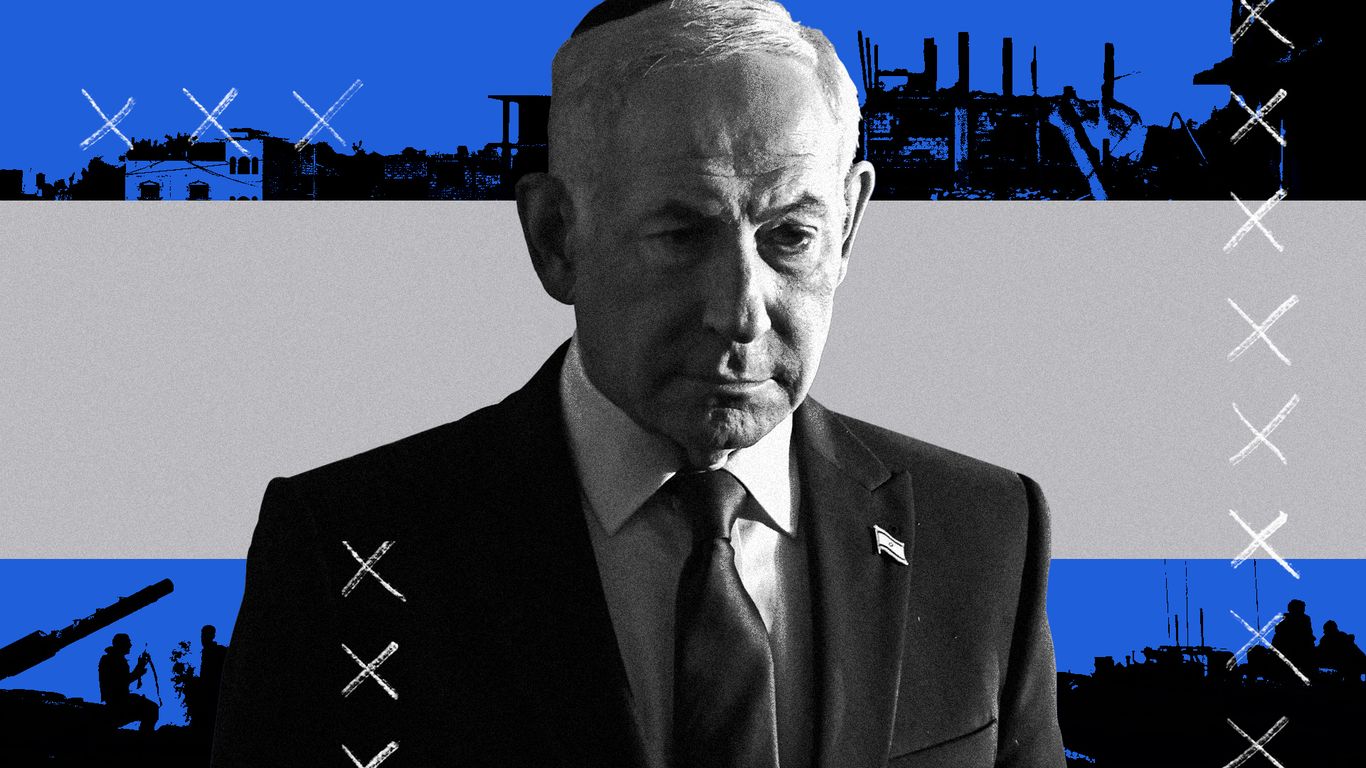
Three years after the Oct. 7 terror attacks, Israel is navigating a tense political landscape ahead of an election. The attacks, which claimed nearly 1,200 lives, have become a central issue, with opposition leaders accusing Prime Minister Benjamin Netanyahu of failing to take responsibility or allow an independent inquiry. Several senior national security officials who were in office during the attacks have resigned, but Netanyahu remains in office.
His chief rival, former IDF Chief of Staff Gadi Eisenkot, whose family members were killed, is determined to replace him. Netanyahu attributes the attacks to a "deep state," suggesting security chiefs should have warned him earlier. Recent reports indicate Netanyahu had some warning from the UAE and Egypt, but he denies receiving such warnings and has sued media outlets reporting this.
Recent polls show Netanyahu's Likud party with a slim majority, while the opposition might need support from Arab-Israeli parties to form a government. If Netanyahu wins, he could avoid legal troubles from an ongoing corruption trial, but if the opposition prevails, Israel might face a hung parliament and a caretaker government until the next election.
Written by urgent.news from Axios's reporting — not their text. Machine-written — may contain errors; check the original before relying on it.