28.8 juta pelancong: Momentum perlu diterjemah kepada pengalaman berkualiti
Ukuran yang lebih penting selepas ini ialah kemampuan negara menukar momentum itu kepada kunjungan lebih berkualiti.
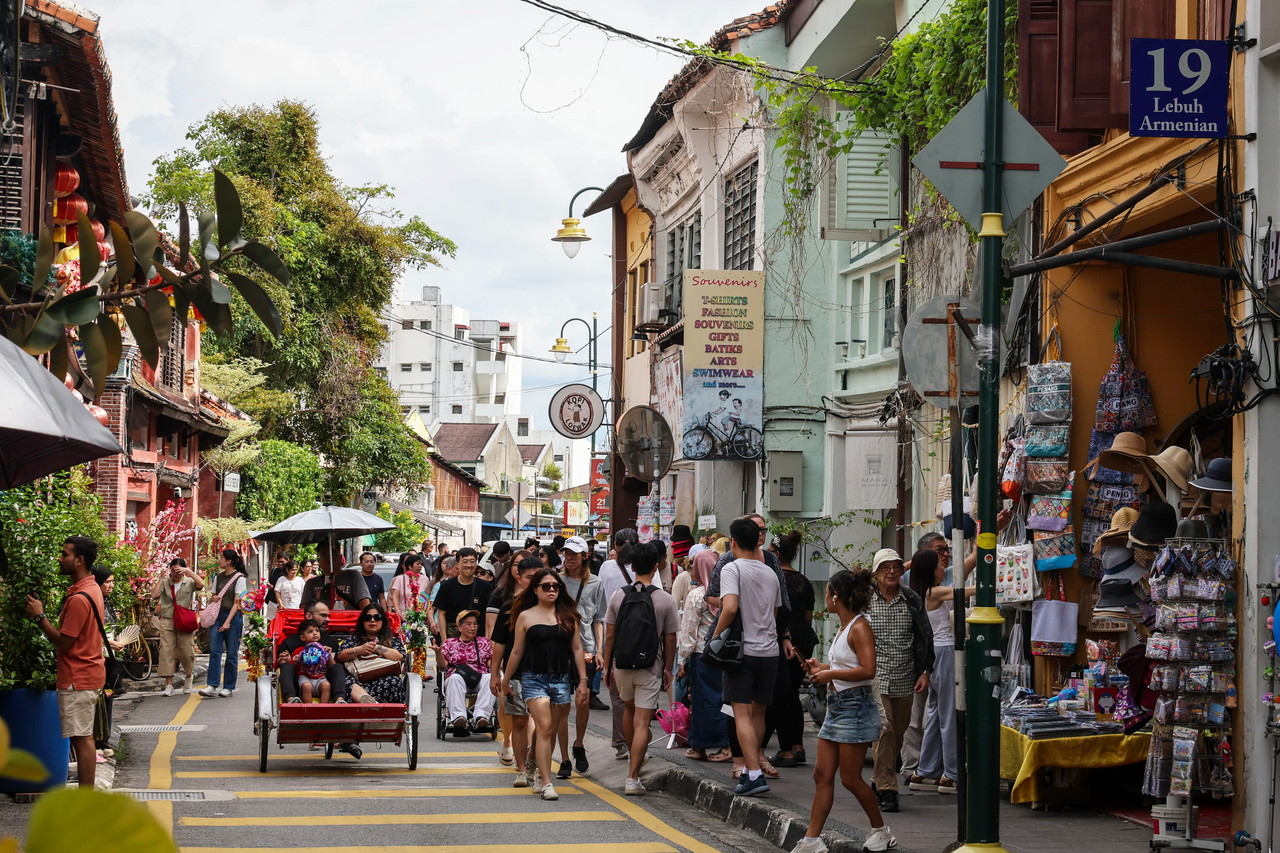
Malaysia has recorded 28.8 million international tourists between January and August 2026, marking a 1.8% increase compared to the same period last year. This growth indicates that Malaysia's tourism sector continues to move in a positive direction as the Malaysia Visit Campaign 2026-2027 gains momentum. As an academic specializing in tourism, I believe this achievement should be viewed beyond the mere number of arrivals.
While a 1.8% increase is positive, it also highlights the intense competition in attracting tourists. Malaysia must ensure that every additional arrival generates a better experience, a more meaningful stay, and broader economic benefits. Tourism Malaysia's Chief Promotions Officer, Mohd Akbal Setia, noted that this performance reflects Malaysia's continued appeal as a tourist destination and the importance of strengthening international tourism cooperation.
This perspective is crucial because a destination's appeal cannot rely solely on promotion. It needs to be supported by relevant products, ease of access, and experiences that meet tourist expectations. Malaysia has an advantage in diversity, offering a range of experiences including city life, food, culture, nature, islands, events, and community-based activities.
The challenge lies in presenting these strengths as a cohesive travel experience that is easy to understand and purchase for the international market. Today's tourists compare prices, online reviews, social media content, transportation convenience, and user experiences before making a decision. Therefore, an attractive destination that is difficult to book or lacks clear information may lose tourists to competitors offering a smoother travel process.
In this case, the success of Malaysia's Year of Tourism should not be measured solely by the number of arrivals. We should also consider how long tourists stay, how much they spend, how many destinations they visit, and how much of the income reaches local businesses and communities. The article also states that the tourism sector contributes over 15% to the country's gross domestic product.
Akbal explained that the multiple benefits of tourism extend to the entire value chain, from hotels and e-hailing services to local artisans and family-run restaurants. This demonstrates the far-reaching impact of tourism beyond just hotels or airports. The distribution of tourists needs attention. If the majority of visitors focus on only a few main destinations, economic benefits will also be concentrated in the same locations.
Balanced tourism requires connecting visitors with secondary cities, rural areas, and truly ready-to-serve community products. However, bringing tourists to more destinations is not just a promotional issue. Infrastructure, transportation, cleanliness, safety, signage, digital accessibility, and service quality all need to move forward together.
Aggressively promoted destinations that lack sufficient capacity can deliver a negative experience and ultimately damage the reputation. Another important point is industry cooperation. Tourism exhibitions, international culture and art festivals, or INTACT 2026 bring together 154 exhibitors from 35 countries. According to Akbal, platforms like these are essential for expanding mutual promotion and creating new tourism experiences that benefit both destinations and local communities.
I see such international cooperation as a component that needs strengthening. Tourism products rarely can be developed by a single party alone. Hotels need transportation access, operators need local products, destinations need promotion, and communities need marketing channels. Without coordination, tourists may receive disjointed experiences even though each player offers excellent individual services.
International cooperation must also produce more than just brand awareness. Industry meetings should translate into new market routes, sellable packages, stakeholder relationships, and opportunities to bring tourists to destinations that have not received much attention before. Now, Malaysia needs to maintain the quality of visitor experiences as tourist numbers increase.
Increased arrivals put pressure on transportation, accommodation, attraction, and workforce. If service capacities do not grow in line with demand, high arrival numbers may be accompanied by complaints, delays, and customer dissatisfaction. Therefore, the industry needs more detailed data. Beyond the number of arrivals, we need information on tourist satisfaction, complaints, duration of stay, repeat visits, and spending patterns.
This data helps determine whether the observed growth truly generates better experiences or simply increases the number of users in the same system. For me, the 28.8 million international tourists is a strong appeal indicator, but a more critical measure now is whether Malaysia can convert that momentum into higher-quality visits.
If tourists stay longer, explore more destinations, spend more at local businesses, and want to return, then the growth in arrivals can truly become a valuable and prosperous tourism growth.
Rewritten by urgent.news; may contain errors — check the original.
Other reports of this story
- 28.8 juta pelancong: Momentum perlu diterjemah kepada pengalaman berkualiti freemalaysiatoday.com