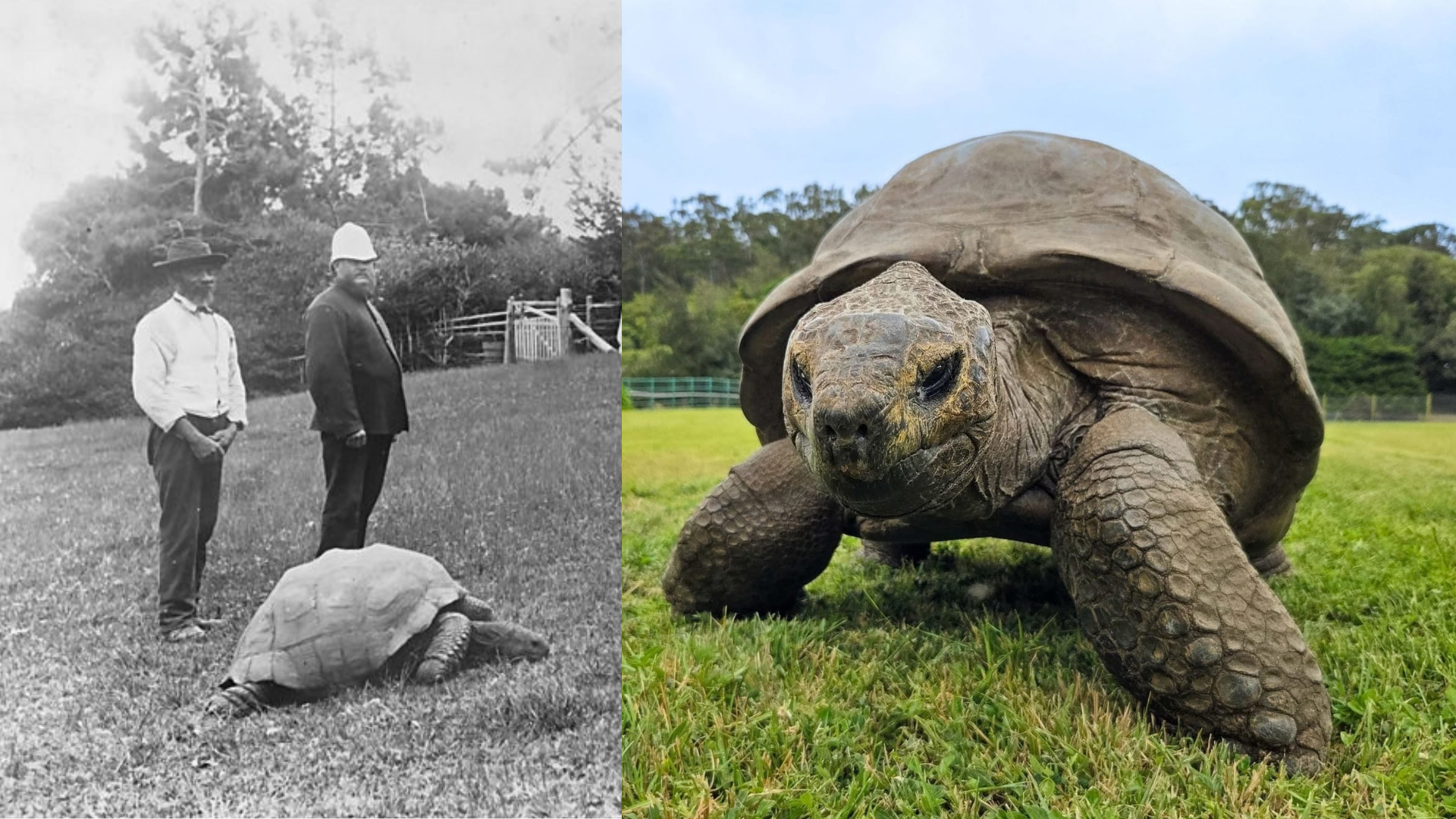
194-year-old tortoise reveals stable gene switches that may help resist aging
Researchers studying a giant tortoise named Jonathan say it's not just good genes but a lack of genetic wear and tear that has kept him going for nearly two centuries.

Scientists studying a 194-year-old giant tortoise named Jonathan have discovered that his genes have remained remarkably stable over centuries, aiding his resistance to aging. Published in the journal Science Advances, the study identified 287 unique gene variants in Jonathan that reduce the typical effects of aging. These gene variants control crucial bodily processes such as DNA damage repair, inflammation reduction, insulin regulation, and cancer suppression.
Jonathan, an Aldabra giant tortoise and likely the oldest living giant tortoise and land animal, is estimated to have been born in 1832, contemporary with Charles Darwin and Queen Victoria. Researchers compared his epigenome—the "on/off" switches controlling his genes—with younger tortoises of the same species, finding that his epigenetic regulation of DNA repair and metabolism remained very similar to the younger tortoises.
This study marks the first investigation of a giant tortoise's epigenome and offers unprecedented insights into extreme longevity. Dr. Justin Gerlach, a researcher involved in the study, emphasized the importance of studying long-lived species like giant tortoises, stating that they provide a "blueprint for cellular resilience" that could help develop treatments for various chronic diseases.
Written by urgent.news from Phys.org's reporting — not their text. Machine-written — may contain errors; check the original before relying on it.