112-Million-Year-Old Insects Found in Ecuadorian Amber
A group of scientists working in Ecuador has uncovered an extraordinary collection of ancient insects trapped in amber. These fossils, dating back around 112 million years, give a rare look into what life was like in a tropical forest during the time of the dinosaurs. The amber was discovered in the Napo region of eastern […]
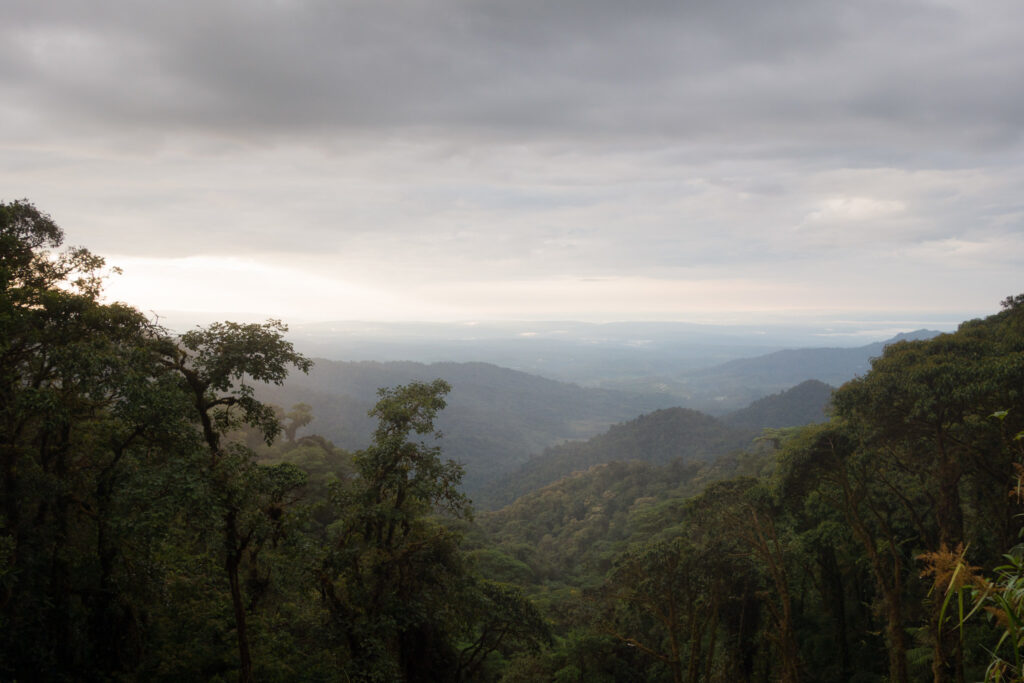
A remarkable trove of 112-million-year-old insects has been unearthed in Ecuador, offering unprecedented insights into the ancient tropical forests of that era. A team of scientists, led by Xavier Delclòs, discovered these well-preserved specimens in the Napo region, within a sprawling amber deposit known as the Genoveva quarry. Spanning roughly 112 million years, the insects provide a unique glimpse into the biodiversity of a rainforest that existed alongside the dinosaurs.
The amber, originating from a prehistoric coniferous tree, contains a diverse array of insects, including flies, wasps, beetles, and even spider webs. These creatures, some of which resemble their modern counterparts, help scientists reconstruct the ecosystem of the time. This fossil find is particularly significant because it hails from South America, a region that has historically yielded fewer amber deposits compared to the Northern Hemisphere.
The resin from which the insects were preserved originally came from a now-extinct type of tree, closely related to the Araucariaceae family. Chemical analysis confirms this link, with the fossilized resin's composition closely matching that of modern conifers. The area was rich in vegetation, including early flowering plants, ferns, and conifers, with no evidence of wildfires or fungal decay, indicating a consistently moist and humid environment.
Among the insects found were water-dwelling species, suggesting the presence of nearby water bodies. This discovery not only enriches our understanding of life during the Cretaceous Period but also aids in drawing comparisons between ancient insect species across different continents of Gondwana. Further excavations in the region are anticipated, with scientists eager to uncover more specimens that could shed even more light on the complex life of ancient South America.
Rewritten by urgent.news; may contain errors — check the original.