Your feed isn't random. The algorithm is built to keep you angry, anxious & scrolling
The newspaper gave you the world's bad news and then let you go. Your phone gives you the same news and keeps you there. Here is how that happened, what it is doing to us, and why countries are beginning to step in.
Once, in Indian households, the newspaper was read cover-to-cover, with each section addressing a specific aspect of the news. The front page introduced the main problem, the edit page provided analysis, the letters section allowed for debate, and the crossword labeled the completion of the paper. This structure gave readers a sense of closure after consuming the news.
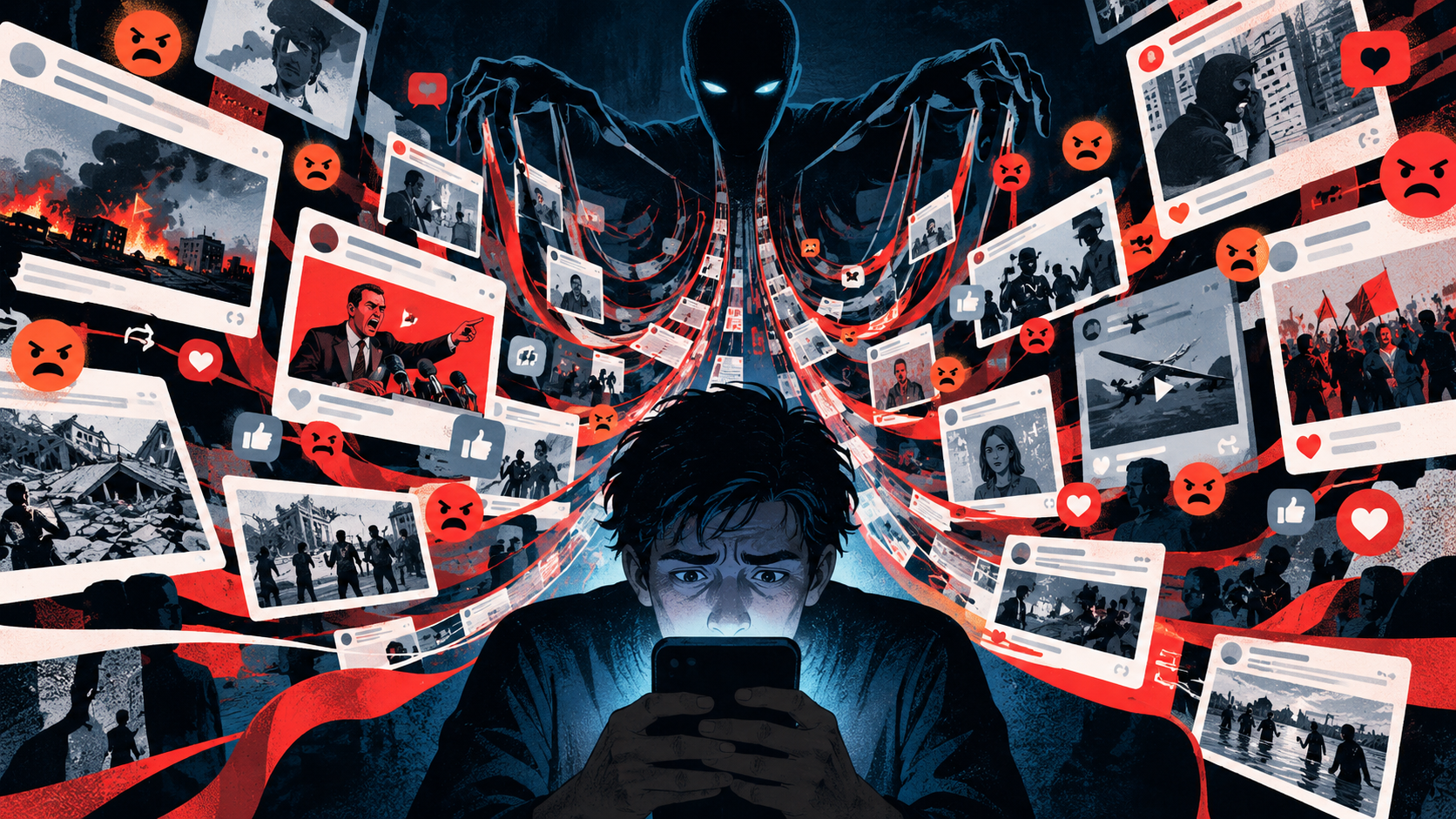
However, today's digital feeds have transformed into an endless scroll, devoid of the previous structure. Each scroll presents a constant stream of distressing news, leaving users feeling angry, anxious, and perpetually scrolling. The feed's design intentionally removes the natural pauses found in traditional newspapers, preventing users from taking a break and potentially addressing the problems presented.
The feed's primary goal is to capture and maintain attention, as its revenue depends on the time users spend engaging with the content. To achieve this, the feed creates arousal by presenting alarming and upsetting news, keeping users scrolling and consuming more content. In contrast to the newspaper, which offered resolution and closure, the digital feed feeds users with a never-ending barrage of distressing information with no apparent way to alleviate the suffering.
Psychologically, this constant exposure to negative news activates the brain's amygdala, triggering a stress response that releases hormones like cortisol and adrenaline. These chemicals prepare the body for a fight-or-flight response, but in the absence of any real danger, they remain in the body, causing long-term negative effects on mental and physical health.
Over time, the prefrontal cortex, responsible for rational thinking and impulse control, becomes less active as users remain in a heightened state of stress and anxiety. This can lead to difficulty concentrating, impulse control issues, and an increased tendency to perceive threats where none exist. Consequently, individuals may become more susceptible to "learned helplessness," a psychological state where they believe their actions are futile, even when there are potential solutions available.
In summary, the digital feed has replaced the structured newspaper, leading to increased stress, anxiety, and a sense of helplessness in users. This shift in news consumption has profound implications for mental well-being and societal resilience.
Written by urgent.news from Times of India's reporting — not their text. Machine-written — may contain errors; check the original before relying on it.