Yemen retakes key Red Sea areas: What it means for Gulf oil
Yemen retakes key Red Sea areas: What it means for oil
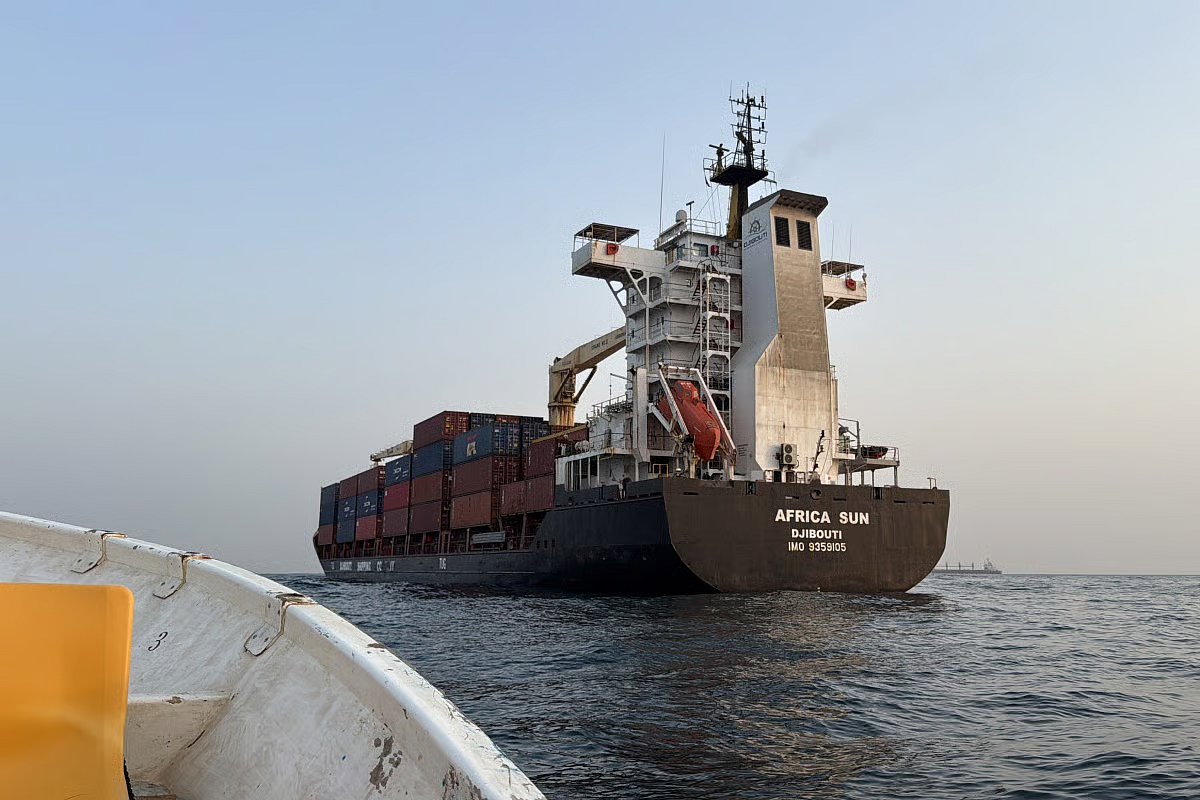
Dubai - Yemen's government forces claim to have regained control of the strategic Bab Al Mandab strait and the Red Sea port city of Mocha from the Houthi rebels, potentially altering the security landscape around one of the world's most crucial shipping lanes. This development follows a significant Saudi-backed military campaign, named "Dawn of Yemen," as fighting escalates along Yemen's western coast.
However, does taking territory around Bab Al Mandab assure the Red Sea's safety, and what could it signify for Gulf oil, shipping, and consumers?
Bab Al Mandab, a narrow strait linking Yemen to Djibouti and Eritrea, acts as a vital conduit for around 12% of global trade, serving as a bridge between the Red Sea, the Gulf of Aden, and the Arabian Sea. For Gulf exporters, this waterway assumes heightened importance for transporting cargo and energy resources to Europe. Iran-backed Houthi militants, meanwhile, have recently advanced towards Bab Al Mandab, escalating tensions and raising concerns about potential disruptions in the Strait of Hormuz.
Government forces assert that they have captured the Bab Al Mandab area, along with Mocha, Dhu Bab airport, and the road connecting Dhu Bab with Mokha through their operation, "Dawn of Yemen." However, the Houthis reject these claims and continue to maintain their territorial gains. Independent verification of the battlefield changes has not yet been carried out.
Controlling the Bab Al Mandab region does not guarantee a secure Red Sea, as the Houthis have demonstrated their capability to launch ballistic and cruise missiles and drones from considerable distances. Even as government forces report advances in Yemen, the Houthis have alleged missile strikes on Saudi Arabian airports and infrastructure.
Saudi authorities reported minor injuries resulting from Houthi attacks on Jazan and Najran airports. Despite these developments, shipping security relies not only on controlling the coastline but also on significantly weakening the Houthi missile, drone, and maritime capabilities.
For Gulf economies, the implications extend beyond Yemen. Bab Al Mandab is an essential energy and trade hub. A sustained reduction in threats to vessels could potentially enhance the safety of Red Sea shipping and improve access to the Suez route. As Gulf producers have adapted to disruptions in the Strait of Hormuz, oil exports have risen and occasionally surpassed pre-war levels through alternative routes, including the Red Sea.
Therefore, increased security around Bab Al Mandab may bolster this alternative export network, particularly for Saudi crude transported via Red Sea terminals. However, the economic advantages will not be immediate, as shipping companies and insurers will require proof that government forces can maintain their gains and that the missile and drone threat to vessels has diminished before considering the route significantly safer.
The capture of Mocha, in particular, may serve as a crucial indicator of whether government forces can solidify their advancement and utilize Mokha as a staging ground for future operations.
Written by urgent.news from Gulf News's reporting — not their text. Machine-written — may contain errors; check the original before relying on it.