Would China agree to slow AI development? That’s the wrong question
The latest US-China summit covered a wide range of topics including artificial intelligence (AI). However, the official readouts from both countries did not touch upon an issue that has generated heated debate: whether the United States and China should agree to pause or slow down the development of frontier AI. That absence has triggered considerable discussion. During my recent visit to New…
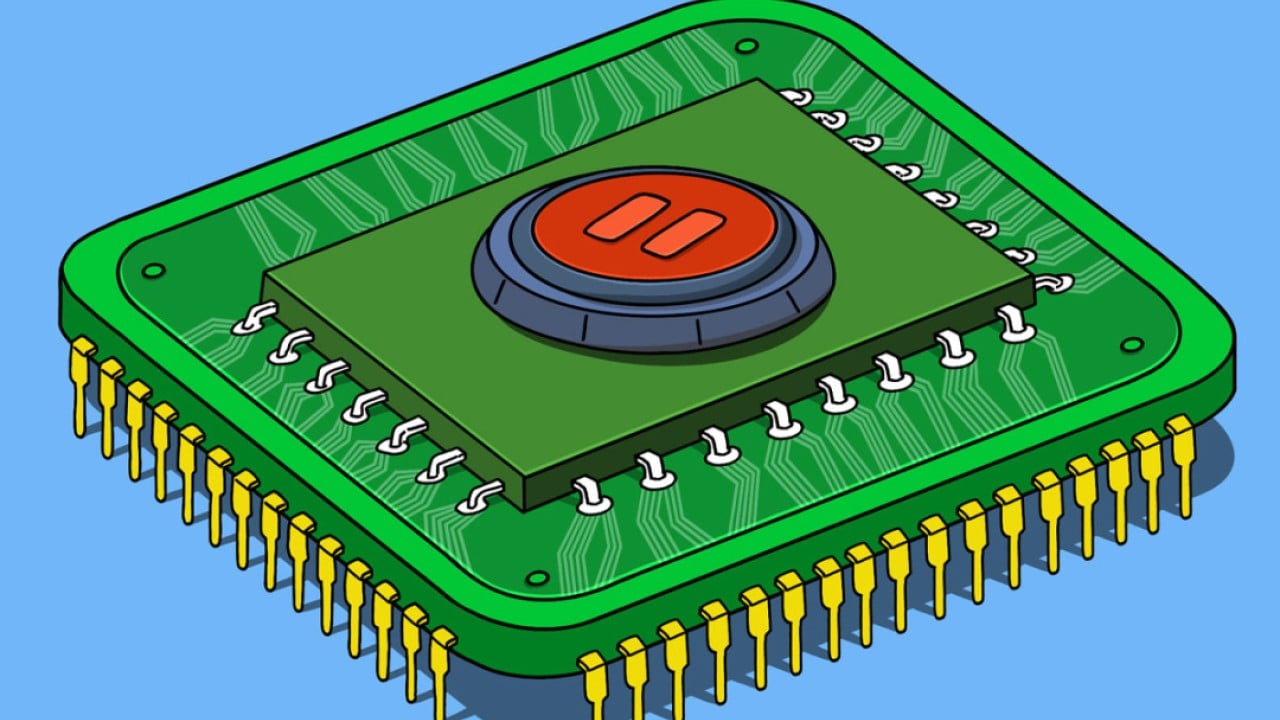
The recent US-China summit saw numerous discussions on a variety of subjects, yet the presence of artificial intelligence (AI) development concerns did not take center stage in the official statements from both nations. This omission has sparked much debate and speculation. In my recent trip to New York, numerous US associates inquired about China's potential stance on such matters. Before drawing conclusions about China's possible response, it is crucial to address several related questions first.
The initial question to address is who we are referring to when we inquire about China's perspective. If you were to ask individuals within China's AI safety community, many would likely share serious concerns regarding frontier AI risks and be actively addressing these issues. This can be observed from the recent release of the AI Safety Governance Framework 3.0 by China's National Technical Committee 260 on Cybersecurity under the Standardisation Administration of China.
However, if you were to consult Chinese AI firms grappling with limited resources and facing restrictions on advanced computing power, the urgency of this question might appear less pressing. If you were to engage with ordinary Chinese citizens, many of whom view technological advancements as a means to enhance their lives and are more concerned about falling behind, concepts of existential risks and the temporary halting of AI development might seem like something from a science fiction narrative.
The second question revolves around the precise definition of frontier AI. Based on recent assessments of publicly released models and benchmark performance, Chinese frontier models are estimated to be between eight months and one year behind their US counterparts. Additionally, there are concerns in China that the growing US restrictions on access to advanced chips and computing resources may widen this gap further.
The disparity in capabilities alters the discourse. While OpenAI's recently unveiled GPT-6 Astra has reignited discussions about whether artificial general intelligence (AGI) has emerged, Chinese frontier labs are still challenged by limited computational resources, making it difficult to create optimal models while ensuring adequate safety evaluations.
For instance, Z.ai recently postponed the public release of its GLM-5.3 model due to the need for additional cybersecurity testing and safeguards, demonstrating that some Chinese developers are already grappling with the trade-off between swift deployment and safety assessments.
Written by urgent.news from SCMP Tech's reporting — not their text. Machine-written — may contain errors; check the original before relying on it.