Why do you keep waking up to pee at night, even when you drink less water?
The phenomenon, known as nocturia, becomes more common with age. But cutting back on water before bed may not solve the problem. Urologists explain what nocturia is, why your body may produce more urine at night and why wearing compression socks may help.
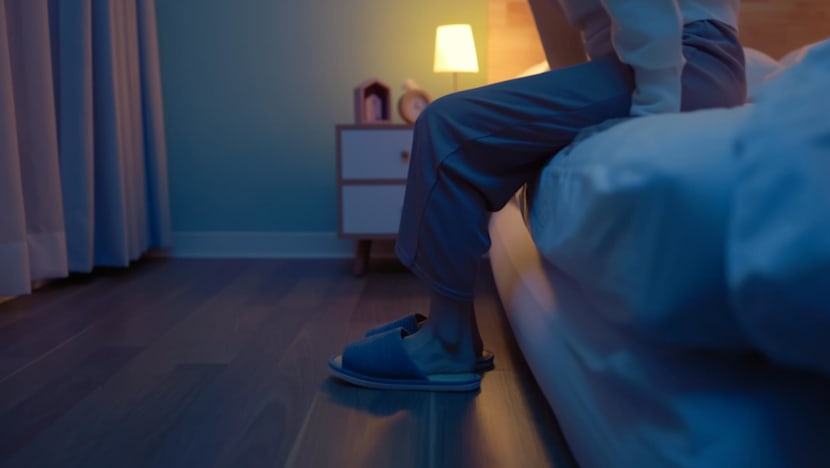
Nocturia, the frequent need to wake up and urinate at night, becomes more common as people age. Contrary to common belief, reducing water intake before bed may not alleviate the problem. Urologists explain that nocturia is not just a bladder issue, but can stem from changes in urine production, sleep patterns, circulation, or other medical conditions.
Men and women experience nocturia at similar rates, but women under 50 often experience it due to urinary tract infections or pregnancy, while men over 50 are more likely to develop it from benign prostatic hyperplasia or age-related prostate enlargement. Nocturia is distinct from daytime urinary frequency, as it specifically affects sleep and can be driven by nighttime fluid shifts or overproduction.
One major cause of nocturia is nocturnal polyuria, where the body produces more than a third of its daily urine output during the night. This is due to a natural decline in the body's production of antidiuretic hormone (ADH), which regulates urine production while sleeping. As a result, older adults produce about a third of their total daily urine output during the night.
Other potential causes of nocturia in individuals aged 40 to 50 include underlying conditions such as overactive bladder, high urine production, or specific underlying medical issues. For older adults, the causes can be more complex and may include any of the conditions affecting younger adults, as well as additional factors.
To address nocturia, urologists recommend avoiding diuretics like coffee, tea, wine, and beer, especially in the evening. Wearing compression socks or keeping legs elevated in the late afternoon can also help reduce fluid pooling in the legs, which can then be excreted as urine at night. In some cases, such as sleep apnea, a doctor's evaluation may be necessary.
Identifying the underlying cause of nocturia is crucial, as it is often not simply a bladder problem. Tracking fluid intake and voiding patterns over a three-day period, known as the three-day bladder diary, can help doctors pinpoint the cause and guide appropriate intervention.
Written by urgent.news from Channel News Asia's reporting — not their text. Machine-written — may contain errors; check the original before relying on it.