Why cutting short-lived climate pollutants is a key climate priority
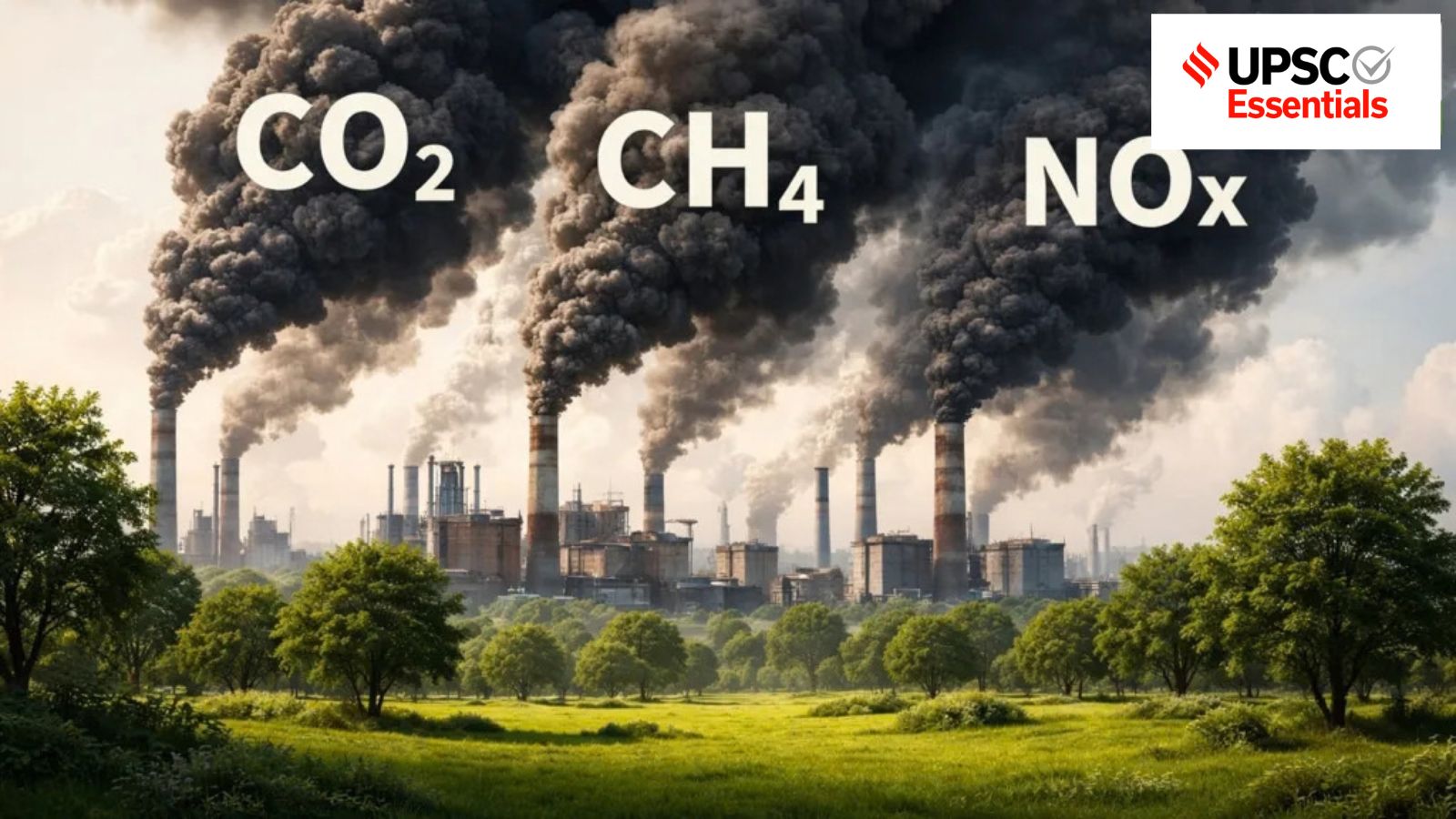
Short-lived climate pollutants (SLCPs) play a significant role in global warming and air pollution. According to the IPCC's 2018 report, reducing SLCP emissions could help prevent over half a degree of warming by 2050 and more than half of the projected Arctic warming during the same period. These pollutants, which include black carbon, methane, ozone, hydrofluorocarbons, hydrochlorofluorocarbons, and aerosols, have lifespans ranging from a few days to two decades, making them more potent than carbon dioxide in the short term.
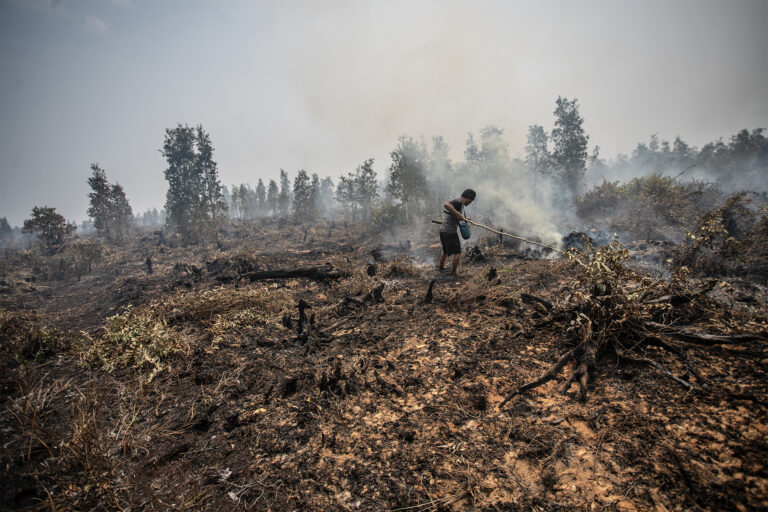
Black carbon, primarily caused by incomplete combustion of biomass, fossil fuels, and agricultural waste, is a major contributor to poor air quality and melting of snow and ice in the cryosphere. Methane, generated during agricultural activities and fossil fuel extraction, has around 80 times the warming potential of CO2 in the first 20 years of its atmosphere presence.
HFCs, used in cooling equipment, can have hundreds to thousands of times more warming impact than CO2, with their emissions potentially increasing due to global demand for cooling. Ozone, both in the stratosphere and troposphere, can harm human health and agriculture. In India, air pollution is a severe issue, responsible for an estimated 1.67 million deaths in 2019 and an economic loss of US$36.8 billion annually.
Black carbon, a dominant SLCP in India, accelerates glacier melting, threatening water security for the country's major rivers and their respective basin ecosystems.
Written by urgent.news from The Indian Express's reporting — not their text. Machine-written — may contain errors; check the original before relying on it.