WaveSave and its portable rubber dam
As sea levels rise and flood risks worsen due to global warming, WaveSave’s easy-to-erect portable dam offers a quick-response tool. People can use the dam to protect themselves and their property, and it can also store freshwater for later use. Communities in Europe, Africa, and Southeast Asia have deployed it successfully. Now, the company is…
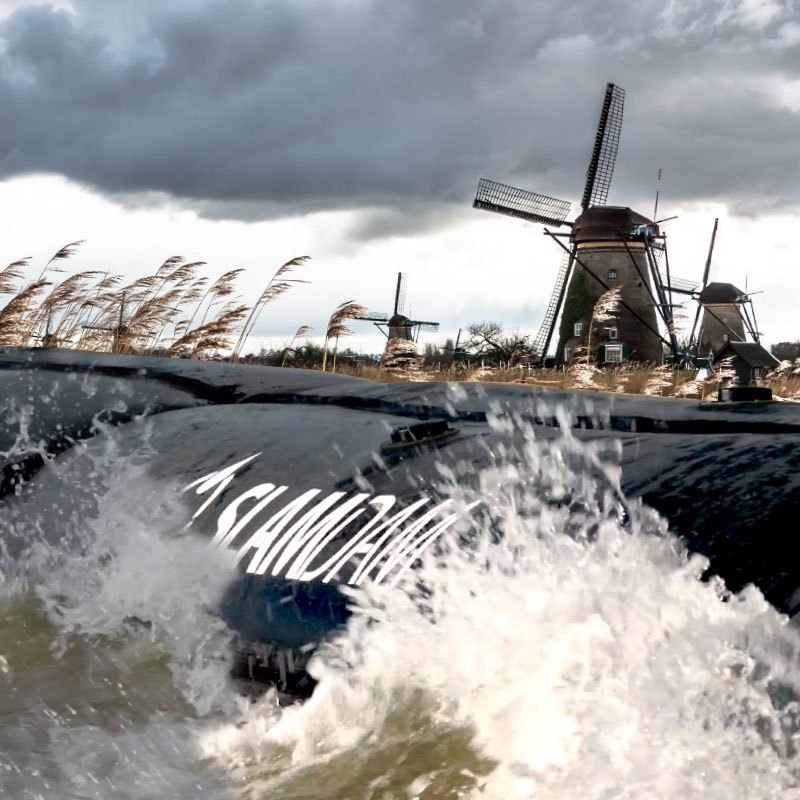
Sea levels are rising and flood risks are increasing due to global warming. WaveSave, a company founded in 2017 in Eindhoven, Netherlands, offers a solution called the portable rubber dam SlamDam. This easy-to-erect dam can be quickly deployed to protect people, property, and critical facilities from flood damage. The dam can also collect and store freshwater for later use.
WaveSave has successfully deployed SlamDams in various regions, including Europe, Africa, and Southeast Asia. By 2100, nearly 2 billion people are projected to be exposed to floods, up from 2020 due to climate change and population growth. A SlamDam is designed to shield farmland, personal property, and essential facilities like hospitals and water treatment plants.
It is cheaper than permanent flood protection measures and can be reused multiple times. During floods, locals can use the stored water for irrigation, especially helpful in regions prone to drought. The company faces challenges in gaining widespread adoption, particularly in developing countries due to ownership and upfront cost concerns.
WaveSave aims to address these issues by offering SlamDam as a service and establishing local production facilities in Southeast Asia and East Africa to reduce costs. The company currently has only seven employees and is self-financed, with plans to grow organically by investing profits into the business and providing comprehensive water management solutions.
Written by urgent.news from MIT Technology Review's reporting — not their text. Machine-written — may contain errors; check the original before relying on it.