US-Iran war, Trump tariff threat: Why India can't take its high growth for granted
While India’s domestic growth story stays resilient, the external sector risks continue, and with mounting impact and ripple effects. As the Department of Economic Affairs notes, global conditions have turned unfavourable again. Oil prices have spiked in September. Global bond yields have moved sharply higher and continue to climb.
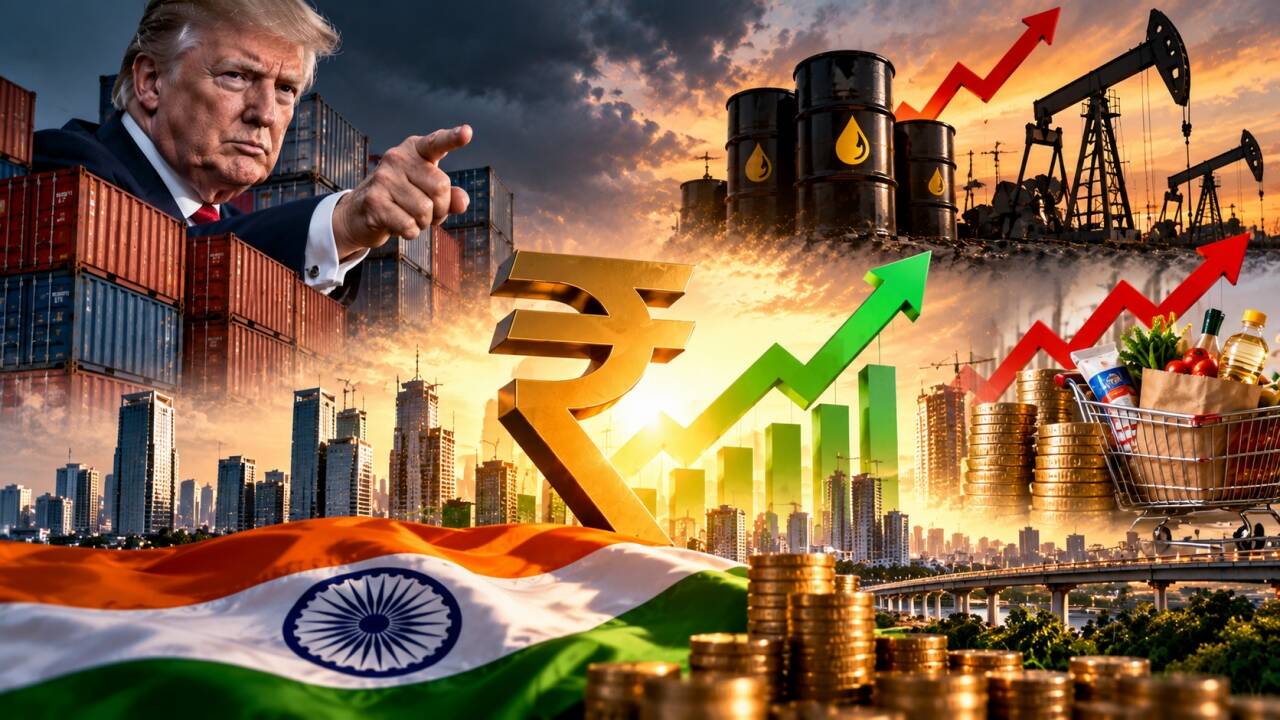
India has maintained its title as the fastest-growing major economy, despite the US-Iran war posing significant risks. The country's resilience is evident through record high foreign exchange reserves, robust industrial production, and growing automobile sales. However, several challenges remain. Foreign investors are withdrawing money at an unprecedented rate, the rupee has hit new lows, and oil prices have surpassed $100 per barrel, causing inflationary pressures.
The Department of Economic Affairs' latest monthly review emphasizes that India cannot afford to take its growth for granted, stating, "Geopolitical and geo-economic uncertainty mean that India cannot afford to rest on its post-Covid growth laurels. It has to be earned every quarter."
The main risks to India's growth story include a sustained increase in crude oil prices above $100 per barrel, which would worsen inflation and the current account deficit; geopolitical tensions leading to supply chain disruptions and higher logistics costs; persistent global inflation delaying monetary easing by major central banks; and tightening global financial conditions resulting in capital flow volatility and pressure on domestic interest rates.
Moreover, a prolonged global slowdown could dampen India's merchandise exports and private investment sentiment. The government's gross tax revenues in the first five months of 2026-27 have grown at a below-average rate of 6.5%, raising concerns that this trend may continue, potentially constraining the government's capital expenditure growth momentum.
Additionally, the US could impose up to 100% tariffs on crude oil imports from Russia under the Graham Bill, further complicating India's trade relations with the United States. Foreign investors' interest in India is also declining, with the AI bubble failing to deflate and developed countries competing to secure investments amid weaponization of global supply chains.
Written by urgent.news from Times of India's reporting — not their text. Machine-written — may contain errors; check the original before relying on it.