UP government orders hospital pharmacies to display purchase, sale prices of medicines from Nov 1
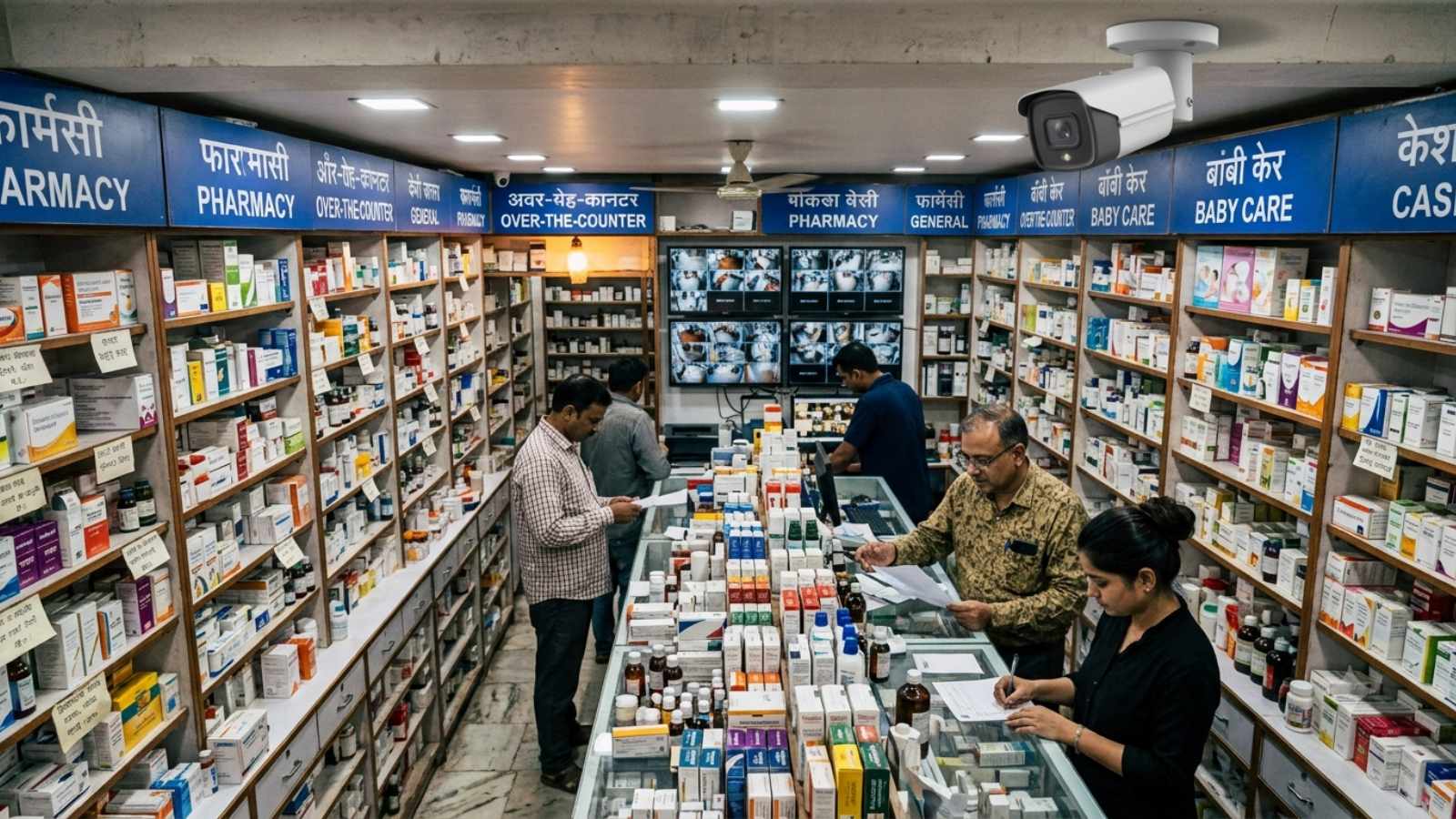
The Uttar Pradesh Food Safety and Drug Administration (UPFSDA) has mandated hospital pharmacies in the state to display the actual costs of procuring and selling medicines starting from November 1. Additionally, all retail pharmacies are required to establish public websites detailing their license numbers, appointed pharmacists, licensed premises, and inventory.
This initiative aims to enhance price transparency, especially in hospital pharmacies where patients may have limited options. The UPFSDA has cited the cost-plus pricing model used in some government medical colleges for expensive medications, such as cancer drugs, high-end antibiotics, and costly injections, which ties patient prices to the hospital's procurement costs rather than the printed MRP.
Concerns have been raised about hospitals charging up to 67 times the procurement price of medicines to patients. The UPFSDA has written to the National Pharmaceutical Pricing Authority (NPPA) requesting a review of drug trade margins, MRP fixation, and price controls on high-margin medicines and medical devices. Inspections of over 200 pharmacies in 22 medical colleges and 30 government and private hospitals across the state revealed significant disparities between the price paid by hospitals (PTR) and the price charged to patients.
The UPFSDA argues that patients should benefit from the substantial discounts typically obtained by hospitals from manufacturers and suppliers. The department has also highlighted situations where identical medicines from the same brand and manufacturer have varying MRPs for institutional purchases compared to retail. The UPFSDA is urging the NPPA to consider capping trade margins on high-MRP medicines and medical devices after evaluating margins throughout the supply chain.
It has also proposed adopting a rationalized system for setting MRPs that takes into account manufacturing costs and permissible post-manufacturing expenses. Furthermore, the department recommends incorporating high-margin medicines supplied to hospitals within the price-control framework of the Drugs and Cosmetic (Price Control) Order of 2013.
The UPFSDA seeks stronger enforcement of DPCO provisions, including treating violations under the Drugs and Cosmetics Act. The department emphasizes that the issue extends beyond pharmacy margins, focusing on transparency in the drug supply chain and ensuring patients receive the advantages of institutional procurement.
Written by urgent.news from The Indian Express's reporting — not their text. Machine-written — may contain errors; check the original before relying on it.