Environmental policy: Federal government significantly cuts international climate financing
The federal government is providing less money for climate protection internationally. Will the private commitments and more loans be enough to achieve the targets set?
Berlin - The German government has significantly reduced its international climate financing from budget funds for 2025, failing to meet previous commitments. According to the Development and Environment ministries, €4.7 billion was provided in 2023 for climate protection and adaptation in developing and emerging countries, down from €6.1 billion in 2024, a decline of nearly 23%.
This reduction in state subsidies is partly offset by an increase in mobilized loans and private investments, reaching €6.1 billion. The total German contribution thus stands at around €10.8 billion, compared to €11.6 billion the previous year. However, the government considers this a slight reduction, as the state funds are actually grants, while mobilized funds are largely repayable loans.
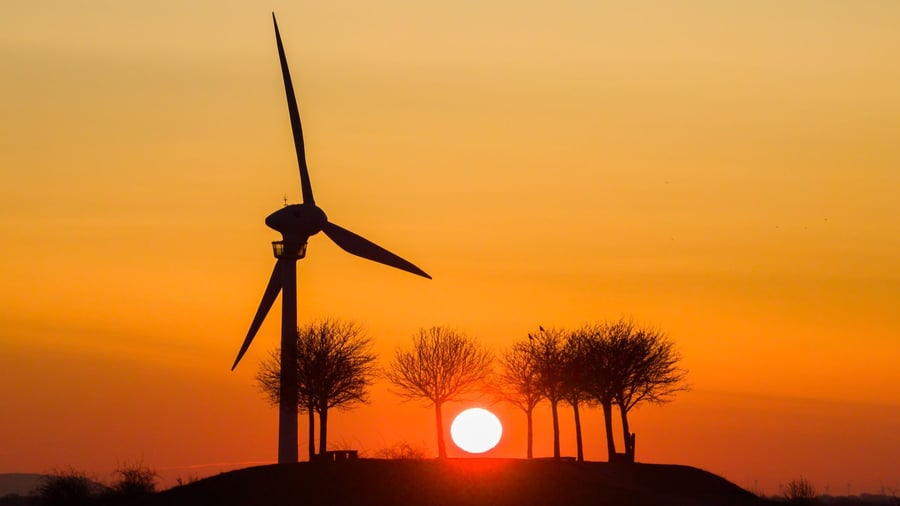
Development Minister Reem Alabali Radovan explained that in times of shrinking public budgets, they increasingly rely on leveraging in the capital market and private investments. Environment Minister Carsten Schneider (both SPD) added that they want to further expand the toolbox for climate-friendly investments. Mobilized funds are taken up on the capital market by the Development Bank KfW and issued as loans for projects like solar and wind parks in the Global South. More: Germany threatens climate penalties of up to €38 billion if targets are missed.
Written by urgent.news from Handelsblatt's reporting — not their text. Machine-written — may contain errors; check the original before relying on it.