UAE introduces new salt, sugar and fat limits in food products with penalties of up to Dh500,000
The UAE has begun a nationwide push to cut the amount of salt, sugar and fat in some packaged foods to help improve their nutritional value, as well as tackling obesity and other conditions linked to an unhealthy diet. The Ministry of Health and Prevention said it would introduce the caps in phases, with the final limits due to take effect by December 31, 2030. The resolution, approved on…
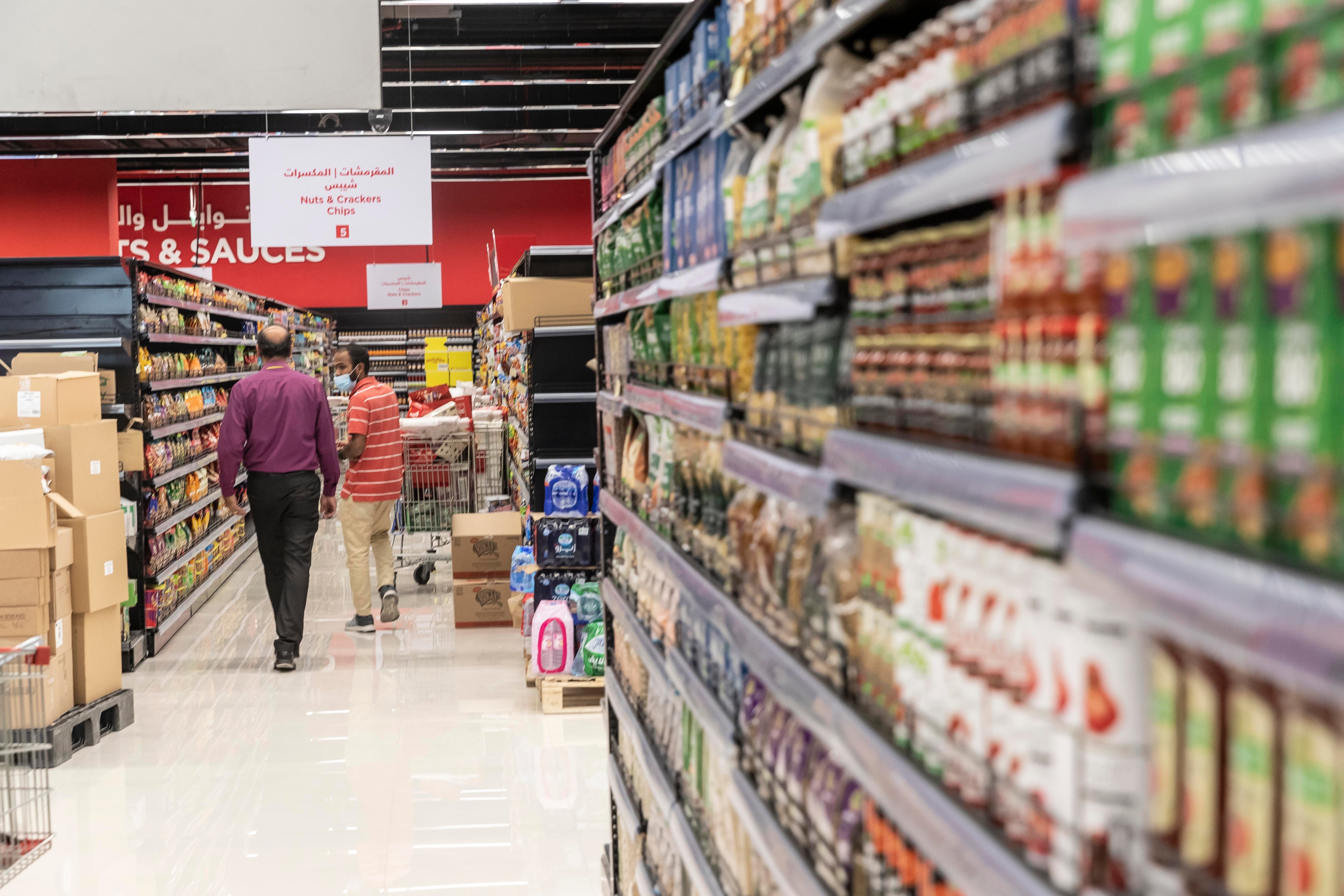
The United Arab Emirates has launched a nationwide initiative to reduce the levels of salt, sugar, and fat in packaged foods, aiming to enhance nutritional value and combat obesity-related health issues. The Ministry of Health and Prevention has announced the phased implementation of these restrictions, with the final limits set to be enforced by December 31, 2030.
This resolution applies to both locally manufactured and imported packaged foods, as well as establishments within the UAE that handle these products, including free zone companies. However, it does not cover food exported for international trade unless it's later traded within the UAE.
Non-compliance with the resolution may result in administrative penalties, including warnings, fines ranging from Dh5,000 to Dh500,000 ($1,360 to $136,147), up to six months of suspension, or the revocation of licenses or approvals. Federal and local health authorities, along with other agencies, are responsible for enforcing the regulations and ensuring companies adhere to the new standards.
The phased approach allows manufacturers and businesses to adapt their products and operations gradually. Products already on the market before the new requirements can remain available for up to one year or until their expiry date, whichever is longer. The regulations set maximum levels for salt, sugar, and fat per 100 grams of each product in two phases.
For leavened bread, the first phase permits up to 444 milligrams of sodium, 6 grams of total sugars, and 8.4 grams of total fat, which will be lowered in the second phase to 370mg of sodium, 5 grams of total sugars, and 7 grams of total fat. Similarly, flatbread initially allows 384mg of sodium, 6 grams of total sugars, and 8.4 grams of total fat, with the limits reducing to 320mg of sodium, 5 grams of total sugars, and 7 grams of total fat in the final phase.
The initiative also extends to sweetened milk drinks, where the maximum sugar content is set to be 9.6 grams in the first phase, dropping to 8 grams in the final phase. Sweetened or flavored yoghurt and laban will have a first-phase sugar limit of 12 grams per 100 grams, reducing to 10 grams in the final phase. Salted snacks like crackers and nuts and seeds will have their sodium limits decreased from 696mg to 580mg per 100g in the first phase and down to 280mg in the final phase, respectively.
Pretzels will see a sodium reduction from 912mg to 760mg, while potato-based snacks will have a limit lowered from 564mg to 470mg. For processed cheese, the sodium limit will decrease from 864mg to 720mg in the first phase and further to 1 gram in the final phase. Businesses handling these products will have up to nine months to comply with the first-phase limits, followed by the need to meet the final limits by December 31, 2030.
Companies dealing with the second group of products will have up to two years and three months to meet the first-phase limits, with all limits to be fully implemented by the same deadline. Exception applications, if warranted, must be submitted within 30 days of the resolution's enactment, accompanied by technical details, nutrition labels, and lab test results. Even with approval, companies must still aim to meet the maximum limits by December 31, 2030.
Written by urgent.news from The National Business's reporting — not their text. Machine-written — may contain errors; check the original before relying on it.
This story
This is one outlet's version. Read the fullest account.