Three key insights you may have missed from theCUBE’s coverage of the Supermicro Open Storage Summit interview series
AI storage strategy is taking on a larger role as enterprises move from successful experiments to systems that must deliver dependable business results. How organizations store, serve and manage data increasingly shapes the performance, cost and practicality of artificial intelligence deployments. The challenge extends beyond choosing faster hardware. Evolving workloads require enterprises to…
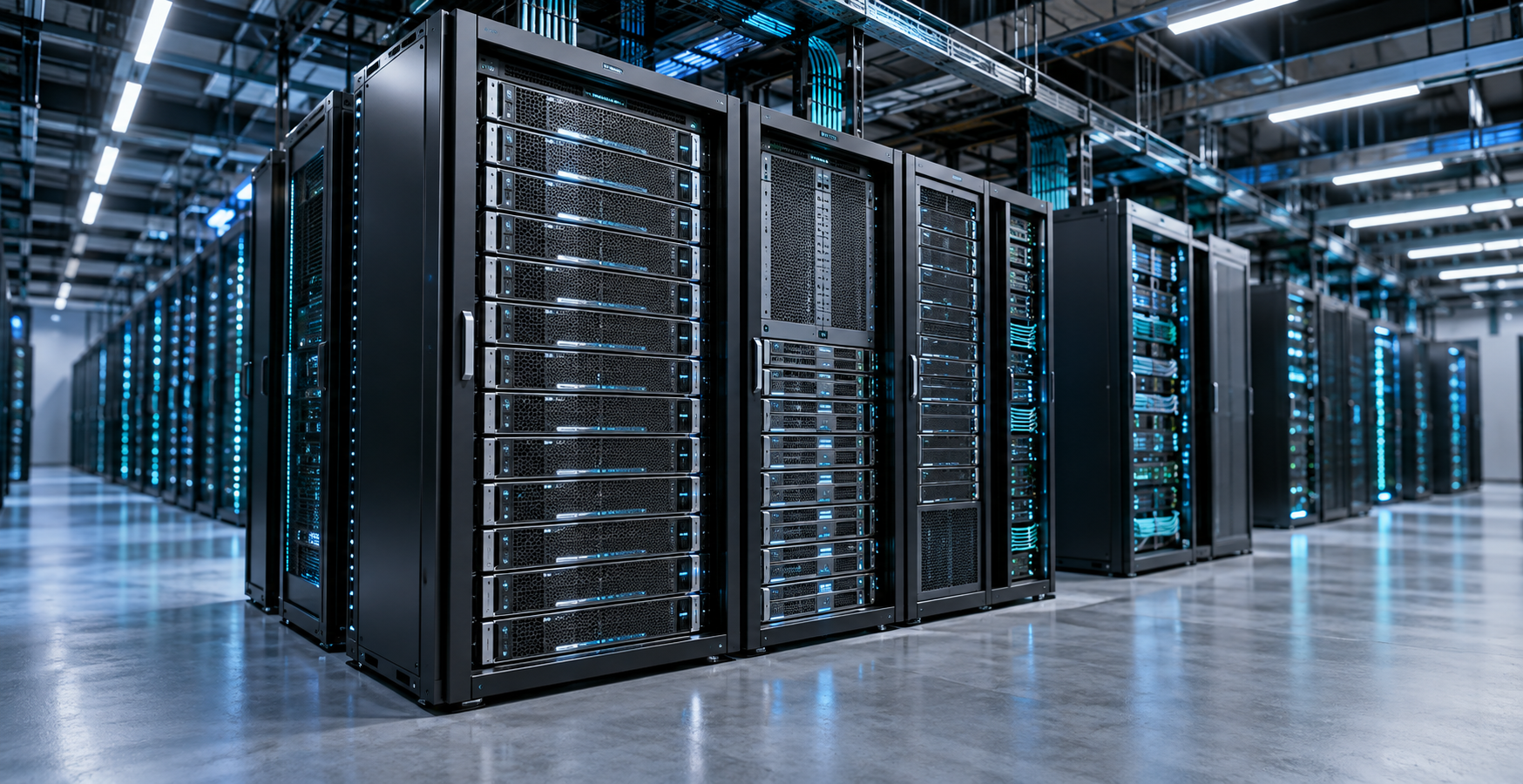
Three key insights emerged from theCUBE's coverage of the Supermicro Open Storage Summit interview series regarding the evolution of AI storage strategies. Firstly, keeping graphics processing units productive in AI deployments requires storage that can serve active workloads quickly while accommodating growing volumes of less frequently accessed data. A balanced approach between performance and capacity tiers is crucial, with enterprise AI storage strategies focusing on driving utilization as high as possible.
Secondly, the demand for storage that can handle intermediate calculations used during inference is on the rise due to expanding agent contexts. When key-value caches outgrow GPU memory, additional tiers must be implemented to balance capacity with fast access. Solidigm Inc.'s flash drives, Super Micro Computer Inc.'s integrated systems, and Vast Data Inc.'s data platform all contribute to supporting this evolving hierarchy.
Lastly, production infrastructure must support business decisions made by organizations, particularly in financially-driven sectors like financial services. Data processing speed can impact risk assessment and capital availability. Efficient movement of data back and forth is essential to unlock capital, as demonstrated by companies like BlackRock and State Street. Additionally, building a production foundation requires coordination across the organization, focusing on operationalization rather than just models.
Written by urgent.news from SiliconANGLE's reporting — not their text. Machine-written — may contain errors; check the original before relying on it.