The telescope that could reveal what dark matter and dark energy are
The Roman telescope is NASA’s newest space observatory. Every 10 months, it will get the equivalent of about 1000 years' worth of Hubble observations. Will it find the answers to our questions about dark matter and dark energy?
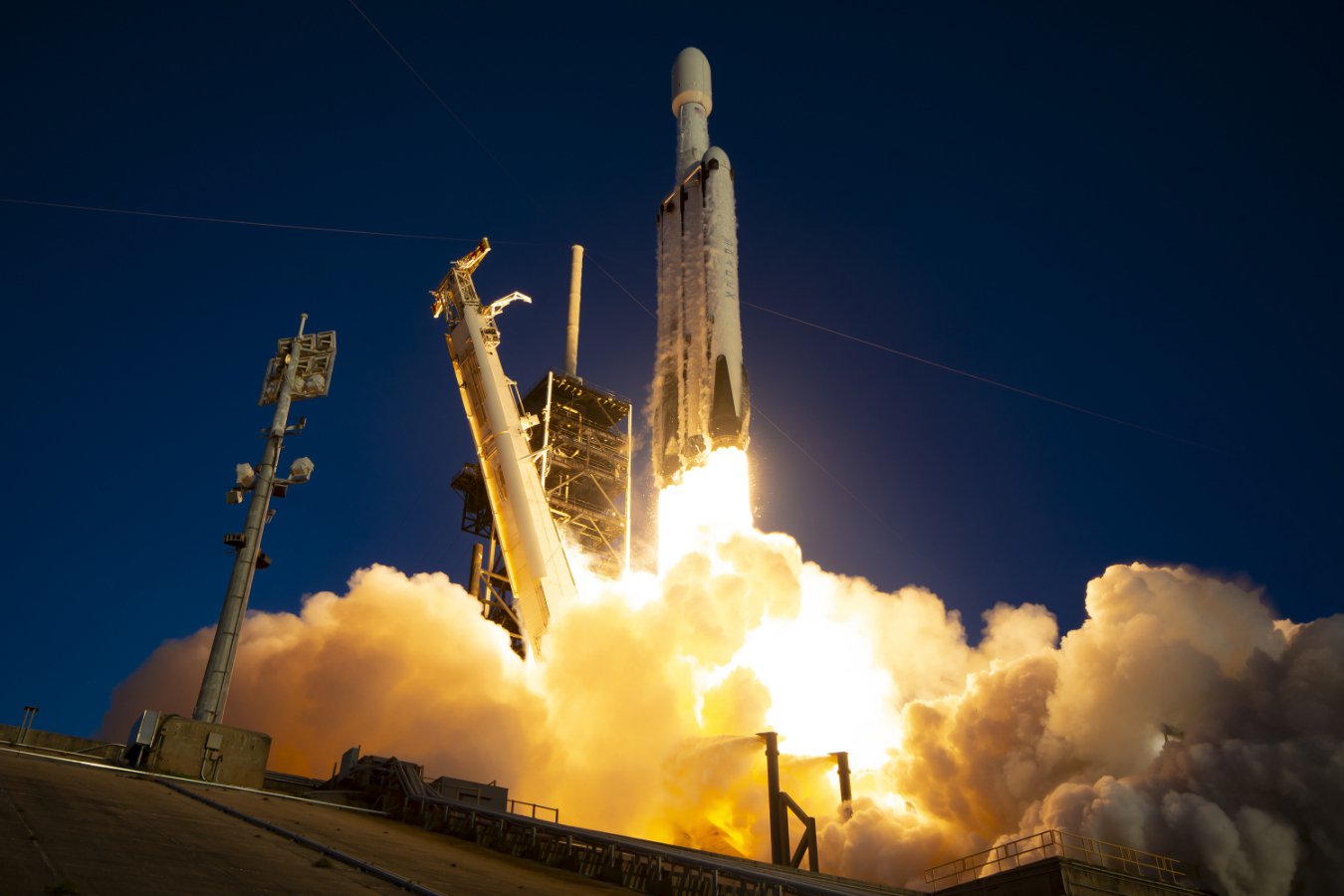
NASA launched the Nancy Grace Roman Space Telescope on August 30th, marking the debut of a cutting-edge piece of technology. Much larger than Hubble Space Telescope, Roman boasts a broader field of view, allowing it to observe approximately 12 percent of the sky during its five-year mission. This expansive view surpasses Hubble's 0.1 percent coverage over 35 years, ushering in a new era of cosmic exploration.
Roman's primary mission aims to shed light on dark matter and dark energy, which together comprise about 95 percent of the universe. While indirect evidence suggests their existence, the precise nature and functions of these elusive entities remain shrouded in mystery. The telescope's 300-megapixel camera, activated two weeks post-launch, captured its first photons of starlight, producing fuzzy green rings and a mosaic of out-of-focus stars.
Kristen McQuinn, head of the mission office, describes this initial image as merely the beginning, with further stages involving camera focusing, guidance system activation, and the unveiling of remarkable discoveries that could unravel profound cosmic secrets.
Written by urgent.news from New Scientist's reporting — not their text. Machine-written — may contain errors; check the original before relying on it.