The Nazi nuke: Werner Heisenberg was more off target than believed
Using nuclear archaeology, scientists have found that the Nobel laureate may have grossly overestimated his team’s ability to build a nuclear weapon by 1945
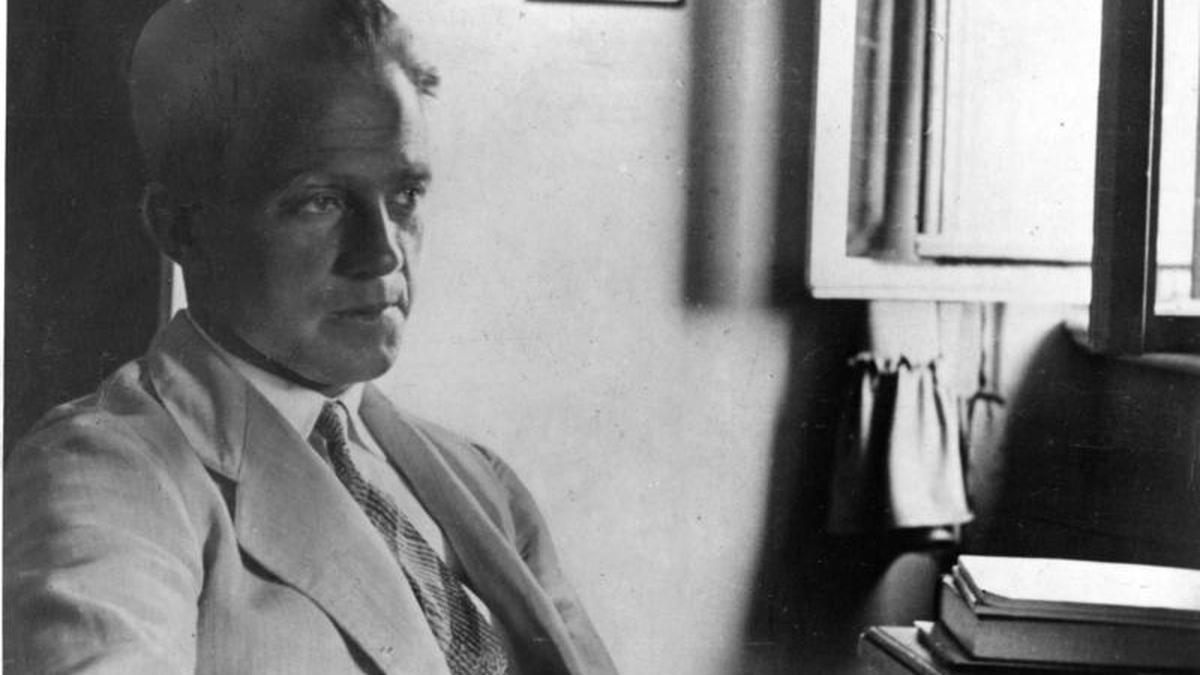
Werner Heisenberg's nuclear reactor project in Nazi Germany was a significant undertaking, but a new study suggests it fell far short of its intended goal. The research, published in PNAS Nexus, reveals the reactor, known as the B8 pile, never reached critical mass. Researchers analyzed the density and composition of materials used in the reactor and concluded it lacked the necessary components to sustain a chain reaction.
The study also highlights the stark contrast between Nazi Germany's efforts and the United States' Manhattan Project, which successfully developed the first atomic bomb. Factors such as industrial capacity, technological advancements, and access to key resources appear to have been decisive in the success of the U.S. program. The findings challenge previous assumptions about Heisenberg's team's progress and underscore the complex interplay of scientific, political, and logistical factors in the race to build the atomic bomb during World War II.
Written by urgent.news from The Hindu - Sci-Tech's reporting — not their text. Machine-written — may contain errors; check the original before relying on it.