The Ghosts That Haunt Egypt
The el-Sisi regime has been trying to erase the promise of the 2011 revolution. Many Egyptians remember its hopes, its dead, and its prisoners.
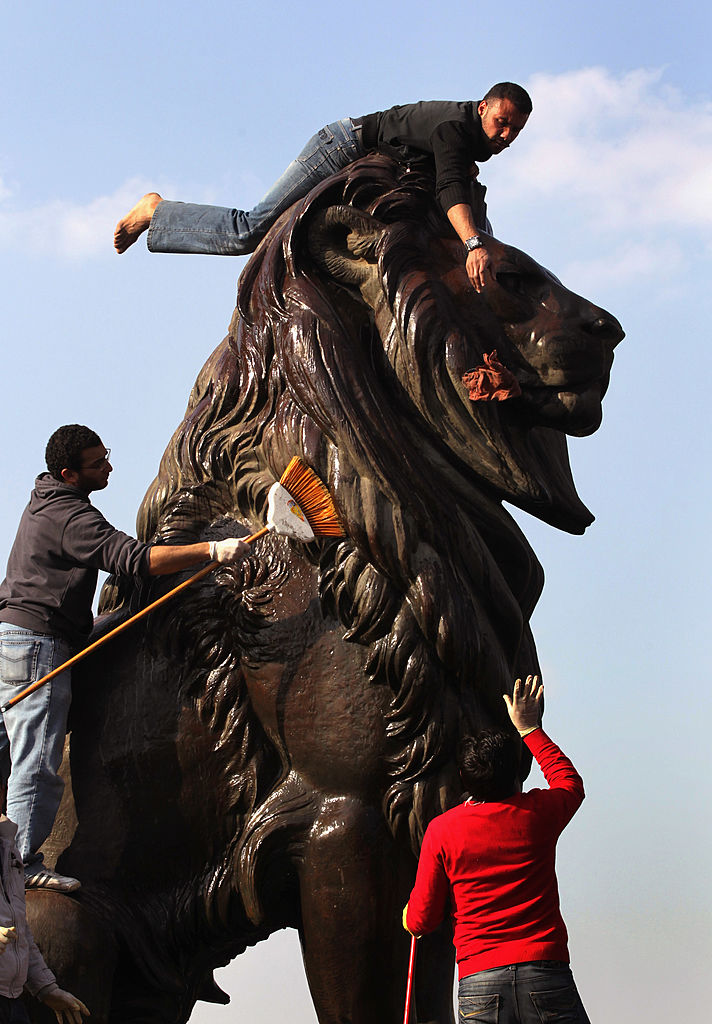
The weight of history still looms over Egypt, even as its people strive to forge a new path. Two decades after the revolution that toppled President Hosni Mubarak, the scars remain deep. The country is haunted by four specters that have shaped its trajectory since the dawn of its modern era.
The first haunting is the Eagle Family, a term that encapsulates the military and security apparatus that has governed Egypt since the 1952 coup. Since then, the military and its allies have maintained a grip on power, often justified by claims of safeguarding the country's national interest. This elite group, bolstered by a centuries-old tradition, has become synonymous with the state and its security apparatus.
However, the foundation of this power structure was shaken when Egyptians took to the streets in January 2011, demanding change after decades of repression. The revolution, which ousted Mubarak, shattered the Eagle Family's hold on the nation, leaving them feeling betrayed and humiliated.
The second haunting is the aftermath of the Rabaa massacre in August 2013, where security forces opened fire on protesters gathered at the Rabaa al-Adawiya mosque in eastern Cairo. In this tragic event, hundreds were killed, and many more were injured. The violence against peaceful demonstrators, including friends and family, has left a deep emotional scar on the Egyptian people.
In the aftermath of the massacre, the military and police unleashed a brutal campaign of repression, clamping down on dissent and arresting thousands of activists, including the author of this piece. This second haunting has fueled a sense of anger and resentment towards the military regime, further entrenching the divide between the ruling elite and the Egyptian populace.
The third haunting is the ongoing economic turmoil that has gripped Egypt since the revolution. With the collapse of the state's once-powerful economy, millions of Egyptians have been left jobless, impoverished, and desperate. The economic implosion has exacerbated the social and political tensions that have long plagued the country, making it even more challenging for the government to maintain control.
The fourth haunting is the cultural and historical trauma that pervades Egyptian society. The revolution's ideals of freedom, justice, and democracy have been overshadowed by the brutality and authoritarianism of the military regime. The memory of the protests and the bloodshed that ensued has left an indelible mark on the collective consciousness of the Egyptian people, making it difficult for them to envision a future without the specter of tyranny looming over their heads.
As the ghosts of Egypt's past continue to haunt the present, the country struggles to find a way forward. The road to healing and reconciliation is long and arduous, but it is a journey that the Egyptian people must undertake if they are to build a more just and equitable society.
Written by urgent.news from Time's reporting — not their text. Machine-written — may contain errors; check the original before relying on it.