The first-ever iPhone cost $499 at launch, half what a popular DLSR cost at the time. The iPhone costs a lot more today, but cameras don't – yet it's cameras that need to worry!
The iPhone cost $499 when it arrived in 2007, but its 2MP camera didn't trouble the popular Canon Digital Rebel. Now the iPhone costs a lot more, but it can challenge the camera
In 2007, the original iPhone debuted at a price of $499, significantly cheaper than the then-expensive DSLR cameras. Today, the price of a quality camera has remained relatively unchanged, with a Digital Rebel XTi selling for $899 in 2007, equivalent to $1,445 when adjusted for inflation. Conversely, the modern Sony ZV-E10 II, a similar camera, is available for $1,099, despite inflation.
Despite this, the iPhone's camera has become increasingly impressive over time. Initially, the first iPhone's camera featured a meager 2-megapixel resolution of 1600 x 1200 pixels, with poor low-light capabilities and no digital zoom. Moreover, it lacked autofocus and digital zoom functionality within the standard camera app.
At the time, there were no social media apps such as Instagram, Snapchat, or TikTok available. The iPhone's camera was initially positioned as a novelty rather than a serious photography tool. The absence of an App Store meant that content creation was limited at the time.
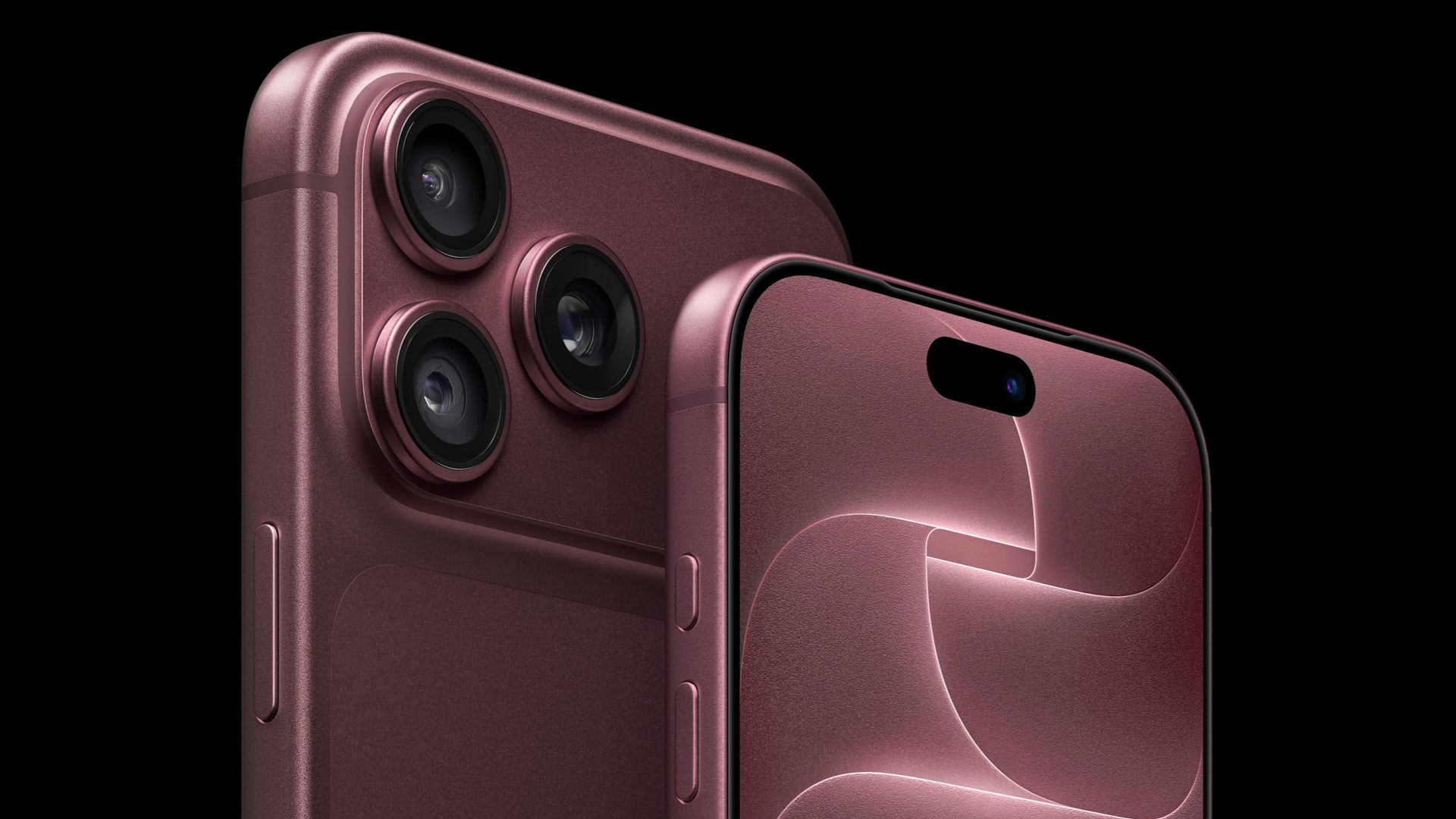
Today, the iPhone 18 Pro, priced at $1,199, boasts a 48-megapixel main camera with a variable aperture and a 4x native telephoto lens. It also features advanced capabilities like Center Stage front camera, ProRes RAW, Log 2 video recording, and Night Mode. These features have made the iPhone a formidable competitor to high-quality cameras for many content creators.
The rise in the iPhone's camera quality has made images more readily available for sharing and editing on the phone. Consequently, for many creators, the choice between using a superior camera and the convenience of the iPhone has become a matter of "good enough" versus "good."
Written by urgent.news from Digital Camera World's reporting — not their text. Machine-written — may contain errors; check the original before relying on it.