THE CONVERSATION: Do pimple patches actually work? Here’s what the science says
Pimple patches may improve a spot overnight, yet irritation risks and weak evidence suggest they’re likely not a substitute for acne treatment.
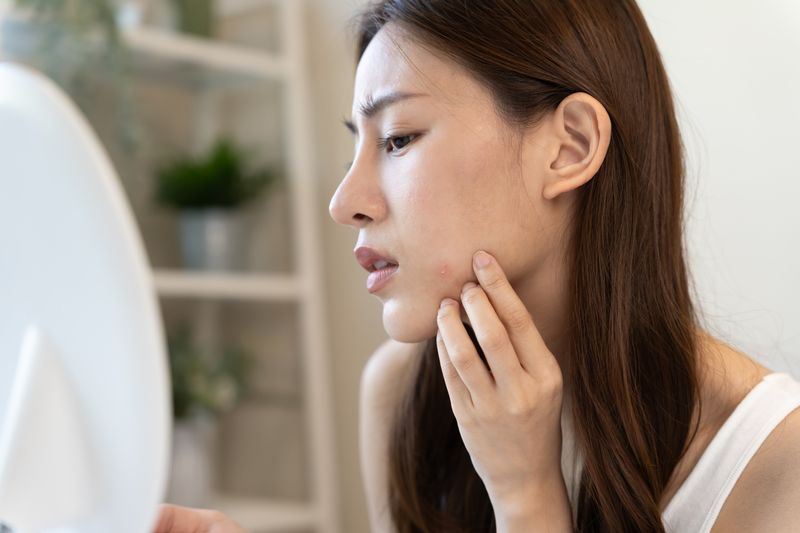
Pimple patches have become a trendy skincare product, but do they actually live up to their promises? These patches, made from hydrocolloid material, are designed to flatten pimples overnight. But the science behind them is mixed. While some studies show promising results, the evidence is still limited and mostly comes from small, industry-funded trials involving their own products.
One trial found that applying a patch to a pimple that had already been popped improved its appearance in a day, and another study saw a 35% decrease in pimple size and 44% less redness within two days. However, these studies have limitations such as being small and funded by the companies selling the patches. Pimple patches work best on pimples with a visible white or yellow head due to the pus being close to the skin's surface.
They act as a physical barrier and can help prevent further infection, but they don't work well for deep, painful cystic pimples. People with darker skin tones should be cautious as irritation may increase the risk of dark marks after a pimple heals due to higher melanin production. If patches aren't improving your pimples after a few weeks or if they're deep, painful, or causing scars, it's best to seek professional help from a GP or dermatologist.
Written by urgent.news from Daily Maverick's reporting — not their text. Machine-written — may contain errors; check the original before relying on it.