The bone–blood sugar connection: What osteocalcin has to do with glucose control
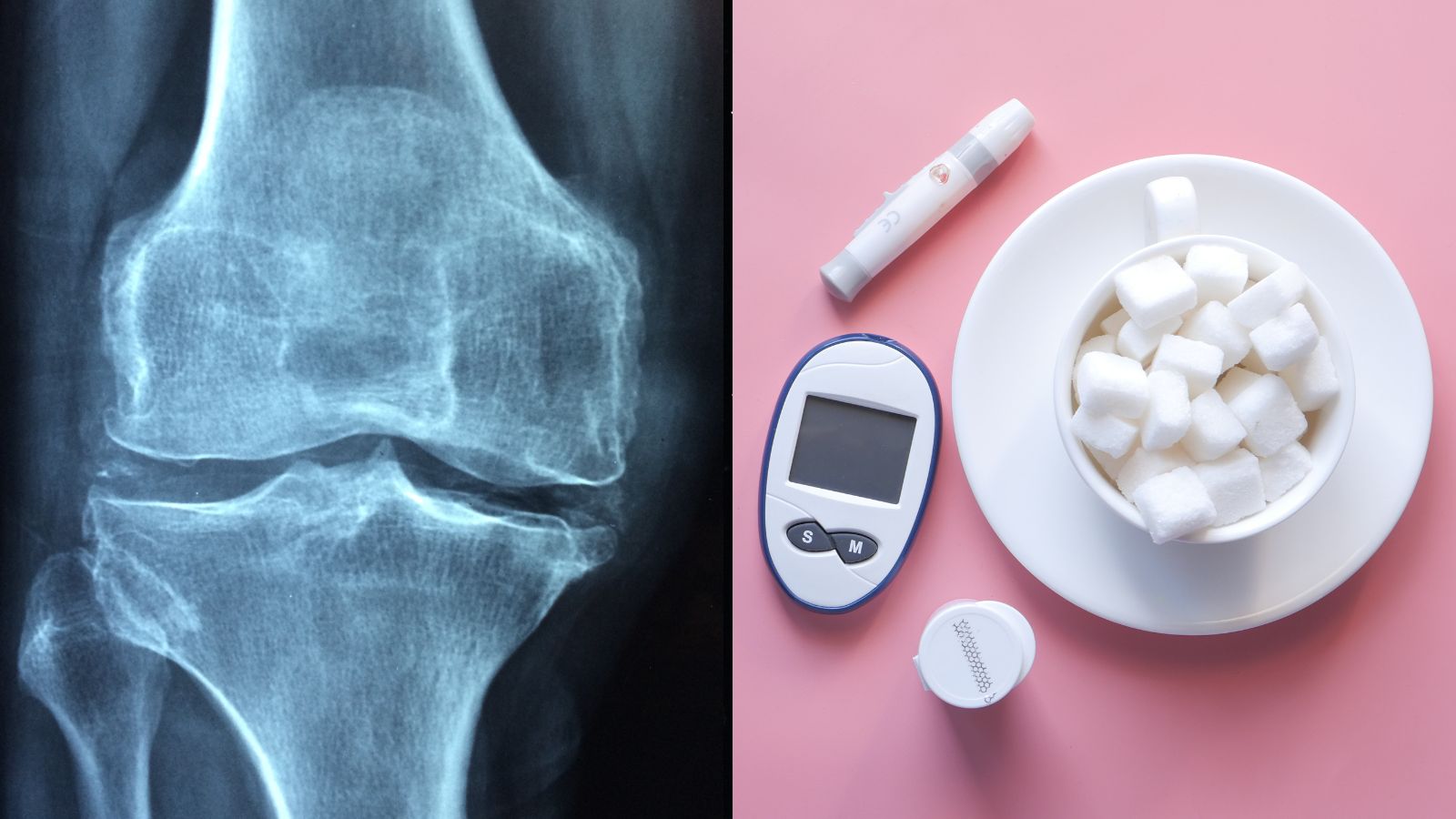
Osteocalcin, a protein produced by bone-forming cells called osteoblasts, has been shown to influence blood sugar regulation, according to Dr Raju Vaishya, a senior consultant orthopaedic surgeon. In its undercarboxylated form, osteocalcin may affect pancreatic beta-cell function and insulin secretion, creating a potential bone-pancreas feedback loop.
This relationship is supported by animal and cellular research, but human evidence is less conclusive. The connection between bone health and glucose regulation could have implications for understanding metabolic health, particularly in individuals with changes in bone health or blood sugar levels. However, the existence of a biological link does not mean that bone health directly determines blood glucose levels.
Researchers have found a two-way association between metabolic dysfunction and skeletal health, with people with type 2 diabetes having a higher risk of fragility fractures. Insulin resistance, inflammation, and changes in bone turnover may impair bone quality, while bone-derived signals like osteocalcin may influence glucose metabolism.
The strongest conclusion is that bone and glucose metabolism communicate biologically, but common metabolic and lifestyle factors likely explain most of their clinical association. People can support both bone and metabolic health through resistance and weight-bearing exercise, adequate nutrition, healthy weight management, and good blood sugar control.
Written by urgent.news from The Indian Express - Lifestyle's reporting — not their text. Machine-written — may contain errors; check the original before relying on it.