Tech-centric seamless toll system is the way forward
LETTERS: WE are moving in the right direction in terms of ensuring smoother traffic flow at the toll plazas.
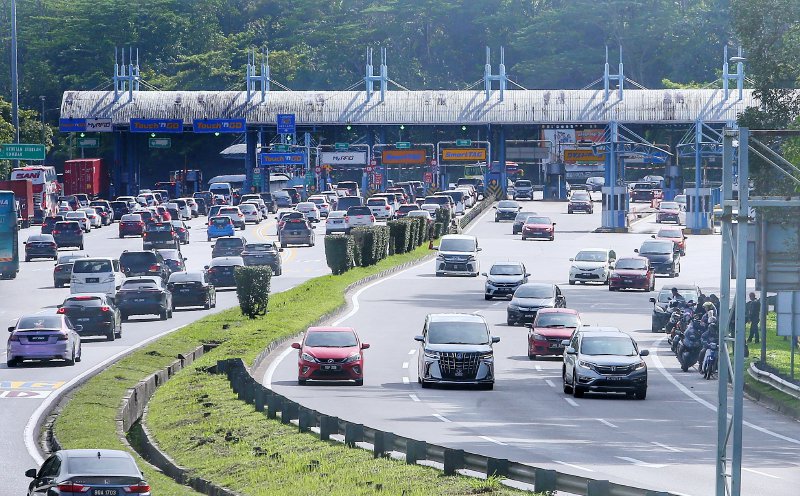
The evolution towards a seamless toll system is gaining momentum in Malaysia. In January, PLUS launched an Automated Number Plate Recognition (ANPR) pilot along the Hutan Kampung–Sungai Dua route, enabling registered users to freely choose any toll lane at nine plazas. This pilot was followed by the expansion of the JustGO system across more toll plazas in the south in July.
Researchers are now exploring Enhanced RFID technology as a precursor to Multi-Lane Free Flow (MLFF), allowing vehicles to pass through without stopping and with overhead gantries identifying vehicles via RFID and number plate recognition.
Singapore's Electronic Road Pricing (ERP) system already seamlessly charges vehicles as they pass pricing points, with ERP 2.0 moving towards satellite-based technology to reduce reliance on physical gantries. The ultimate goal is to achieve payment-neutrality, where motorists need not worry about the type of card, RFID tag, or bank debit card accepted by a lane.
A national back-end system should allow linking a vehicle's number plate to a preferred payment method, whether it's a bank account, credit or debit card, e-wallet, or prepaid account.
Australia's electronic tolling system is a useful example, with motorists able to utilize tags or tagless accounts where number plates are photographed and matched to an account. These Australian tags can also be used nationwide. Malaysia could adopt a "drive first, settle later" approach, ensuring that payment failures do not obstruct traffic.
The system would record the number plate, let the vehicle continue, and notify the registered owner to settle the payment later. Singapore currently offers a five-day grace period for missed ERP charges, while New South Wales allows up to 72 hours for motorists without an account or pass to settle the toll, treating payment failure as an administrative issue rather than a traffic obstruction.
Technology must be backed by robust service standards. Every gantry should have backup detection systems and real-time monitoring. Japan's Electronic Toll Collection (ETC) system, specifically designed for toll-free vehicle payment, has helped reduce congestion at toll gates. Japan has also expanded ETC-only toll gates, and South Korea's Hi-Pass uses wireless communication between in-vehicle units and roadside equipment to enable non-stop electronic payment.
However, Malaysia has already shown that ANPR, enhanced RFID, and open payment systems can work together. The next step is to integrate these technologies into one reliable national tolling architecture, in line with the 13th Malaysia Plan and Malaysia Digital Action Plan 2030, which aim to build a robust and sustainable digital ecosystem.
Written by urgent.news from New Straits Times's reporting — not their text. Machine-written — may contain errors; check the original before relying on it.