Takaichi defends absence from ‘last-minute’ G7 online call after criticism
A post by the prime minister on social media suggested that short notice and an agenda focused on diesel prices in Europe and the U.S. were factors.
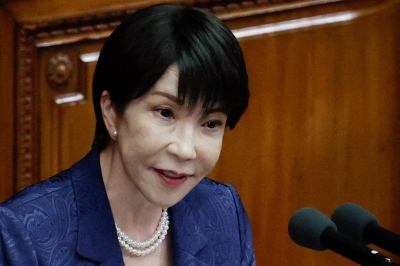
Prime Minister Sanae Takaichi defended her absence from a Group of Seven online meeting, addressing criticism on social media. She explained that the online session was an unexpected gathering led by France, and substitute representatives were permitted to participate. She noted that both the U.K. Prime Minister and European Council President were also absent through their designated substitutes.
Takaichi emphasized that she was at her residence during the meeting, not meeting with anyone, and remained focused on reviewing documents and working independently. Local media confirmed her claim.
In late August, the Nikkei newspaper revealed that Takaichi had largely remained at her residence on weekends and public holidays since assuming office, unlike her predecessors who spent more time at home during these periods. The prime minister did not provide a specific reason for her absence from the meeting, but her post implied that the short notice and the agenda, which centered on coordinating a response to diesel prices in Europe and the U.S., played a role in her decision not to attend.
Takaichi explained that the meeting's outcome was a decision to release 100 million barrels of oil reserves from the collective reserves of the participating countries. However, Japan had already been releasing reserves and had no plans for additional measures at the time. Kazuya Endo, the deputy minister for foreign affairs, served as her substitute during the meeting.
Takaichi also declined to participate in an online session in April on freedom of navigation in the Strait of Hormuz, hosted by France and the United Kingdom. Instead, she sent a written message, and Keiichi Ichikawa, a senior diplomat and secretary-general of the National Security Secretariat, attended in her place.
An analysis of Takaichi's official schedule through July indicated that she interacted with Finance Ministry officials 50% less frequently than the previous two prime ministers and held the fewest Cabinet office meetings among all prime ministers over the past 14 years.
Written by urgent.news from Japan Times's reporting — not their text. Machine-written — may contain errors; check the original before relying on it.