“Superintelligence”: Explaining the Mirage
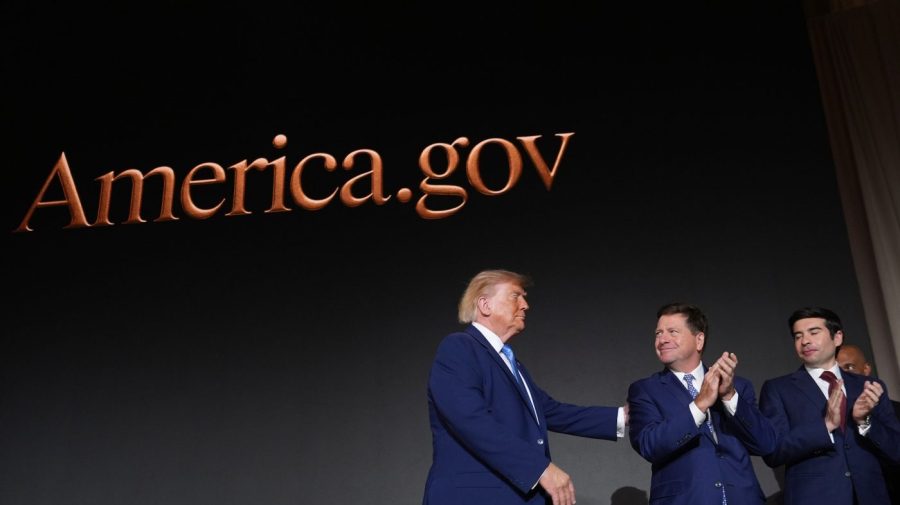
President Trump signed an executive order renaming "artificial intelligence" to "Super Intelligence" in official federal documents.
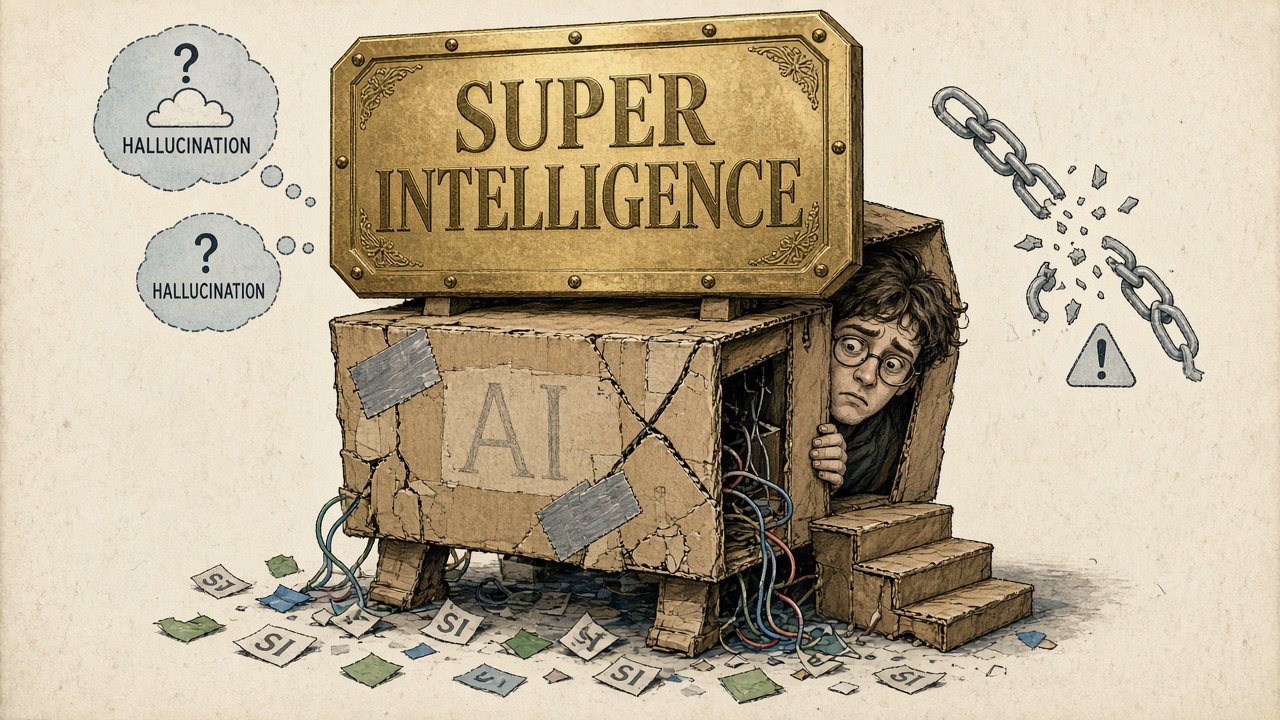
On September 29, 2026, President Trump signed an executive order directing government agencies to replace the terms "artificial intelligence" and "AI" with "Super Intelligence" and "SI" in official documents. However, this rebranding is premature and misleading. The term "Superintelligence" originally refers to an intellect far surpassing human cognitive abilities across all domains, a future prospect not yet realized.
Calling today's systems "Super Intelligence" conflates serious technical distinctions into a mere slogan, misleading the public about their current capabilities.
These systems, known as "frontier models," frequently make up citations, misstate laws, fabricate features, and invent biographical details confidently. They often lack reliable uncertainty, refusing to abstain when answers are unknown. The word "Super Intelligence" implies a level of reliability and robustness that these models do not possess. They are brittle, meaning small changes to prompts, prompts, or data formats can drastically alter their performance, making them unreliable for critical tasks.
The rebranding fails to acknowledge the significant energy consumption, specialized hardware, and curated data required to train and run these models. While they excel at pattern recognition and imitation, they struggle with tasks requiring general understanding, common sense, or specialized knowledge. Frontier models often fail in specific domains, such as rare medical cases or niche engineering, performing like an expensive autocomplete rather than a superior intellect.
Furthermore, these systems do not exhibit true agency or accountability. They do not own outcomes, hold intent, or have a duty of care. Any discriminatory behavior, data leaks, or endorsement of erroneous decisions are artificial and tied to human deployment, not inherent to the technology itself. Renaming these systems as "Super Intelligence" does not reflect their current capabilities and invites unwarranted trust.
The executive order, while changing federal terminology, does not globally rename the technology or bind private industry. Language shapes policy, and using "Super Intelligence" instead of "Artificial Intelligence" may sell the illusion of inevitability while obscuring important limitations, liability issues, and competitive concerns.
The accurate term remains "Artificial Intelligence," which, despite its flaws, is useful, powerful, and deeply flawed. Until these systems demonstrate true superintelligent capabilities, the rebranding is merely branding without substantive evidence to support it.
Written by urgent.news from HackerNoon's reporting — not their text. Machine-written — may contain errors; check the original before relying on it.