Short trade truce can’t paper over realities of US-China relationship
The recent US-China summit yielded a narrow, caution-filled outcome for bilateral trade: a two-month extension of the Kuala Lumpur trade truce, which now expires on January 10 next year. This reprieve eases fears of immediate tariff escalation and shows that head-of-state diplomacy can still curb spiralling confrontation. Yet the short timeline exposes the wide gulf separating the two sides’…
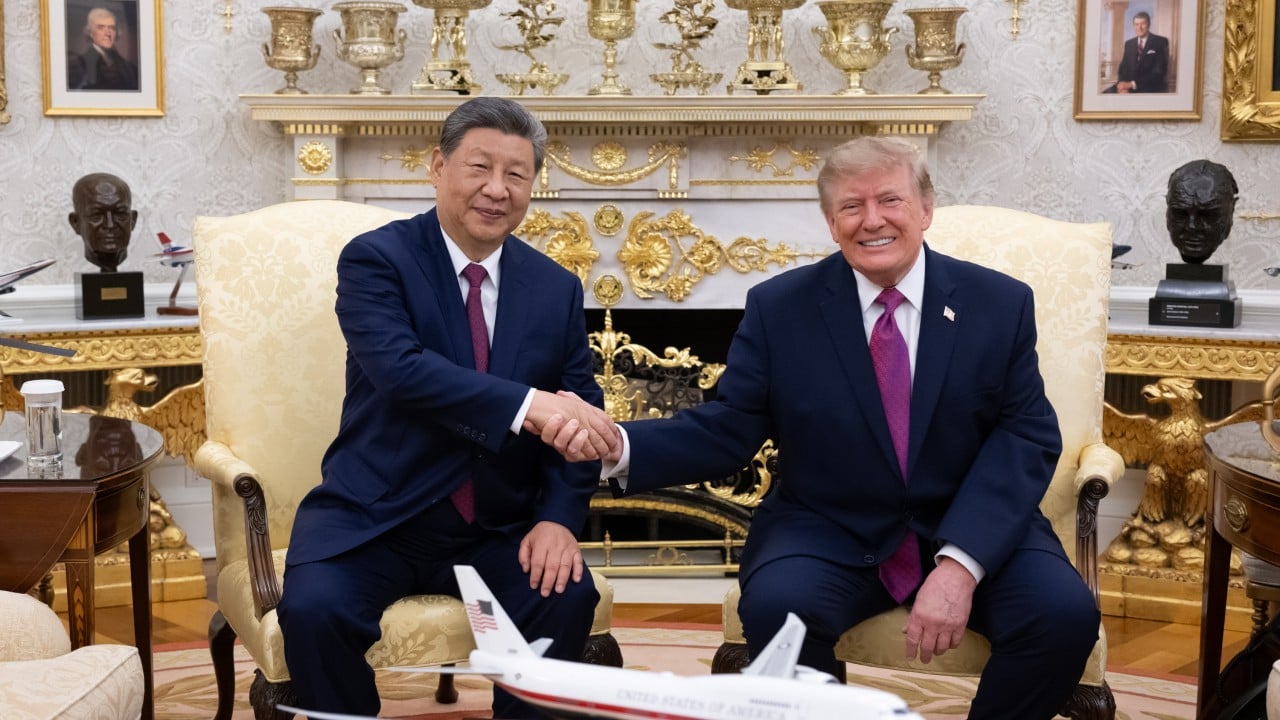
The recent US-China summit concluded with a limited outcome regarding trade matters: a two-month extension of the Kuala Lumpur trade truce, set to expire on January 10. This brief reprieve alleviates concerns of immediate tariff hikes and demonstrates that state diplomacy can still mitigate escalating conflict. However, the short duration highlights the significant differences in priorities between the two nations.
China has consistently demanded the removal of all punitive tariffs and restrictions imposed since 2018, emphasizing that no one benefits from a trade war. Even so, Beijing responded to the extension with goodwill, stating it provided both sides with time to assess implemented agreements and establish stable conditions for businesses.
The US perspective, on the other hand, framed the two-month extension as a compliance review, criticizing China for not fully fulfilling its commitments. US officials, including Treasury Secretary Scott Bessent, did not celebrate the pause, instead emphasizing the obstacles that remain before any longer truce can be agreed upon.
This framing indicates that the window is less about creating breakthrough conditions and more about serving domestic political needs while positioning the US for a potential tougher stance after the midterm elections. The subtext is familiar: the truce is a tool for the US to grant or withdraw, with China playing the role of the reluctant performer, and any extension being a concession rather than a mutual interest.
This approach is politically advantageous during an election season and a strategic lever in negotiations, but it inaccurately characterizes the root cause of the supply-chain dispute.
Rare earths are at the heart of the US's justification for its actions. China argues that it manages dual-use items lawfully, approves compliant civilian applications, and is committed to ensuring global critical-mineral supply-chain stability. However, the US claims that rare earth exports have not rebounded quickly enough, underestimating the self-inflicted nature of the friction.
In August, China exported 512 tonnes of rare earth magnets to the United States, a 13% decrease year on year and 20% lower than the previous month. The same administration that emphasizes smoother trade flows has maintained pressure through tariffs, export controls, expanded Section 301 actions, and treated China's semiconductor, battery, and clean energy production as a threat.
When a supplier also faces systematic containment, reduced deliveries are the expected outcome. If the US expects China to meet its rare earth supply demands, Beijing will likely demand that Washington lift restrictions on advanced semiconductors and artificial intelligence technology.
For a substantive resolution of rare earth and technology restrictions, an equitable package deal is necessary, not a one-sided agreement. Beyond the rare earth dispute, the two-month trade truce extension serves US President Donald Trump's domestic political goals. By portraying the brief reprieve as evidence of US strength, with Washington holding China at bay, Trump taps into his familiar playbook of presenting himself as a negotiator with the upper hand.
This strategy aims to portray himself as holding all the cards while the election approaches on November 3. The short extension avoids any challenging decisions during an election year when the administration faces voter anxiety over inflation. The two months are sufficient to claim progress while avoiding further tariff increases or trade war escalation.
The pause is not peace in either conflict but a holding pattern until domestic political turbulence subsides. The two-month extension is a microcosm of the broader US-China economic relationship. Washington views the truce as a tactical pause that buys time to bolster domestic support while gearing up to extract concessions from China through trade truce extensions.
This strategy is not new; former US President Joe Biden campaigned on scrapping Trump's punitive tariffs but maintained them as a bargaining chip in office. The broader lesson is that a trade truce alone cannot establish lasting stability. As long as the US continues its current approach toward China, a cycle of crisis and managed de-escalation will persist.
For Beijing, the prudent response is not to pursue an extension for its own sake but to tie any extension to concrete US moves, such as eliminating punitive tariffs and easing technology controls. In return, China can grant approvals for verified civilian rare earth and magnet orders while maintaining national security safeguards as a negotiated position.
Written by urgent.news from Reuters Business via SCMP's reporting — not their text. Machine-written — may contain errors; check the original before relying on it.