SF Fed president: AI demand could extend energy shock
Some companies are preparing for an AI-fueled chip squeeze that could push up prices far beyond the data center boom alone, Mary Daly, president of the Federal Reserve Bank of San Francisco, tells Axios. Why it matters: The Fed can usually look through supply shocks that come and go. Daly's concern is that AI, tariffs and higher energy costs could last longer than expected or compound each other…
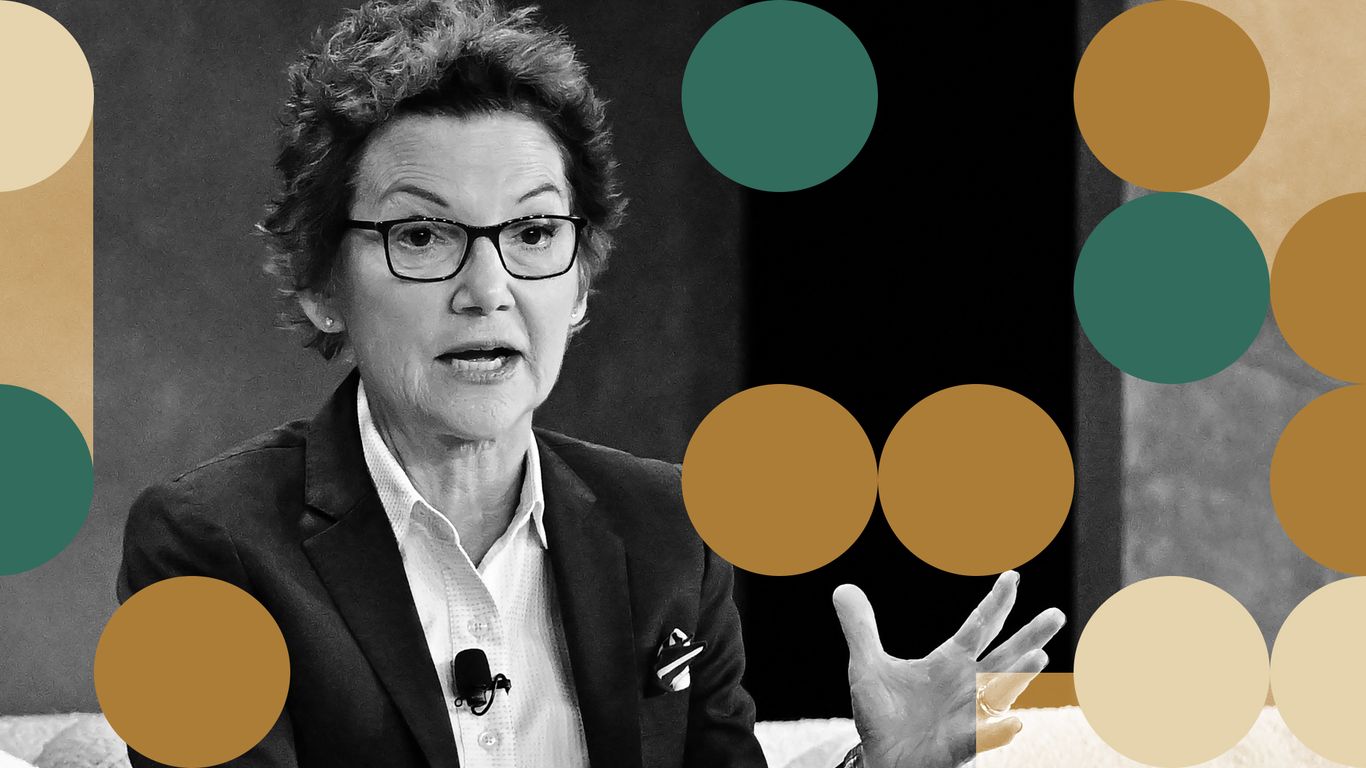
San Francisco Federal Reserve President Mary Daly warns that the demand for artificial intelligence (AI) could prolong the energy crisis, according to recent reports. Daly explains that companies are preparing for an AI-fueled chip shortage that could drive prices up beyond just the data center boom. She emphasizes that the Federal Reserve typically expects such shocks to fade within a year to three years, but AI, tariffs, and higher energy costs might last longer or even compound each other, keeping inflation elevated and necessitating further tightening measures.
Daly notes that AI demand could extend beyond high-end chips before supply catches up, extending the shock beyond the typical timeframe the Fed anticipates. Companies in her district, including Silicon Valley, are starting to brace for tighter chip supplies, indicating that the AI boom is altering purchasing and product-design decisions outside of the data center sector.
Some firms are even seeking forward contracts for memory chips to ensure a steady supply, signifying a concern that AI-related supply chain issues might spread beyond the tech industry.
The risk, according to Daly, lies in the AI hardware scramble competing with chips used in other products like cars and appliances, potentially rekindling past bottlenecks that led to higher prices post-pandemic. She warns that if AI-specific equipment demand spills into the broader semiconductor market, it could raise costs for companies with little connection to data centers.
The Fed could face an awkward situation as AI-driven price pressures spread, given that the companies driving the boom are among the least sensitive to higher interest rates. Daly acknowledges that while hyperscalers are not very sensitive to higher interest rates, other companies investing in AI might be more affected by borrowing costs, potentially restraining the broader economy and inflation outlook.
Despite this, Daly reaffirms her support for the recent interest rate hike, emphasizing her focus on the Fed's policy committee's continued monitoring of labor market conditions.
Written by urgent.news from Axios's reporting — not their text. Machine-written — may contain errors; check the original before relying on it.