Rebel AAP MLA’s poser on ‘education revolution’ in Punjab: a reality check
AAP has since made school education a central part of its political identity. Its initiatives include the Schools of Eminence scheme, teacher training, foundational-learning programmes, and larger parent-teacher meetings.
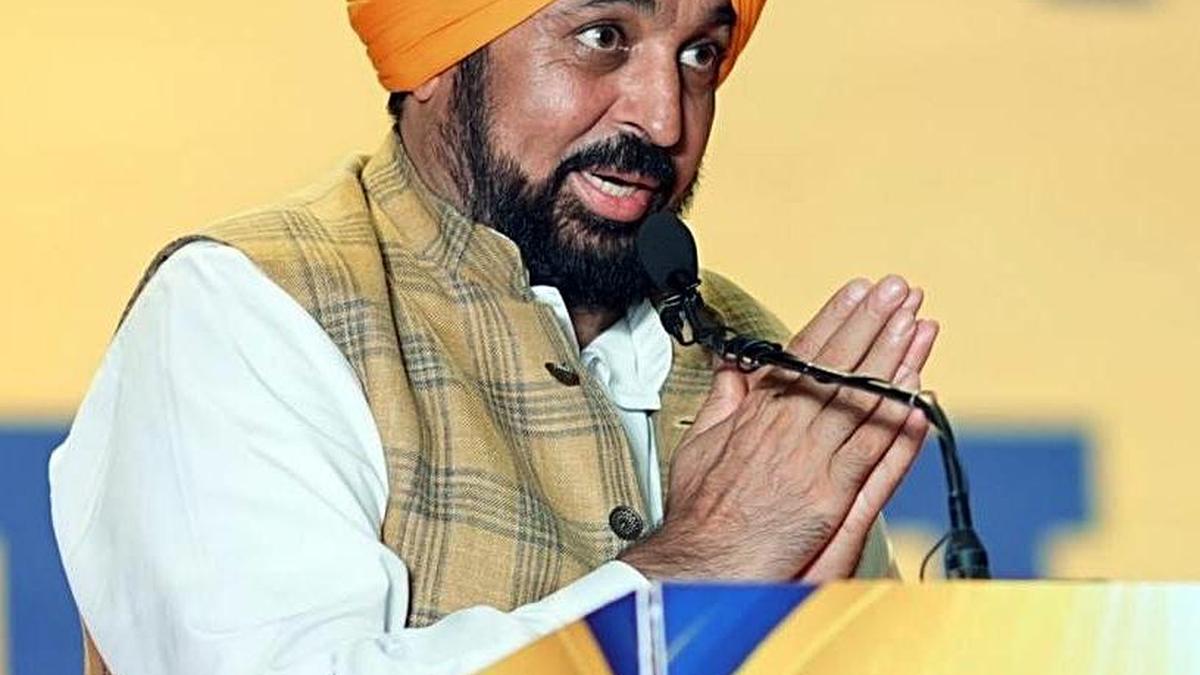
When Aam Aadmi Party (AAP) MLA Sukhveer Singh Maiserkhana accused government schools in his Maur constituency of teacher shortages, his allegations prompted a suspension for alleged "anti-party activities and indiscipline". The Opposition used this incident to question the AAP-led government's education record. However, a deeper question remains: what impact has Punjab's touted education revolution had on its classrooms?
Punjab's performance has been recognized by NITI Aayog's School Education System in India report, placing the state among the top performers. The government attributed this to successful reforms. However, the report's findings are based on various datasets, including PARAKH Rashtriya Sarvekshan 2024, UDISE+ and ASER, and it should not be considered a direct comparison to previous records.
Even before the AAP took office in 2022, Punjab had been performing well, holding the highest numerical score in the Performance Grading Index for 2019-20. Since then, the party has focused on education, introducing schemes like the Schools of Eminence, teacher training programs and parent-teacher meetings. These initiatives have been well-publicized, with 118 schools upgraded by March 2025, and teachers trained abroad.
Despite these efforts, the critical question remains whether these changes have led to sustained improvements in classroom teaching and learning. Upgraded buildings, trained teachers, and increased parent involvement are important, but they must translate into actual classroom improvements. The issue is not just the number of schools selected or teachers trained, but whether these interventions have made a real difference.
There are still significant staffing challenges in Punjab. The Comptroller and Auditor General's audit found 7,876 vacancies in school education against 55,871 sanctioned posts as of March 2023. At the Lecturer or Post Graduate Teacher level, 4,403 of 13,904 posts remained unfilled. The current vacancy situation, as reported by the Education Minister, stands at 31,370 teacher posts across cadres.
While these staffing shortages do not erase Punjab's learning gains, they highlight the ongoing challenges in the system. A State-level assessment shows that the proportion of schools with an adverse pupil-teacher ratio increased from 18.6% in 2023-24 to 19.9% in 2024-25. The ASER 2024 also reported that 34.2% of Class 3 children in rural Punjab could read a Class 2-level text, while 51.1% could solve subtraction problems.
In summary, Punjab's education revolution has undoubtedly brought about changes, but the real question is whether these changes have led to tangible improvements in classrooms. Addressing the ongoing staffing issues is crucial to ensuring that the state's education system delivers on its promise.
Written by urgent.news from The Hindu's reporting — not their text. Machine-written — may contain errors; check the original before relying on it.