Pulses prices surge: Will cheaper imports bring relief to consumers? Stakeholders divided
India currently imposes a 10% import duty on red lentils and chickpeas, while yellow peas attract a 30% duty.
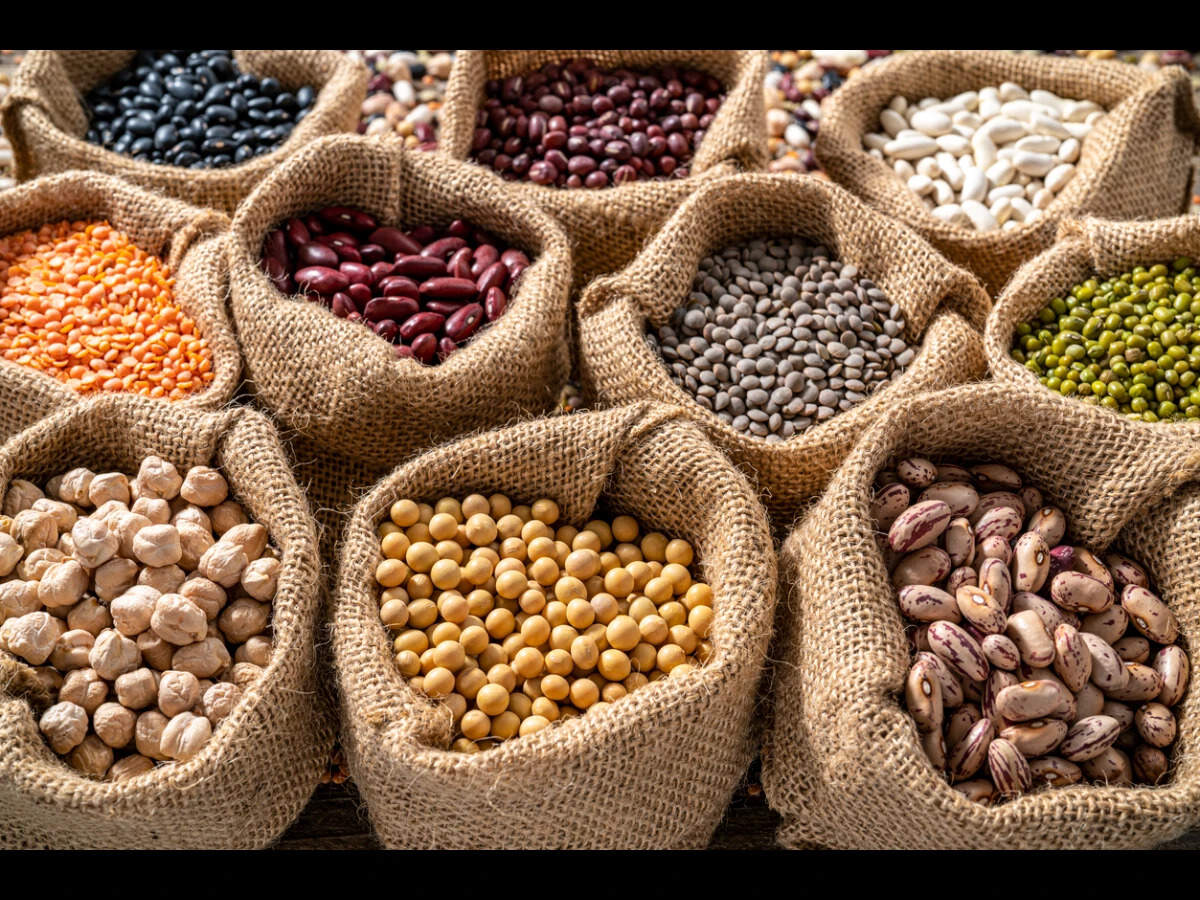
The prices of major pulses in India have surged by up to 11% recently, raising concerns over food inflation and consumer relief. Key factors contributing to the price hike include El Niño-induced drought, disrupted global yellow pea supplies, and the weakening rupee. India imports about 6-7 million tonnes of pulses annually, accounting for 18-20% of its consumption, with import expenditure at $3.63 billion.
Duties on red lentils and chickpeas stand at 10%, while yellow peas face a 30% duty. Imports are currently duty-free for pigeon peas and black gram until 2027.
Industry experts remain divided on whether cheaper imports will benefit consumers. Bimal Kothari, Chairman of the Indian Pulses and Grains Association, suggests that while drought and disrupted yellow pea supplies have contributed to the price rise, there is no immediate supply crisis. He opposes an immediate cut in import duties, arguing that it would primarily benefit exporters.
Shashi Singh, a PwC India partner, believes the market is more concerned with future supply uncertainty than current scarcity. Ramesh Chand, a former NITI Aayog member, warns of a possible production shortfall due to rainfall deficiency in key pulse-producing states, which could further impact prices.
Written by urgent.news from The Economic Times - Economy's reporting — not their text. Machine-written — may contain errors; check the original before relying on it.