Preventing grievances from becoming communal
by Jehan Perera The death sentence on Sivarasa Anojan, a Sri Lankan citizen convicted of blasphemy in Saudi Arabia has taken a central place in national consciousness for the past several weeks. It has been in the headline news since it was first reported last month. There have been many initiatives taken locally to get […]
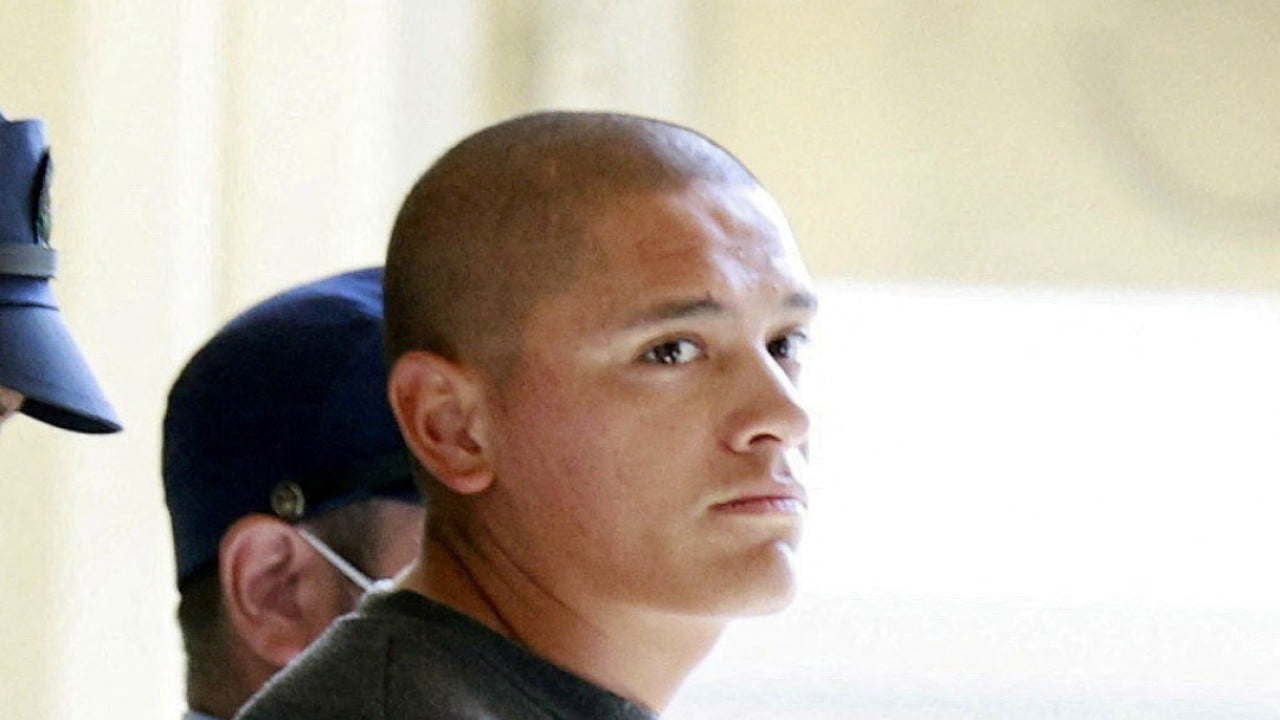
The sentencing of Sivarasa Anojan, a Sri Lankan citizen convicted of blasphemy in Saudi Arabia, has dominated national discourse for weeks. Since it was first reported last month, the story has appeared in the headlines, with numerous local efforts made to secure a more lenient penalty. However, a growing sentiment criticizes both the culture and religion behind the harsh ruling, fueling extensive media coverage.
Contrastingly, the contentious removal of the Thileepan statue in Jaffna has not made a significant impact on the national consciousness. While the incident garnered some mention in the media, it has been overshadowed by other events. In the north, east, and among the Sri Lankan diaspora, though, the statue's removal has become a major issue, sparking protest marches, condemnation from civil society and political groups.
To ensure harmony within a multi-ethnic, multi-religious society like Sri Lanka, the response to events that touch on identities and grievances is crucial. In the case of Anojan, a young Tamil migrant worker, the sentence of death for his Facebook comment has garnered public support in Sri Lanka. Appeals for mercy have reached the President, government and opposition leaders, clergy from various faiths, and Muslim political leaders.
Nevertheless, it is essential to avoid turning the case into a catalyst for anti-Muslim sentiment or collective blame.
Peacebuilding efforts should occur both domestically and diplomatically, with religious leaders and civil society ready to counteract rumors and maintain unity. For the Thileepan statue, the controversy has taken a different path. Many Tamils revere Thileepan, the LTTE name of Rasaiah Parthipan, who died on September 26, 1987, after fasting for twelve days.
His demands were directed at India but also addressed matters concerning the Sri Lankan government, such as the release of detainees under the Prevention of Terrorism Act. The statue erected during the commemoration was removed by police a day after the event ended. The government's concern was the LTTE's status as a proscribed organization, but the depth of Tamil anguish regarding remembrance of Thileepan cannot be overlooked.
The Office for Reparations Act, No. 34 of 2018, allows for collective reparations and includes the role of the Office for Reparations in memorialization policies.
The real test of unity in a diverse society is how communities respond when an event affects their identities and grievances. The death sentence on Anojan and the removal of the Thileepan statue present the risk of becoming grievances for entire communities. In Anojan's case, sympathy for the young Tamil migrant worker has grown in Sri Lanka.
Public appeals for clemency have come from the President, government and opposition leaders, clergy of various faiths, and Muslim political leaders. Yet, it is vital to reject attempts to frame the case as a source of anti-Muslim sentiment or collective blame. Peacebuilding must occur within Sri Lanka as well as in diplomatic channels, with religious and civil society leaders standing together publicly.
Written by urgent.news from The Island Sri Lanka's reporting — not their text. Machine-written — may contain errors; check the original before relying on it.