Palm extend gains for second session on firmer crude, weak ringgit
KUALA LUMPUR: Malaysian palm oil futures extended gains for a second straight session on Tuesday, buoyed by firmer crude oil prices and a weaker ringgit, though softer Chicago soyoil capped the gains.
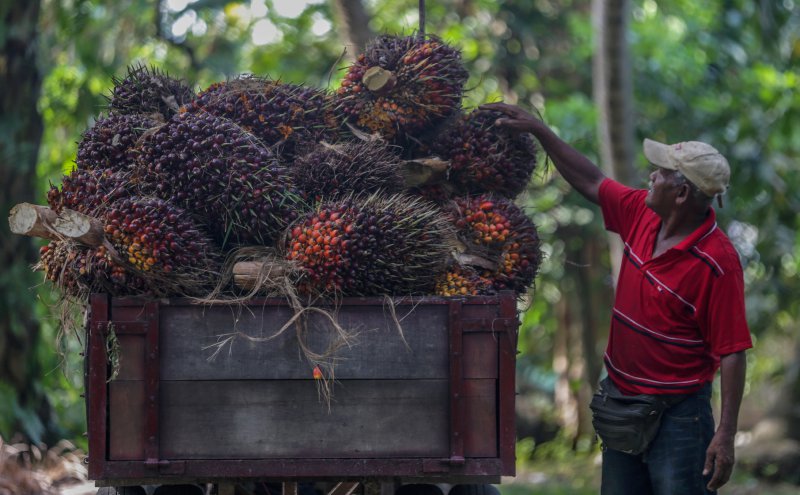
Malaysian palm oil futures saw a second consecutive day of gains on Tuesday, driven by stronger crude oil prices and a weaker ringgit, although softer Chicago soyoil prices tempered the gains. The December delivery benchmark for palm oil on the Bursa Malaysia Derivatives Exchange rose by 0.26 percent to RM4,590 (US$1,123.49) a metric ton.
Brent crude oil prices increased by 0.5 percent to US$100.83 a barrel. Palm oil is considered a more attractive feedstock for biodiesel when crude oil prices are higher. Soyoil prices on the Chicago Board of Trade were down 0.1 percent. The Dalian Commodity Exchange will be closed for a public holiday and is set to reopen on October 8.
Palm oil moves in tandem with prices of other edible oils as it competes for market share. The Malaysian currency weakened by 0.02 percent against the dollar, making palm oil relatively cheaper for foreign buyers. Indian sunflower oil imports dropped to their lowest level in over four years in September due to disrupted shipments from Ukraine, leading refiners to buy more palm oil, up to the highest level in seven months.
Malaysia's palm oil inventories are projected to hit an all-time high in September, surpassing the December 2018 peak, as production reached record levels while export demand remained sluggish, according to a Reuters survey. Palm oil may continue its upward trend and could range between RM4,656 and RM4,677 per metric ton, as indicated by its wave pattern and a channel technique, according to Reuters technical analyst Wang Tao.
Asian stocks climbed on Tuesday following a tech-driven rally that pushed the Nasdaq to a record high, with a decline in oil prices providing additional support despite Treasury yields remaining near record highs.
Written by urgent.news from New Straits Times's reporting — not their text. Machine-written — may contain errors; check the original before relying on it.