Newborn circumcision is not linked to autism, large U.S. study finds
Public claims have linked newborn circumcision and the pain reliever acetaminophen to autism. A new study of nearly 2,800 boys found no link between circumcision and autism, and acetaminophen was rarely given to the infants.
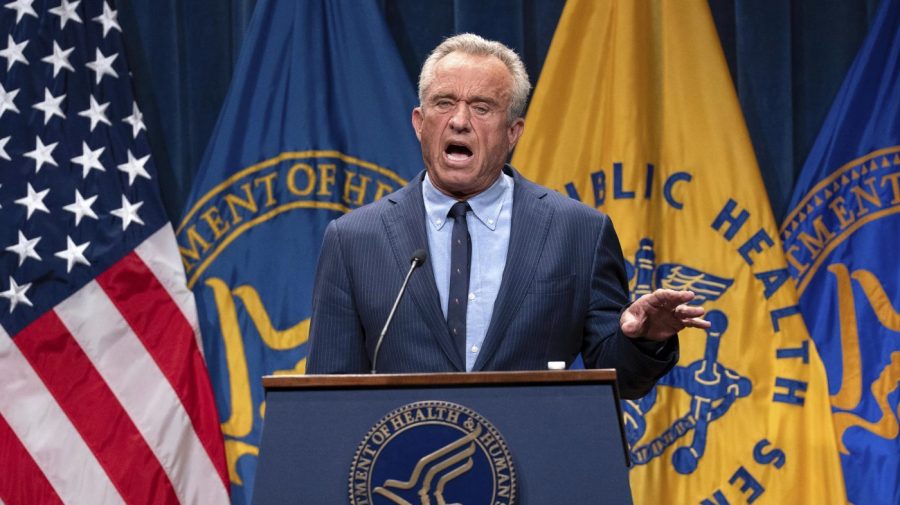
A large-scale study conducted in the United States has found no connection between newborn infant circumcision and the development of autism spectrum disorder (ASD). The research, published in JAMA Pediatrics, aimed to address concerns raised by public speculation, including comments made by Health and Human Services Secretary Robert F. Kennedy Jr. in October 2025, which led to renewed media interest in the topic.
ASD is a neurodevelopmental condition characterized by difficulties in social interaction and communication, as well as repetitive behaviors and sensory sensitivities. The prevalence of autism diagnoses has risen steadily over recent decades, with a significant increase observed in recent years. However, experts are still debating whether this rise is due to genuine increases in the condition or improved awareness and changes in diagnostic criteria.
Neonatal circumcision, the surgical removal of the foreskin covering the penis tip shortly after birth, is a common procedure in U.S. hospitals, performed on approximately half of newborn boys. This practice has been the subject of debate, as some have speculated that the physical stress of the procedure or the acetaminophen (Tylenol) used for pain relief might contribute to the development of ASD.
To investigate this potential link, researchers led by Monica McGrath, a public health epidemiologist at Johns Hopkins Bloomberg School of Public Health, analyzed data from the Environmental Influences on Child Health Outcomes project. The study included 2,771 male children from 14 research sites across the United States, all born as singletons (not twins or triplets).
To minimize bias, the researchers randomly selected one child from families with multiple participants to ensure that shared family environments did not skew the data.
The study focused on two key factors: circumcision status and the diagnosis or behavioral indicators of ASD. Out of the 2,771 boys, 1,840 were circumcised before discharge from the hospital, accounting for 66 percent of the sample. The remaining 931 boys did not undergo the procedure. Among the study participants, 192 children received an ASD diagnosis, representing about 7 percent of the group.
When comparing the two groups—circumcised and uncircumcised boys—the researchers found that 6 percent of the circumcised boys had an ASD diagnosis, while 9 percent of the uncircumcised boys did. This translates to a slightly lower incidence of ASD among circumcised boys. Importantly, the difference was not statistically significant, meaning that the observed variation could be due to chance rather than a true causal relationship.
The researchers also examined broader behavioral traits using two standardized questionnaires completed by parents, the Social Responsiveness Scale and the Child Behavior Checklist. These tools measured social impairments, emotional, and behavioral issues, including aspects associated with ASD. The findings from these questionnaires further supported the conclusion that there is no significant link between circumcision and autism.
Overall, the study provides reassurance to parents considering circumcision for their newborn sons. The researchers emphasized that the results do not indicate that circumcision causes autism but rather that the procedure does not appear to increase the risk of developing ASD. The findings contribute to a growing body of evidence that suggests environmental factors only play a minor role in autism development, with genetic predispositions believed to be a more significant contributing factor.
Written by urgent.news from PsyPost's reporting — not their text. Machine-written — may contain errors; check the original before relying on it.