N26 founder-backed Finmid raises €17M Series A extension, strikes Bolt deal
A Berlin-based fintech backed by one of the founders of German challenger bank N26 has raised a €17m Series A extension round and says it has sealed a deal with Estonian ride-hailing firm Bolt, which ...
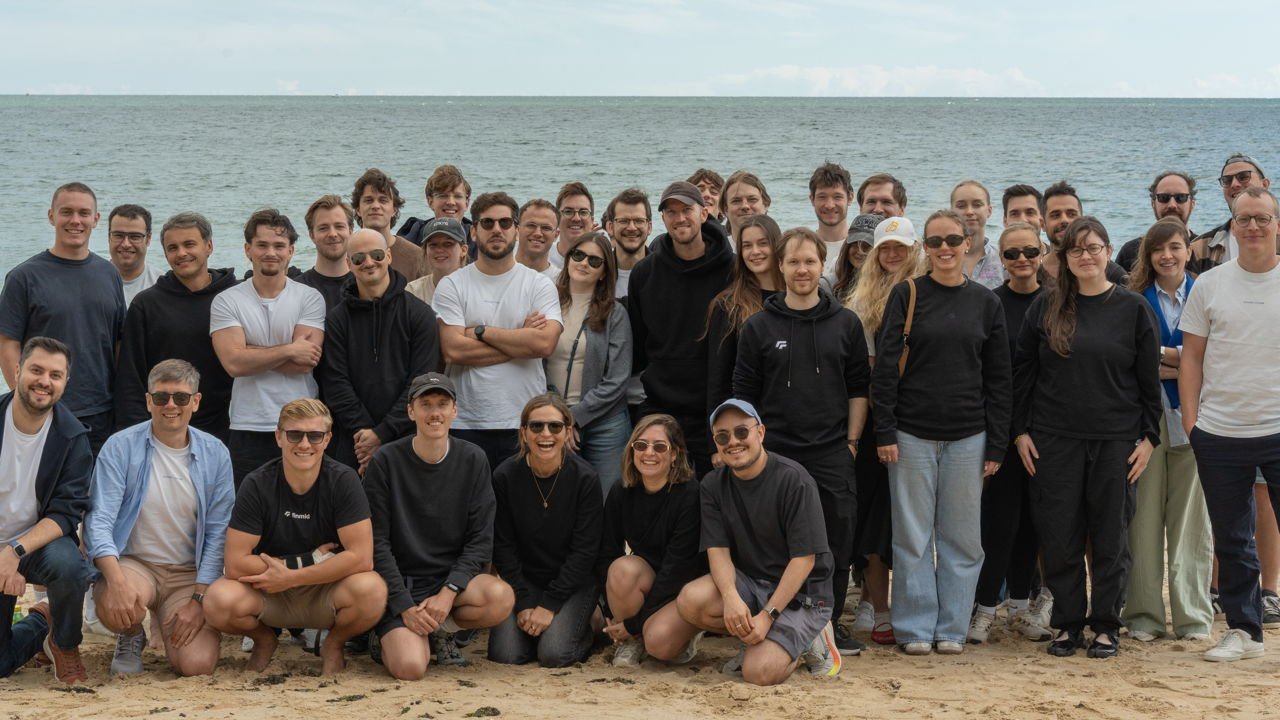
Finmid, a Berlin-based fintech startup co-founded by former N26 executives Alex Talkanista and Max Schertel, has secured a €17 million Series A extension round and announced a strategic partnership with Estonian ride-hailing company Bolt. Talkanista and Schertel, who were previously at N26, are now the founders of Finmid, which is backed by their former employer's co-founder, Max Tayenthal.
Finmid specializes in providing white-label lending services for its clients, allowing them to offer financing options to their customers without becoming a bank themselves. The company's latest funding round was led by Athens-based VC Big Pi Ventures and London VC Mainset, with participation from existing investor Earlybird and other investors such as Blossom Capital. Altogether, Finmid has raised €52 million in funding.
In addition to the new funding, Finmid has also struck a multi-year vehicle financing deal with Estonian ride-hailing firm Bolt. This partnership enables Bolt's fleet operators to access up to €400,000 over a period of four years to finance vehicles. Finmid has also formed a merchant lending partnership with Greek online marketplace Skroutz, broadening its product offerings to include merchant lending alongside its existing partnerships with mobility platforms Wolt and Delivery Hero.
The newly raised capital will be used by Finmid to further develop its asset-finance products, bolster its infrastructure and underwriting capabilities, and expand into new sectors such as mobility and e-commerce. Talkanista explained that Finmid's evolution from a simple restaurant cash advance to a multi-year vehicle loan and marketplace balance sheet showcases the platform's potential to become financing partners for various businesses without the need to establish a traditional banking presence.
Written by urgent.news from Tech.eu's reporting — not their text. Machine-written — may contain errors; check the original before relying on it.