Mpox is still spreading in the US — here's what to know about vaccines, symptoms and treatment
Mpox continues to circulate in many countries, including the United States. Here's what to know about the infection and the vaccines that protect against it.
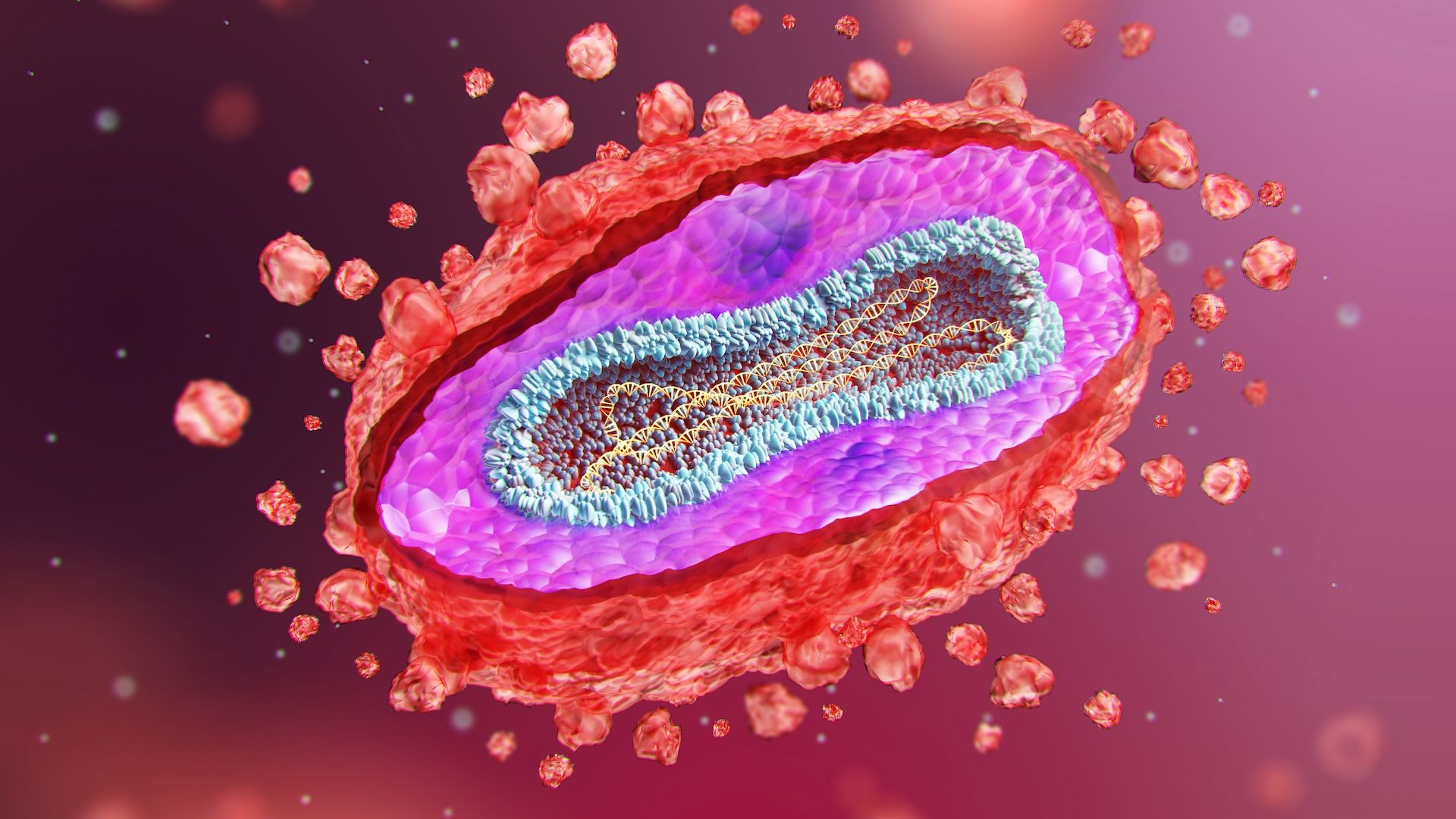
Mpox, formerly known as monkeypox, is a viral infection that is currently spreading at low levels in the United States, potentially becoming endemic. The disease is caused by a poxvirus similar to that of smallpox. The current outbreak is primarily affecting men who have sex with men, targeting specific sexual networks for vaccination efforts.
The JYNNEOS vaccine is used in the U.S. to prevent mpox. One dose has an effectiveness of 35% to 86%, while the two-dose series is 66% to 90% effective. It is not recommended for routine use in the general population, but is targeted for vulnerable groups such as men who have sex with men who have had multiple sex partners, sex at commercial venues, or those with other sexually transmitted diseases.
Nonbinary and transgender people with these risk factors, as well as sexual partners of those at risk, should also receive the two doses. Those who have recovered from mpox in the past do not need to be vaccinated.
The virus primarily spreads through close contact, including intimate sexual contact. It can also be transmitted from infected animals through bites, scratches, or contact with their bodily fluids during hunting, skinning, or cooking.
Written by urgent.news from Live Science's reporting — not their text. Machine-written — may contain errors; check the original before relying on it.