Moscow consultation moot informed: 4,700 Pakistanis killed in attacks originating from Afghanistan
ISLAMABAD: Pakistan has issued yet another strong warning over what it describes as the mounting terrorism threat emanating from Afghanistan, accusing the Taliban administration of allowing militant groups to operate from Afghan soil and saying that more than 4,700 Pakistanis have been killed in terrorist attacks originating from Afghanistan over the past three years. Pakistan called for…
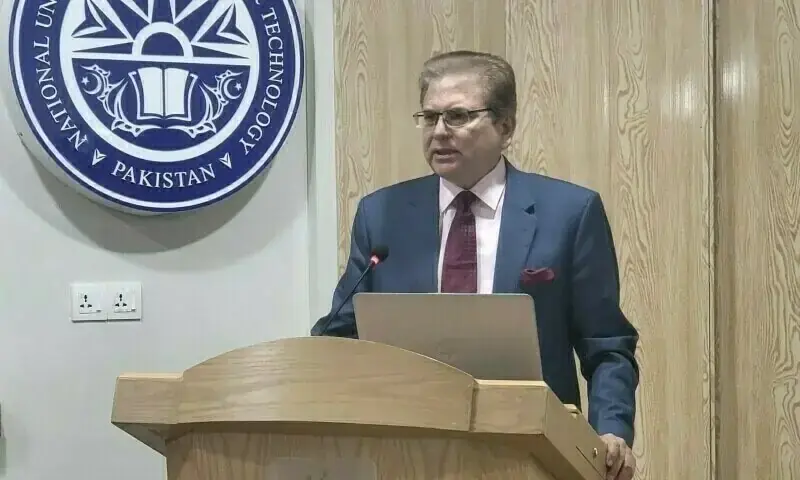
Pakistan has raised alarm over a surge in terrorist attacks originating from Afghanistan, attributing the blame to the Taliban administration's failure to curb militant activities on Afghan soil. Over the past three years, more than 4,700 Pakistanis have been killed in such assaults, according to Pakistan's Special Representative on Afghanistan, Mohammad Sadiq.
Sadiq made these remarks during the Eighth Moscow Format Consultations on Afghanistan in Moscow, where he detailed the deteriorating security situation in Afghanistan. He highlighted the roles of various militant groups, including Tehrik-i-Taliban Pakistan (TTP), Balochistan Liberation Army (BLA), East Turkestan Islamic Movement (ETIM), Islamic State Khorasan Province (ISKP) and Al-Qaeda and its affiliates.
Sadiq asserted that the Taliban administration has not taken effective or verifiable steps against these groups using Afghan territory for planning, financing, and executing attacks against Pakistan. The regional countries in Moscow, grappling with geopolitical tensions, instability in the Middle East, and volatility in global energy markets, emphasized that Afghanistan's unresolved security crisis extends far beyond its borders.
It poses threats such as cross-border terrorism, narcotics trafficking, illegal migration, and human smuggling. Pakistan expressed disappointment that its diplomatic and humanitarian support has not yielded improved security outcomes. Instead, cross-border terrorist attacks have continued to rise despite commitments from Afghan authorities.
Sadiq also linked Afghanistan's security crisis to broader political and humanitarian challenges, including the lack of inclusive governance, restrictions on women's rights, and girls' access to education. The statement underscored severe issues like food insecurity, water scarcity, and recurring climate-related disasters affecting the Afghan population, warning that these problems could exacerbate regional instability if left unaddressed.
Pakistan stressed that its counter-terrorism measures are intelligence-led, defensive, and precise, reserving the right to self-defense under international law. The country urged all participating nations in the Moscow Format to adopt a unified regional stance and compel the Afghan authorities to honor their international obligations, prevent their territory from being used for terrorism, and implement effective measures to mitigate Afghanistan's destabilizing impact on neighboring countries.
Written by urgent.news from Business Recorder's reporting — not their text. Machine-written — may contain errors; check the original before relying on it.